
Helicopter tours over the Hawaiian islands
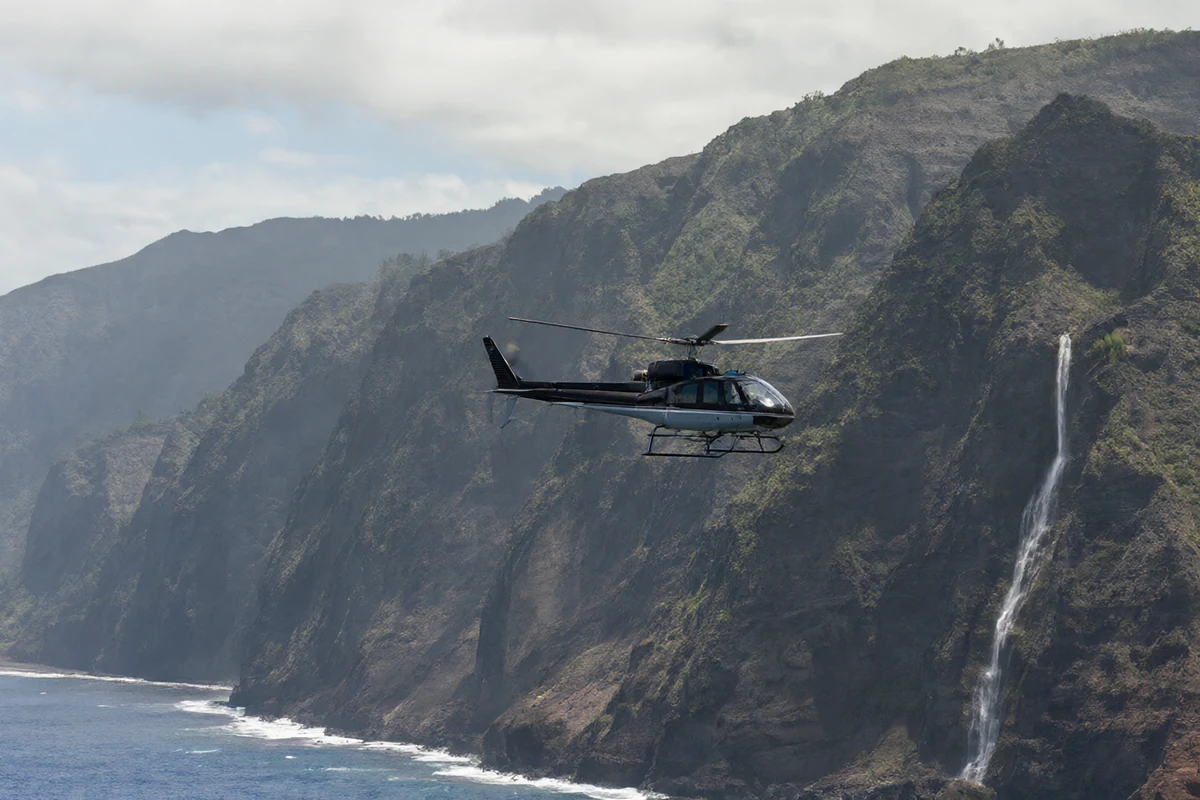
Some of Hawaii's finest scenery simply cannot be reached on foot or by road. Deep valleys, hidden waterfalls, active craters and jagged coastlines open up from the air in a way that no ground tour can match. A helicopter flight is one of the most memorable experiences the islands offer, but it is also the most weather dependent and the one that asks for a little homework. This guide explains what a flight involves, how to choose a route, and how to make the most of it.
Why fly
From the air you see the shape of the islands, the ridges and valleys, the lava fields and the reefs that fringe the coast. Ground tours show you a single beach or a single valley; a flight shows you how everything connects.
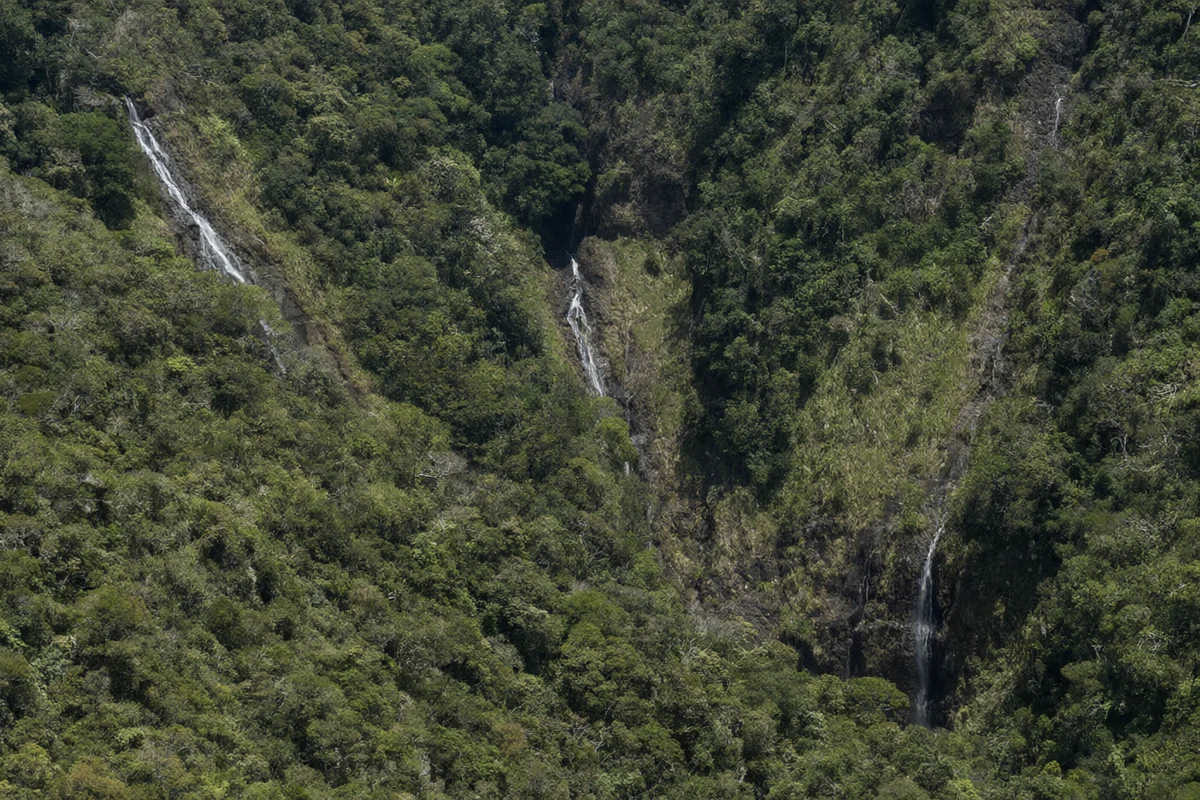
The most spectacular sights are often the least accessible. Waterfalls drop into valleys with no road, craters steam in the interior, and coastlines rise in cliffs that no path crosses. A helicopter reaches all of them in a single hour.
Flights also suit travellers with limited time. A one hour flight can cover more of an island than several days of driving, which makes it a good choice for a short visit or for anyone who wants an overview before exploring on the ground.
The routes you can choose
Most operators offer a range of routes, from short flights over a single coastline to longer trips that cross a whole island or take in an active volcano. Shorter flights are cheaper and easier to fit into a busy trip; longer ones reach the remote interiors.
On the Big Island, flights often focus on the volcanoes and the dramatic northern valleys. On Kauai, the draw is the immense canyon and the towering Na Pali coast. On Maui, routes thread between the two mountains and over rainforest waterfalls.
Doors on or doors off is another choice. Flights with the doors removed give the clearest photographs and the strongest sense of the open air, but they are colder, windier and not for everyone. Ask what the flight includes before you book.
Choosing an operator
Safety should guide your choice more than price. Look for operators with a solid reputation, well maintained aircraft and clear briefing procedures, and read what past passengers say about how the crew handled the day.
Ask about group size and seating. Some flights guarantee a window seat, while others rotate passengers in flight so that everyone gets a view. If photography matters to you, confirm how the seating works before you pay.
Weather cancellations are common in the islands, so a flexible booking and a spare day in your itinerary are invaluable. Good operators will rebook you or refund promptly when a flight cannot go ahead safely.
| Flight | Best for | Typical length | Note |
|---|---|---|---|
| Coastal flight | First time flyers | 30 to 45 minutes | Lower cost, big views |
| Volcano flight | Big Island visitors | 1 to 2 hours | Weather dependent |
| Valley and waterfall | Photographers | 1 hour | Remote interiors |
| Whole island | Short visits | 1 to 2 hours | Best overview |
| Doors off | Adventurous flyers | 45 minutes | Colder, windier, clearer |
Weather, timing and comfort
Flights go ahead only when conditions allow, and the islands create their own weather. Morning departures usually offer the calmest air and the clearest light, so an early slot is often the best choice if you have one.
If you are prone to motion sickness, mention it when you book and take the usual precautions before you fly. A light meal, a window view of the horizon and, if recommended, travel sickness medication can make a big difference.
Dress for the air rather than the beach. Even on a warm day the temperature drops with altitude and the wind through an open door is cool, so a jacket and secure footwear are sensible, and loose items should be left behind.
Safety and the environment
A good briefing covers the aircraft, the doors, the seatbelts and what to do in an emergency, and it should never be rushed. Listen carefully, ask questions if anything is unclear, and follow the crew's instructions at every stage.
Flights are regulated to protect residents and wildlife from noise and disturbance, and some areas are flown at height or avoided altogether. Operators who respect these rules help keep the islands peaceful for the people who live there.
Keep your hands, cameras and phones inside the aircraft at all times, and secure loose items before take off. A dropped object can be dangerous, and the best photographs come from steadiness rather than stretching out of the cabin.
Getting the most from your flight
Tell the pilot what you most want to see, whether that is a volcano, a waterfall or a particular coastline. Many crews will adjust the route slightly if they know what matters to you and the weather permits.
Bring a camera with a fast shutter and a spare battery, and set it up before take off rather than fumbling in the air. Shoot through the window if the doors are on, keep the lens close to the glass, and avoid resting it against vibrating surfaces.
Finally, put the camera down for a while. The view from a helicopter is one of the great experiences of a Hawaii trip, and a few minutes of simply looking will stay with you longer than any photograph.
- Book an early morning flight for the calmest air and clearest light.
- Confirm whether a window seat is guaranteed before you pay.
- Keep a spare day free, as weather cancellations are common.
- Dress warmly and leave loose items behind before you board.
- Follow every instruction from the crew without exception.
- Set up your camera early, but put it down now and then to look.
A helicopter flight is the fastest way to understand just how dramatic these islands are. Choose a route that suits your interests, respect the weather and the rules, and the hour in the air will be among the highlights of your whole trip.
Read next
Boat trips and catamaran cruises in Hawaii
Sailing, snorkelling trips and whale watching, and how to pick a good day on the water.
Guided island day tours and packages
When a guided tour is worth it, how packages work and what to check before booking.
Hawaiian luau and cultural shows
What happens at a luau, how to choose one and how to enjoy it respectfully.