
Surf lessons and water sports in Hawaii
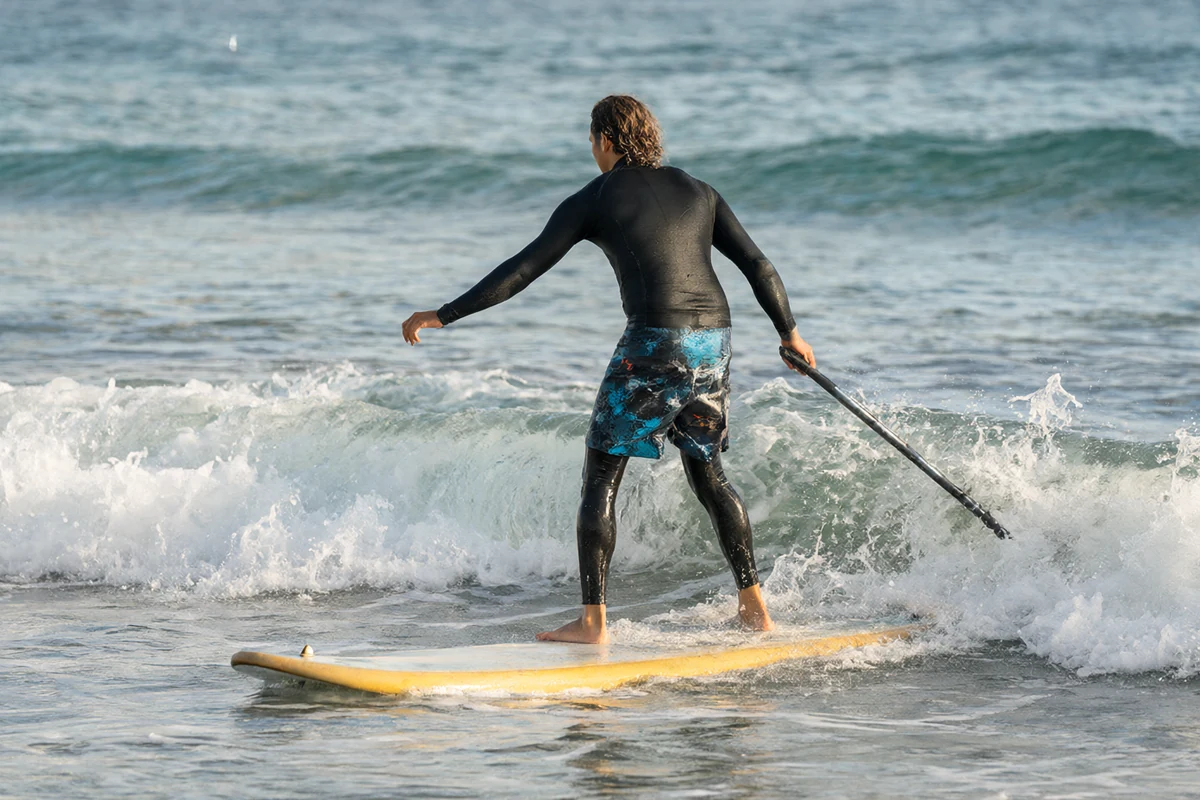
Hawaii is where modern surfing was born, and the water here offers something for every level of ability and nerve. Beginners can stand up on gentle waves in a supervised lesson, while experienced surfers chase the powerful swells of the north shore. Between those extremes lie paddle boarding, kayaking, windsurfing and more. This guide looks at the main water sports and how to start each one safely.
Learning to surf
Group lessons are the standard introduction, and most are held in the calm, forgiving waves of a sheltered bay. An instructor explains the board, the pop up and the safety basics, then helps you catch your first small waves.
Waikiki is famous as a place to learn precisely because its waves are gentle and the water is shallow. Many people stand up on their first day, and the feeling of riding even a small wave is the reason so many visitors come back to try again.
Lessons usually last a couple of hours and include the board and often a rash guard. Choose a school with small groups and qualified instructors, and be honest about your swimming ability so you are paired with the right conditions.
Getting better as a surfer
Once you can stand up, progress comes from time in the water and good coaching. Repeat lessons or a few private sessions help you read waves, turn the board and choose better positions in the lineup.
Renting a board between lessons allows you to practise on your own, but choose a gentle break and stay within your ability. The famous big wave spots are for expert surfers only and can be dangerous for anyone else.
Respect the local lineup. Surfing has its own etiquette, and knowing who has priority on a wave, and staying out of the way, keeps everyone safe and welcome.
Paddle boarding and kayaking
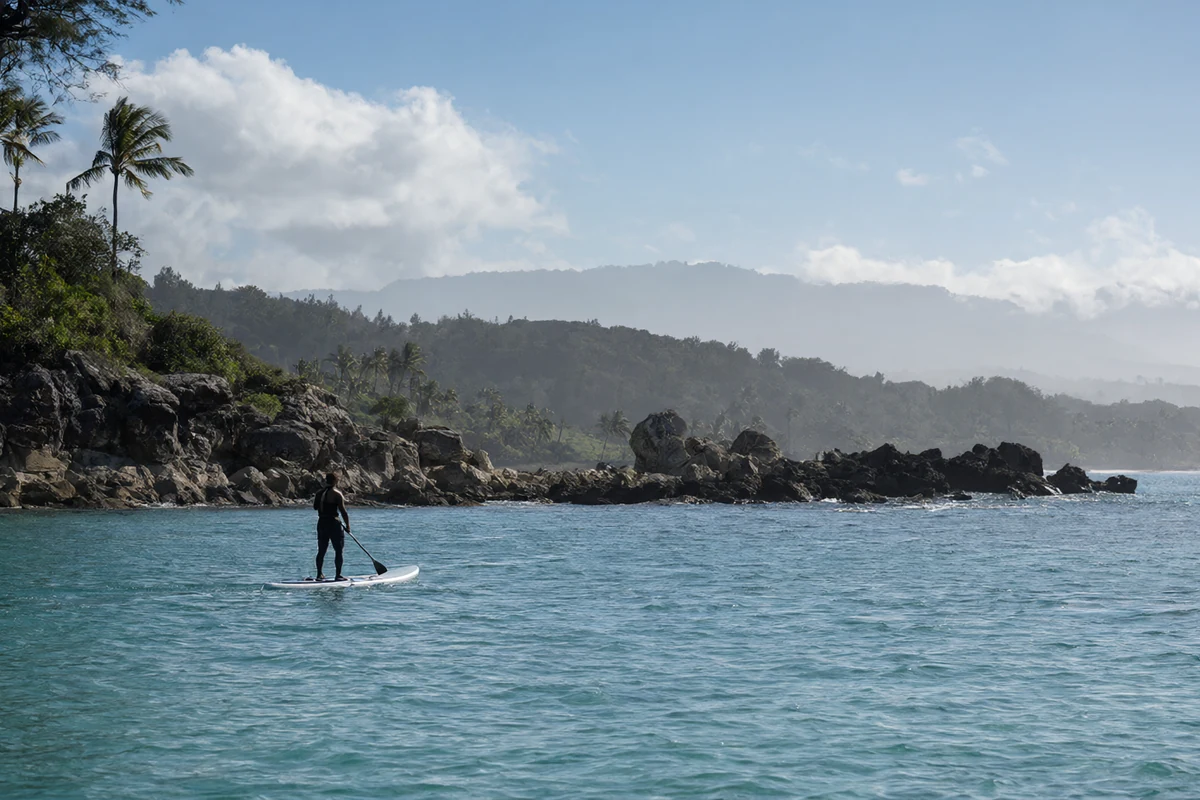
Stand up paddle boarding is a gentler way to get on the water and works well on calm, sheltered coasts. Beginners can start on their knees and stand once they feel balanced, and the sport is easy to pick up in flat water.
Kayaking opens up coastlines and rivers that boats cannot reach, and guided trips take paddlers into sea caves and quiet bays. Tandem kayaks are a good option for families, though a little coordination helps.
Both sports depend on the wind, so plan around the morning calm where possible. An offshore breeze can turn an easy paddle home into hard work, so check the forecast before you set out.
| Activity | Difficulty | Best for | Note |
|---|---|---|---|
| Surf lesson | Beginner | First timers | Gentle, supervised waves |
| Surfing alone | Intermediate | Confident swimmers | Know the etiquette |
| Paddle boarding | Beginner | Calm water, families | Watch the wind |
| Kayaking | Beginner | Exploring coasts | Guided trips available |
| Windsurfing | Advanced | Windy spots | Take a proper course |
Other ways to be on the water
Windsurfing and kitesurfing take advantage of the reliable trade winds and are popular at the breezier spots. They have a steeper learning curve than paddle sports and are best learned through a proper course.
Snorkelling, sailing and bodyboarding round out the options and need less skill than surfing. Boogie boards in particular are a fun and inexpensive way for children and adults to enjoy the surf in a controlled way.
Whatever you choose, local operators rent gear, run lessons and know which spots suit which conditions. Using their knowledge is the fastest and safest route to a good day on the water.
Staying safe in the surf
The ocean is the great teacher and the greatest risk. Learn to recognise rip currents, never surf or paddle alone in unfamiliar water, and watch where local people swim before you commit.
Wear a leash when you surf, protect your head when you fall, and keep your board away from other people. The board is the most common cause of injury in crowded surf, so control it at all times.
Respect the reef. Shallow coral cuts are painful and slow to heal, so keep your feet off it, stand up only where the sand is clear, and never let a wave push you onto rocks or reef if you can avoid it.
What to bring and how to book
Bring a swimsuit, a towel, reef safe sun protection and water. A rash guard reduces sunburn and chafing during long sessions, and a dry bag keeps your phone and keys safe while you are in the water.
Book lessons in advance during busy periods, especially in the popular beginner bays. Morning sessions usually offer the calmest water and the smallest crowds, which makes learning easier for everyone.
- Take a lesson with a qualified instructor before surfing on your own.
- Be honest about your swimming ability when you book.
- Wear a leash and always keep control of your surfboard.
- Check the wind and forecast before paddling or kayaking.
- Keep off the reef to avoid cuts and to protect the coral.
- Learn the local surfing etiquette and respect the lineup.
Hawaii gives you the chance to learn the sport where it began. Start with a lesson in calm water, respect the ocean and the people who surf it, and a single broken wave can become the memory you carry home from the trip.
Read next
Helicopter tours over the Hawaiian islands
What to expect from a flight, how to choose a route and how to stay safe and comfortable.
Boat trips and catamaran cruises in Hawaii
Sailing, snorkelling trips and whale watching, and how to pick a good day on the water.
Guided island day tours and packages
When a guided tour is worth it, how packages work and what to check before booking.