
The best time to visit Hawaii
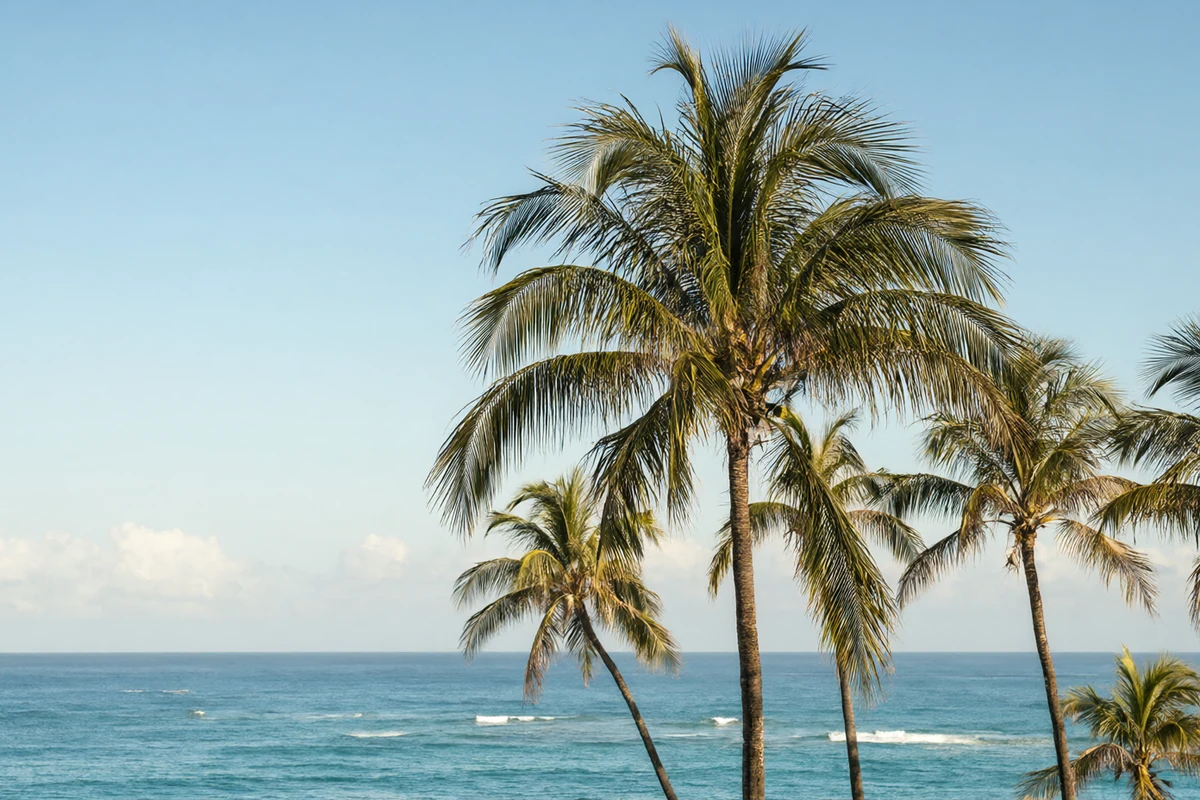
Hawaii is a year round destination, but the experience changes considerably from month to month. The weather, the size of the crowds and the price of a room all move with the seasons, and the islands themselves are not identical. Picking the right time is really about deciding what matters most to you: calm water, big surf, low prices or dry skies. This guide explains how the seasons work and how to choose a month that suits your plans.
The two main seasons
Hawaii has a warm season and a cool season rather than the four seasons of higher latitudes. The warmer months run roughly from May to October, with steady heat, lighter winds and calm seas, and they are the most popular time to visit.
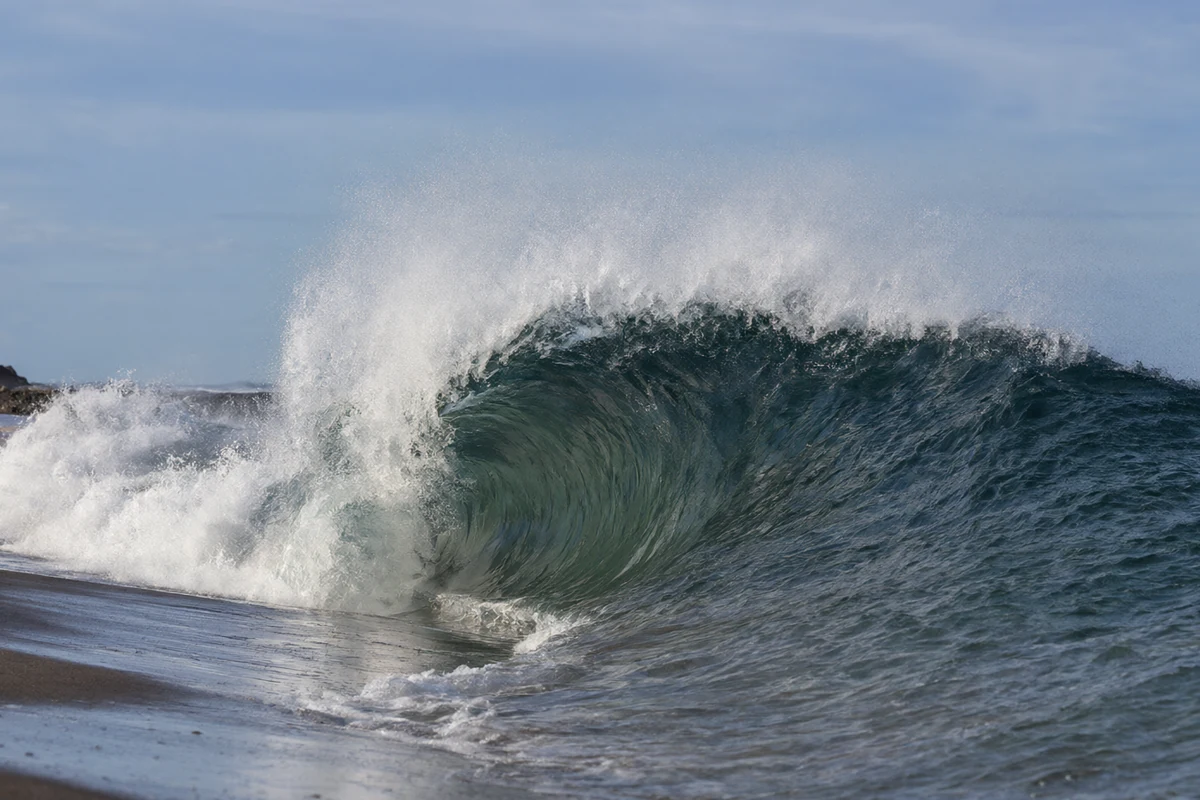
The cooler months, from November to April, bring slightly lower temperatures, more rain and the famous winter surf on the north and west facing coasts. The sea is rougher, the whales arrive, and the light is softer and often more dramatic.
Temperatures never swing as widely as on the mainland. The main differences are in rainfall, wind, sea conditions and the length of the crowds, rather than in the thermometer itself.
Rain, wind and the landscape
Each island has a wet side and a dry side, shaped by the trade winds that blow across the mountains. The windward coasts catch the rain and stay green, while the leeward coasts are drier and sunnier, which is why the big resorts cluster on the dry side.
This means you can often escape the rain simply by driving to the other side of the island. A wet morning on one coast can be a sunny afternoon on the other, so a flexible plan and a car repay the effort.
Trade winds are strongest in the summer months, which keeps the heat comfortable but can make afternoons breezy. In winter the winds are lighter, the air is a little more humid, and showers can be heavier when they come.
Crowds, prices and school holidays
The busiest periods are the summer months and the winter holidays, when families travel and prices peak. Flights, rooms and tours all cost more, and the popular sights fill early in the day.
The shoulder months of spring and autumn often offer the best balance of decent weather, thinner crowds and lower prices. If you can travel then, you will find a calmer and cheaper version of the same islands.
Special events, festivals and surf competitions can also drive demand in particular weeks. Checking the local calendar before you book can save you both money and disappointment.
| Season | Weather | Crowds | Best for |
|---|---|---|---|
| Summer | Warm, breezy, calm seas | Busy, prices peak | Beach, snorkelling, sailing |
| Winter | Cooler, wetter, big surf | Busy holidays | Surf, whales, green scenery |
| Spring | Mixed, pleasant | Moderate | Value and flexibility |
| Autumn | Warm, quieter | Moderate | Fewer crowds, good prices |
| Shoulder weeks | Variable | Lightest | Independently minded travellers |
Seasonal highlights
Winter is the season for whale watching, as humpback whales arrive to breed and calve in the warm waters. It is also the time for serious surf on the north shore and for the lush green landscapes that follow the rain.
Summer brings calm seas, ideal conditions for snorkelling, diving and sailing, and long, warm days for the beach. The trade winds keep the heat bearable and the water is at its most inviting.
Spring and autumn are transitional. You may get a mix of everything, which is precisely why many experienced visitors choose them for a quieter, more affordable trip.
Choosing the right island for the season
The islands differ enough that the season should shape where you go. The drier south and west coasts of the larger islands offer the most reliable sunshine, while the windward coasts reward visitors who do not mind the occasional shower.
If big surf is your goal, the north shores in winter are unmatched. If you want calm water for swimming and snorkelling, the south and west coasts in summer are the safer and more pleasant choice.
Matching your island and your coast to the season is the single easiest way to improve the weather you actually experience, and it costs nothing but a little planning.
Practical advice for any month
Whatever the season, book the essentials early during busy periods, keep some flexibility in your plans, and pack for both sun and rain. A light rain jacket earns its place even in the dry season on the windward side.
Check the surf and weather forecasts as your trip approaches and adjust your day to the conditions rather than fighting them. In Hawaii, a little patience with the weather usually rewards you within a few hours.
- Travel in the shoulder months for thinner crowds and lower prices.
- Expect the windward coasts to be wetter and greener than the leeward side.
- Book rooms, flights and popular tours early during busy periods.
- Plan around the trade winds by spending mornings on the water.
- Check the local calendar for events before you choose your dates.
- Pack for both sun and rain whatever the season promises.
There is no single best month to visit Hawaii, only the best month for the trip you have in mind. Decide whether you want calm seas, big surf, low prices or dry skies, and the islands will reward you with exactly the holiday you chose.
Read next
Hawaiian food and what to try
Poke, plate lunch, shave ice and the local flavours that define a Hawaii holiday.
Packing list and travel tips for Hawaii
What to bring for sun, rain and trails, plus money, driving and everyday practicalities.
Getting between the Hawaiian islands
Flights, ferries and how to plan an island hopping trip without wasting days in transit.