
Packing list and travel tips for Hawaii
Packing for Hawaii is easy to get wrong in both directions. Bring too little and the sun, the rain and the trails will catch you out; bring too much and you will carry clothes you never wear. The islands are casual, the weather is warm, and a few well chosen items cover almost every situation. This guide sets out what to pack for different activities and gathers the practical tips that make daily life on the islands run smoothly.
Clothing for warm and wet weather
Lightweight, breathable clothes are the foundation, and the local dress code is relaxed almost everywhere. Shorts, t shirts, a couple of smarter outfits and a swimsuit will cover most of a holiday, whether you are on the beach or in town.
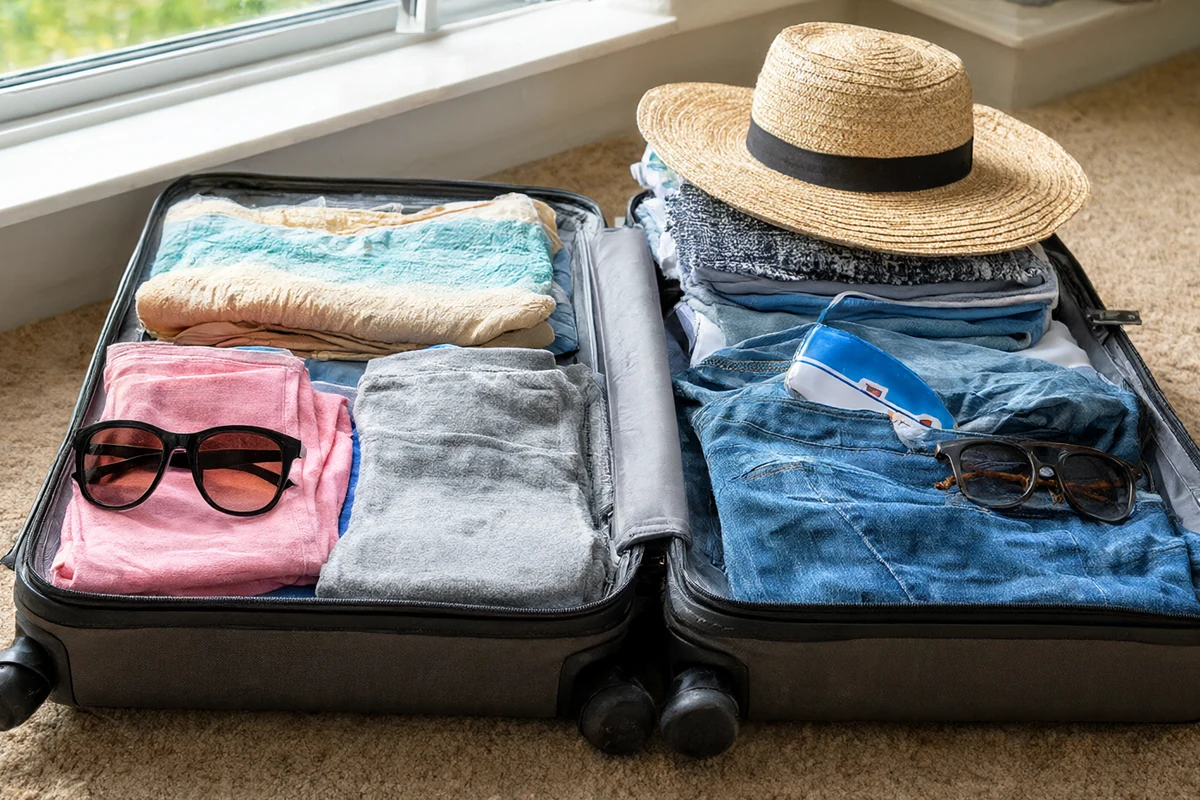
Pack a light rain jacket and perhaps a warmer layer for altitude and breezy evenings. The summit areas and the windward coasts can be cool and damp even on a day when the resort is baking.
Comfortable shoes matter more than style. You will likely walk more than you expect, both on city streets and on rough trails, so bring footwear that can handle wet, muddy and uneven ground.
Gear for the beach and the water
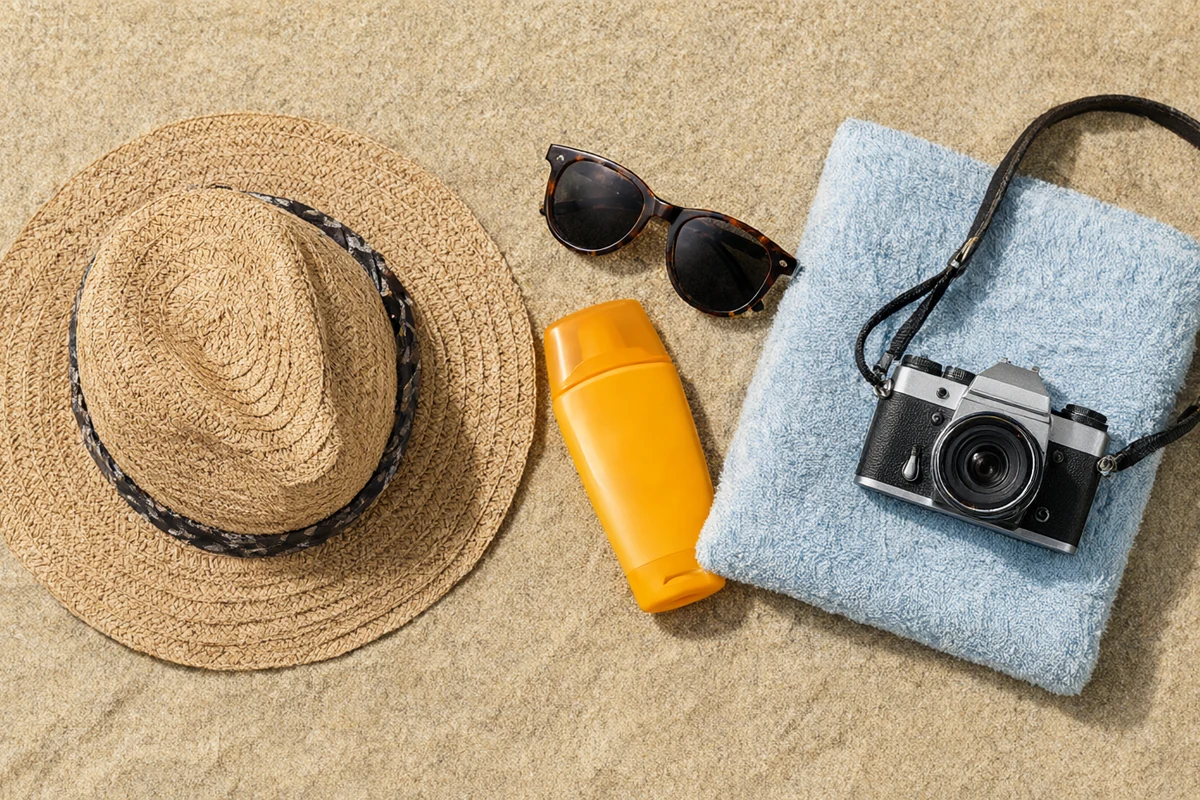
Reef safe sunscreen, a hat and sunglasses are essential, along with a rash guard for long sessions in the water. A dry bag keeps your phone and documents safe on boat trips and rainy hikes.
Reef shoes protect your feet from coral and sharp lava, and a reusable water bottle saves both money and plastic. A quick dry towel is far more practical than a heavy one when you are moving between beaches.
If you snorkel or dive regularly, bringing your own mask and fins is worth the space. Otherwise, good quality gear is easy to rent on all the main islands.
Electronics and everyday items
Bring a power bank for long days out, and check the plug type your devices need, as standard sockets may differ from home. A simple adaptor solves the problem and weighs almost nothing.
A small first aid kit, basic painkillers and any personal medication belong in your bag. Island shops stock the essentials, but the more remote areas have fewer options and longer drives.
A waterproof phone case and a spare memory card for photographs are easy to forget and annoying to replace. If you plan to hike or sail, a dry bag doubles as protection for all of them.
| Category | Pack | Why | Note |
|---|---|---|---|
| Clothing | Light layers, rain jacket | Warm, wet weather | Dress code is casual |
| Beach | Reef safe sunscreen, hat | Strong sun | Rash guard for water |
| Footwear | Sturdy shoes, reef shoes | Trails, coral | Comfort over style |
| Electronics | Power bank, adaptor | Long days out | Waterproof case |
| Documents | Cards, some cash | Small stops, tips | Tell your bank |
Money and costs
Hawaii is an expensive destination, and the cost shows up in small ways: resort fees, parking charges and the price of eating out. Budget for these extras rather than being surprised by them at the end of the trip.
Cards are accepted almost everywhere, but a little cash is useful for markets, roadside stands and small tips. Tell your bank you are travelling so your card is not blocked while you are away.
Eating where locals eat, visiting farmers markets and cooking occasionally in a condo kitchen can keep costs down without spoiling the holiday. The islands reward travellers who mix splurges with simple pleasures.
Driving and getting around
If you plan to explore beyond the resort area, a rental car is almost essential, and it should be booked early. Roads can be narrow and winding, so allow more time than the distance suggests and keep the fuel tank topped up.
Parking is limited and often paid at popular beaches and trailheads, so an early start solves two problems at once. Never leave valuables visible in the car, as break ins happen at remote trailheads.
In some areas you can manage perfectly well without a car, using buses, shuttles and tours. Decide which suits your plans before you book, because the two approaches call for very different trips.
Respect and safety reminders
Hawaii is a place with deep cultural traditions, and visitors are welcomed as guests. Treat the land, the ocean and the people with respect, follow local rules, and never enter closed or sacred sites.
The sun and the sea are the two biggest risks for most visitors. Reapply sunscreen, drink plenty of water, swim near lifeguards, and give the ocean the respect it deserves wherever you are.
- Pack light layers plus a rain jacket for wet and cool days.
- Bring reef safe sunscreen, a hat and a rash guard for the water.
- Carry a dry bag and reef shoes for boats, trails and rocky coasts.
- Book a rental car early if you plan to explore beyond the resorts.
- Budget for resort fees, parking and the cost of eating out.
- Drink water, reapply sunscreen and always respect the ocean.
Packed well, Hawaii is a simple destination to travel in: warm, casual and welcoming. Bring the few things that matter, leave room in your bag and your schedule, and the practical side of the trip will take care of itself.
Read next
The best time to visit Hawaii
Seasons, weather, crowds and prices, and how to choose the right month for your trip.
Hawaiian food and what to try
Poke, plate lunch, shave ice and the local flavours that define a Hawaii holiday.
Getting between the Hawaiian islands
Flights, ferries and how to plan an island hopping trip without wasting days in transit.