
Hawaiian culture and etiquette for visitors
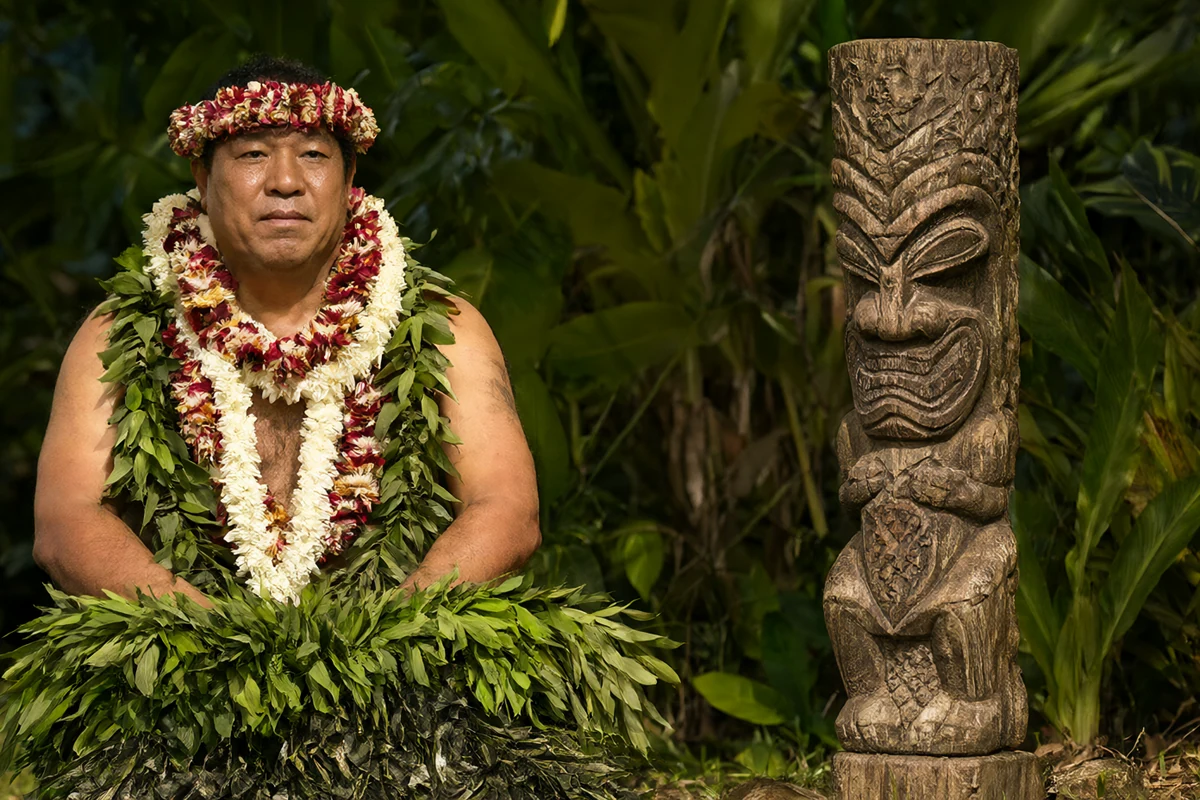
Hawaii is not only a holiday destination but a place with a living culture, a history of its own and a community that calls the islands home. Visitors are genuinely welcome, and the warmth of that welcome is one of the reasons the islands are so loved. Understanding a little of the culture and observing a few simple courtesies will deepen your trip and help ensure that residents are glad you came.
A culture shaped by many influences
Hawaiian culture reaches back over a thousand years to the Polynesian voyagers who first settled the islands, and it has since absorbed influences from across the Pacific and beyond. The result is a distinct identity rather than a single story.
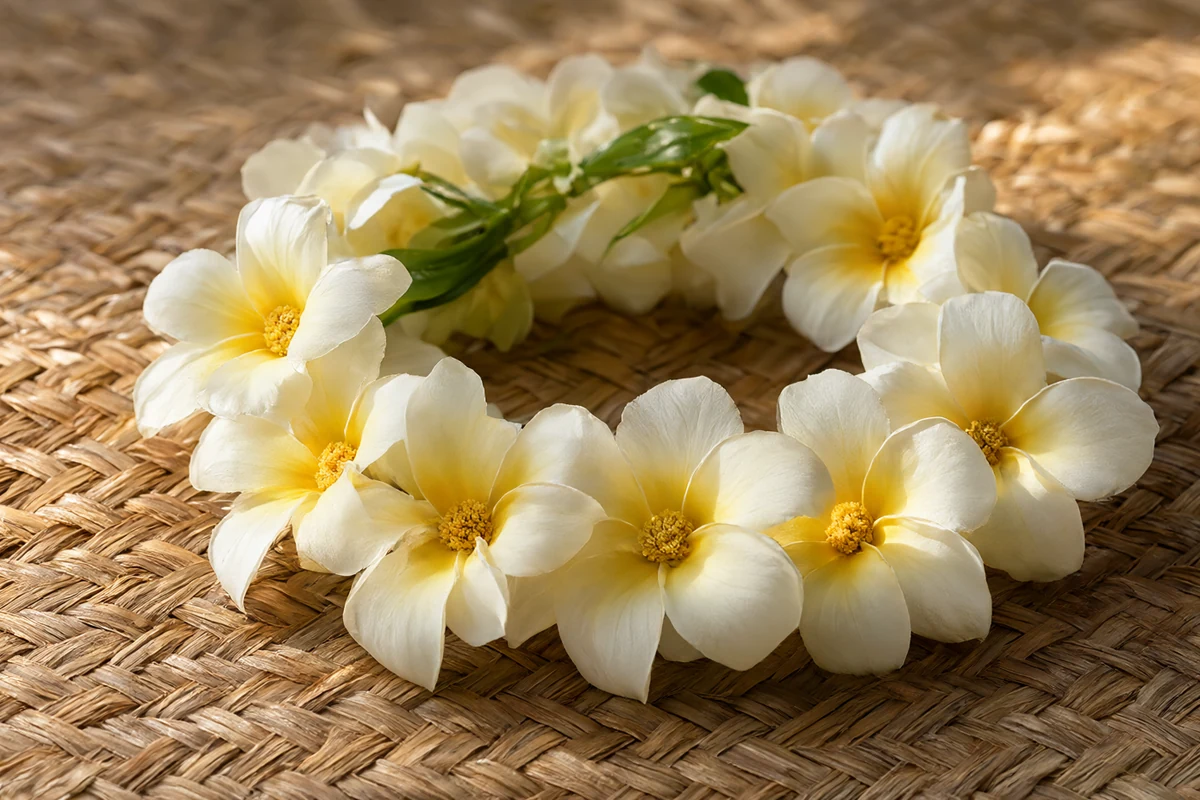
Language, music, dance and food all carry that heritage. Words in the Hawaiian language are used in daily speech, hula tells stories through movement, and food traditions remain at the centre of family life.
Understanding even a few of these threads changes how the islands feel. What might look like scenery becomes a place with meaning, memory and people who care deeply about it.
Respect for land and ocean
For many Hawaiians the land and the sea are not simply resources but living relatives, to be cared for and respected. This belief shapes the way people protect the coastline, the mountains and the sacred sites.
Visitors are asked to follow the same care: stay on trails, do not take rocks or sand home, and leave every place as you found it. Small acts of restraint are read as respect, and they make a real difference.
Certain sites are culturally sensitive or even sacred. If an area is closed or marked as private, the right response is to stay away, whatever the view may promise. There is always another way to see the islands.
Simple courtesies that go a long way
The islands have their own everyday customs, and observing them is easy. Removing your shoes before entering a home is standard, and a relaxed, friendly manner is appreciated almost everywhere.
Learn a few words of Hawaiian, such as aloha and mahalo, and use them naturally. They mean more than hello and thank you, and a visitor who makes the effort is received more warmly.
Patience and politeness matter on the roads, in the lineup for a wave and in busy shops. The islands move at their own pace, and matching that rhythm is part of the pleasure of being here.
| Custom | What to do | Where | Why |
|---|---|---|---|
| Shoes indoors | Remove them at the door | Homes, some lodgings | Everyday courtesy |
| Language | Use aloha and mahalo | Everywhere | Shows respect |
| Sacred sites | Stay away if closed | Cultural areas | Protects heritage |
| Wildlife | Keep your distance | Reefs, beaches | Animals are protected |
| Surf lineup | Take turns by etiquette | All breaks | Keeps everyone safe |
Hula and the performing arts
Hula is a serious art form, a way of preserving history and telling stories through dance and chant. It is not simply entertainment, and the many distinct styles each carry their own meaning.
A performance is best enjoyed with attention and warmth. Watching closely, listening to the explanations and applauding sincerely is more appropriate than treating the dance as a photo opportunity or a novelty.
The same applies to music and craft. Many traditions are kept alive by families and communities, and supporting them, whether at a show, a market or a festival, helps the culture flourish.
The ocean as a shared space
The sea is central to island life, and the rules around it reflect that. Surfers take turns according to an established etiquette, and beginners are expected to learn it rather than ignore it.
Give wildlife its space, especially turtles and other protected species, and never touch or chase them. Feeding wildlife, standing on coral and taking marine life are all damaging and disrespectful.
Safety and respect go together on the water. Follow the warnings of lifeguards and local signs, and know your own limits, because the ocean here is powerful and unpredictable.
Being a good guest
Travel considerately by supporting local businesses, buying from markets and artisans, and treating everyone you meet with courtesy. Your visit can be a benefit to the community or simply a cost, and small choices decide which.
Approach the islands with curiosity and humility, ask questions, and listen to the answers. Hawaii repays that openness with a welcome that no guidebook can describe.
- Learn a few Hawaiian words and use them naturally.
- Stay on trails and never take rocks, sand or plants home.
- Keep away from sacred or closed sites, whatever the view.
- Give turtles and other wildlife plenty of space, and never touch them.
- Follow surf etiquette and take your turn in the lineup.
- Support local businesses, markets and artisans during your stay.
Hawaii welcomes visitors, and that welcome grows warmer when it is returned. Learn a little of the culture, observe the simple courtesies, and your trip will be richer for it, both for you and for the islands you came to see.
Read next
The best time to visit Hawaii
Seasons, weather, crowds and prices, and how to choose the right month for your trip.
Hawaiian food and what to try
Poke, plate lunch, shave ice and the local flavours that define a Hawaii holiday.
Packing list and travel tips for Hawaii
What to bring for sun, rain and trails, plus money, driving and everyday practicalities.