
Hawaiian food and what to try
Hawaiian food is one of the great pleasures of a visit, and it is far more varied than most visitors expect. The islands sit at the crossroads of Pacific, Asian and American cooking, and the result is a cuisine that mixes raw fish, grilled meat, tropical fruit and noodles on the same menu. This guide introduces the dishes worth seeking out, the local habits around eating, and where to find the food that residents actually line up for.
Poke and the love of raw fish
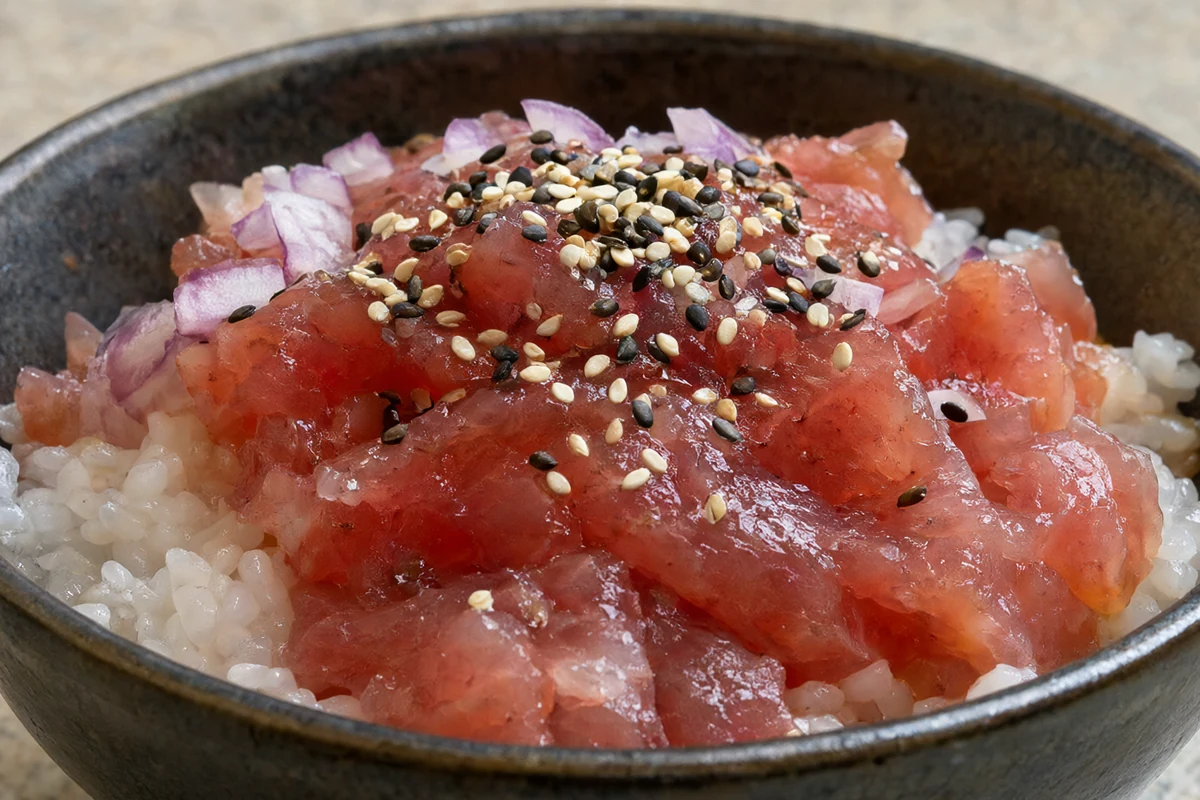
Poke is cubes of fresh fish, usually tuna, seasoned with soy sauce, sesame, onion and other flavourings. It appears everywhere from supermarkets to fine restaurants, and it may be the single most characteristic dish on the islands.
Quality depends on freshness, so buy from a counter with a high turnover and try a few styles rather than sticking to one. Traditional versions are simple, and modern ones add everything from spicy mayonnaise to avocado.
For a first taste, order a small bowl over rice and let the fish speak for itself. Once you know what you like, the local supermarkets offer excellent and affordable options that rival the restaurants.
Plate lunch and the local diners
The plate lunch is a working day staple: a main dish, two scoops of rice and a scoop of macaroni salad, served together on one plate. It reflects the islands' history of mixed cultures, where labourers from different backgrounds shared their food.
Variations include grilled meat, fried chicken, kalua pork and Japanese or Korean dishes. The portions are generous, the prices are usually modest, and the food is best eaten at the simple roadside stands and family diners that specialise in it.
Because plate lunches are everywhere, they are a cheap and authentic way to eat well without a reservation. Look for the places with a queue of local workers at midday.
Slow cooked pork and the earth oven
Kalua pork is pork cooked slowly in an underground oven, traditionally for a celebration or a feast. The meat becomes tender, smoky and salty, and it appears on luau menus as well as in everyday restaurants.
The earth oven technique, known as an imu, is a craft in itself, involving heated stones, banana leaves and a long, slow cook. Watching it opened is part of the experience at a traditional feast.
The result is often served simply, with rice or in a sandwich, and it is a dish that connects the modern plate lunch to much older traditions of island cooking.
| Dish | What it is | Where to find it | Try it if |
|---|---|---|---|
| Poke | Seasoned raw fish | Supermarkets, diners | You like seafood |
| Plate lunch | Main dish, rice, mac salad | Roadside stands | You want value |
| Kalua pork | Slow cooked in an earth oven | Luau, restaurants | You like smoky meat |
| Shave ice | Fine ice with syrups | Stands and shops | You want a cool treat |
| Malasadas | Fried dough, often filled | Bakeries | You have a sweet tooth |
Tropical fruit and sweet treats
The islands grow an abundance of fruit, from mango and papaya to pineapple and coconut. Local fruit stands sell it ripe and cheap, and the difference from supermarket imports is obvious in the first bite.
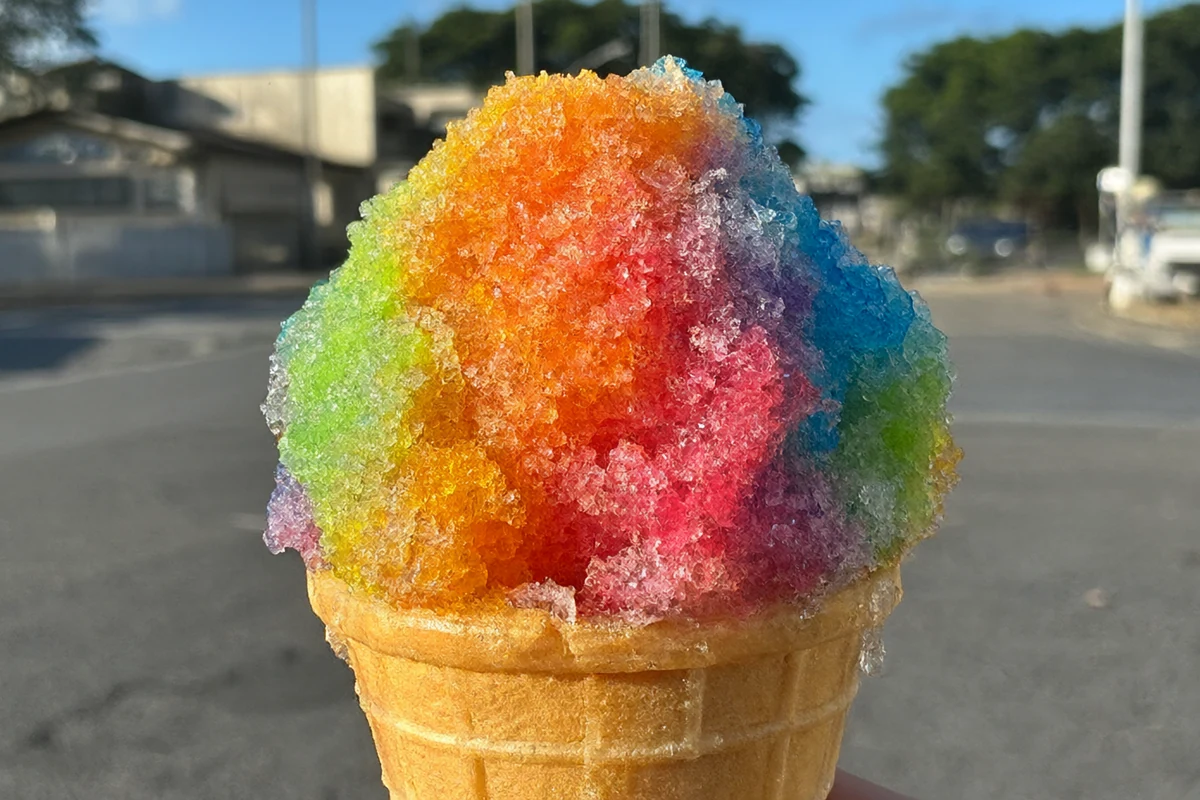
Shave ice is the classic local treat: finely shaved ice, flavoured syrups and often a scoop of ice cream or beans underneath. It is nothing like a snow cone, and it is the perfect thing on a hot afternoon.
Other sweet favourites include malasadas, Portuguese style fried dough, and a range of tropical desserts built around coconut, taro and fresh fruit. Trying them as you travel around the island is half the fun.
Eating like a local
The best food is often not in the resorts. Look for neighbourhood diners, food trucks, farmers markets and roadside stands, where the cooking is traditional and the prices are fair.
Farmers markets are excellent for fruit, prepared food and local specialities, and they are a pleasant way to spend a morning. Arrive early, as the best stalls sell out quickly.
Portions are generous and sharing is common, so a few people can order several dishes and try more of the menu. It is a sociable way to eat and a good introduction to unfamiliar flavours.
Food and drink customs
Meals are often relaxed and informal, and locals are proud of their food, so asking about a dish usually starts a friendly conversation. Take the advice and try something new; it is rarely a mistake.
A few drinks and traditional preparations have cultural weight, and there are local customs around sharing and respect that are worth observing. When in doubt, watch what the people around you do and follow their lead.
Fresh fish, locally grown produce and dishes cooked the traditional way are the heart of island cooking. Seeking those out is a sure way to eat well and to understand a little more about the place you are visiting.
- Buy poke from a busy counter so the fish is at its freshest.
- Look for locals queuing at midday and join them for lunch.
- Visit a farmers market early, before the best stalls sell out.
- Share several dishes so you can taste more of the menu.
- Pair a plate lunch with a shave ice on a hot afternoon.
- Ask about unfamiliar dishes, as locals are usually happy to explain.
Eating your way around Hawaii is a genuine part of the holiday. Try the local staples, seek out the stands the residents use, and you will taste a culture built from many traditions, all sharing the same table.
Read next
The best time to visit Hawaii
Seasons, weather, crowds and prices, and how to choose the right month for your trip.
Packing list and travel tips for Hawaii
What to bring for sun, rain and trails, plus money, driving and everyday practicalities.
Getting between the Hawaiian islands
Flights, ferries and how to plan an island hopping trip without wasting days in transit.