
Choosing the right Hawaii hotel for your island
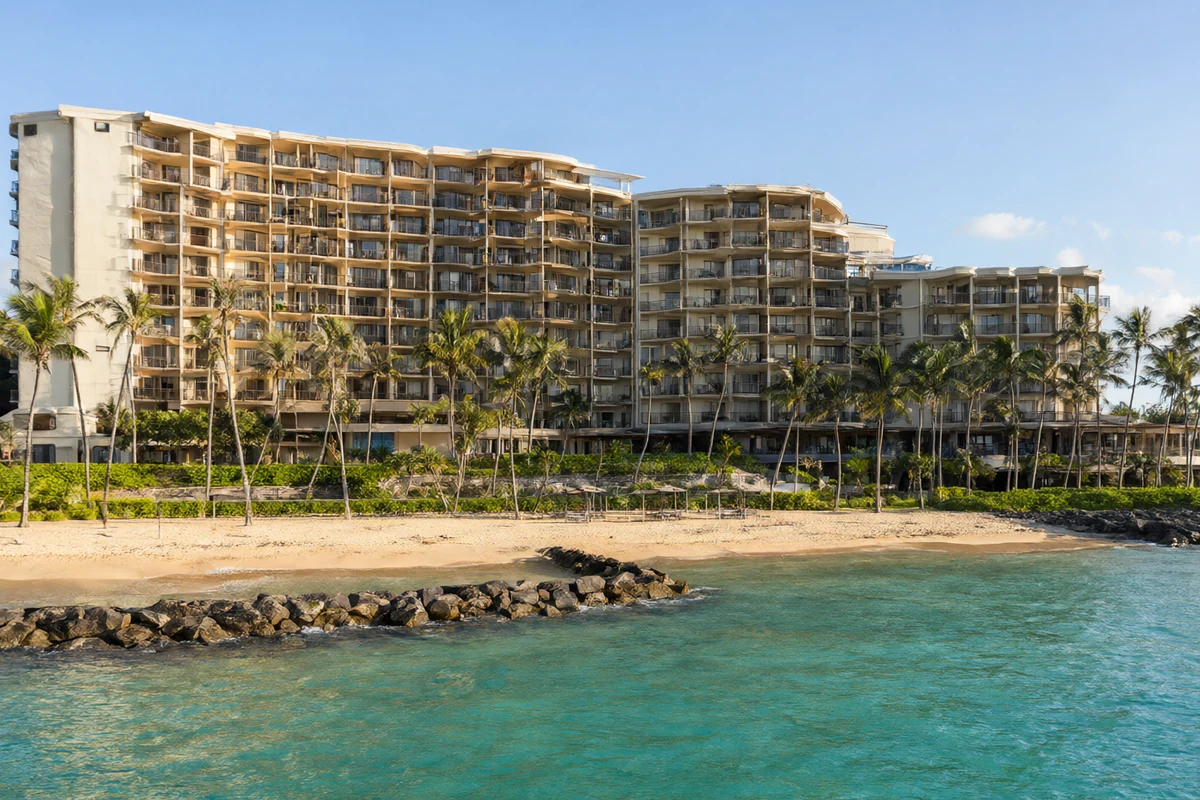
There are thousands of places to stay in Hawaii, and the differences between them matter more than the star ratings suggest. A beachfront tower on Oahu, a low rise condominium on Maui and a rainforest lodge on the Big Island offer completely different holidays. Matching the property to the island and to your own habits is the single most useful decision you will make. This guide sets out the questions worth asking before you book, and the small details that quietly change the cost and comfort of a stay.
Start with the island, not the hotel
The character of each island shapes what a hotel can offer. Oahu concentrates resorts, shopping and nightlife; Maui combines polished resort areas with dramatic coastal drives; the Big Island is larger, quieter and built around volcanic landscapes. Kauai leans rural and green.
Because inter island travel is easy, many travellers split a trip between two islands. If you do, choose one property where you can settle in and another that works as a base for exploring, rather than booking two similar resorts and repeating the same holiday twice.
Resort, condo or small guesthouse
Large resorts deliver pools, restaurants and activities on site, which suits travellers who want convenience and structure. Condominiums and vacation rentals give you a kitchen, more space and often a better location for the price.
Small inns and bed and breakfasts trade facilities for character and local advice. Decide which of those three styles fits the way you actually travel, because a bargain that lacks the feature you use every day is not really a bargain.
It helps to count how many meals you will eat out, how many days you will really use a pool, and whether you want someone else to organise your outings. Those three answers usually point clearly to one style.
Location, view and beach access
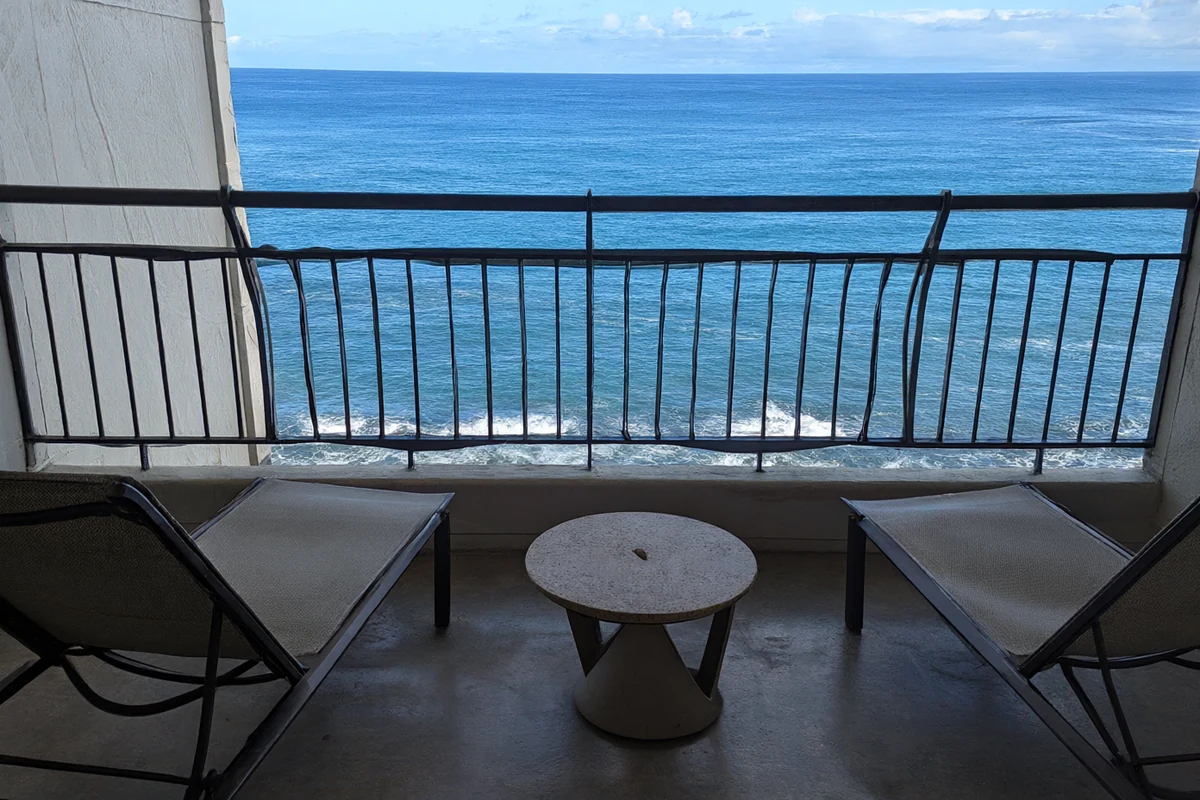
A sea view can double the price, and it is worth asking how much time you will spend on the balcony. Beach access matters more for swimmers and families, while travellers who plan to drive every day may prefer a quieter area with parking over a crowded strip.
Check whether the beach in front of the property is sandy or rocky, and whether it is calm enough for children at the time of year you travel. Winter swells change conditions on many north and west facing shores.
It is also worth asking how far the nearest shops, restaurants and bus stops are. A beautiful property on a quiet stretch of coast can feel isolated if you have to drive for every coffee and every meal.
| Question | Why it matters | What to check |
|---|---|---|
| Which island? | Sets the whole holiday | Resort, scenery, pace |
| Which type of stay? | Matches your habits | Resort, condo, inn |
| Which view? | Big price difference | Time spent in room |
| Which extras? | Changes the total cost | Fees, parking, taxes |
| Which season? | Rate and crowds | Holidays, school terms |
What to compare before you pay
The nightly rate is only part of the cost. Resort fees, parking, breakfast, cleaning charges and local taxes can change the total significantly, and some of these are disclosed late in the booking process.
Write the full weekly total for two or three candidate properties before you decide. The cheapest headline rate is frequently the most expensive stay once the extras are counted.
Timing and seasons
Rates and availability move with the seasons and with school holidays. Booking early helps for the busiest weeks, and being flexible by a few days can unlock better value. Travel midweek where you can, since weekends are in higher demand.
Weather varies more between coasts than between seasons, so a wet forecast for one side of an island often means sunshine on the other. Ask locally which coast is driest in the month you visit.
Reading reviews sensibly
Reviews are most useful when you read the details rather than the score. Look for repeated comments about noise, air conditioning, hot water and staff responsiveness, and pay attention to the dates, because a property can improve or decline over a few years.
A handful of detailed, balanced reviews tells you more than hundreds of one line verdicts. If the same complaint appears in several recent reviews, treat it as real and plan around it, whether that means requesting a quieter room, bringing ear plugs or choosing a different building altogether.
- Write down the three features you will use every day.
- Compare the full cost, not only the nightly rate.
- Check beach conditions for the season you travel.
- Confirm parking if you plan to hire a car.
- Read recent, detailed reviews rather than only scores.
- Ask whether the quoted price includes local taxes and any mandatory service charge.
- Book early for holiday periods and be flexible midweek.
A good Hawaii hotel is simply the one that fits your trip. Decide what you will really do each day, compare the honest total cost, and choose the property that supports that plan instead of the one with the loudest photographs.
Read next
Where to stay and what to see in Honolulu
A practical guide to Honolulu neighbourhoods and the sights that pair best with each base.
Hawaii for couples: romantic places, sunsets and unusual dates
Romantic places in Hawaii for couples, from sunset beaches to unusual shared experiences.
Resort or condo: where to stay in Hawaii
Resort or condominium in Hawaii: costs, space, food and daily rhythms compared.