
Resort or condo: where to stay in Hawaii
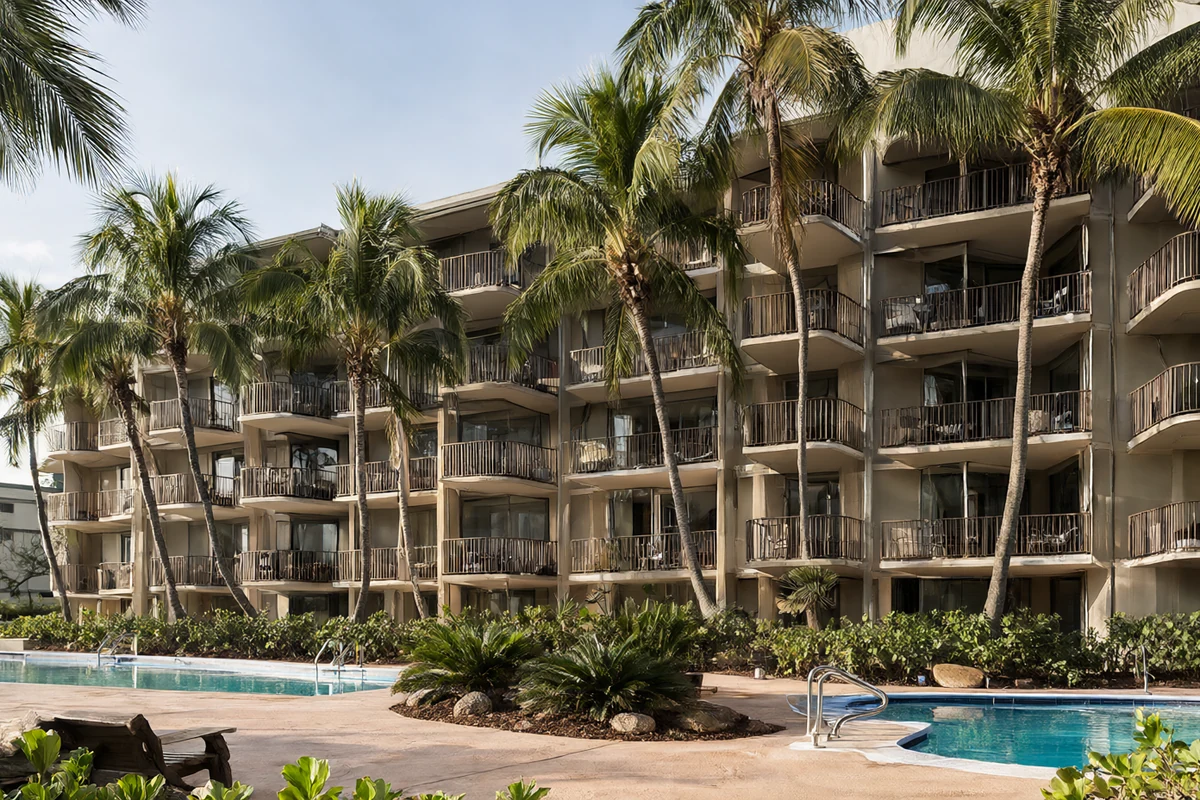
Most visitors to Hawaii end up choosing between two very different kinds of accommodation. A resort offers pools, restaurants and organised activities in one place, while a condominium offers space, a kitchen and often a more residential setting. The right answer depends on how you like to spend your days and how much you value convenience against independence. This article compares the two honestly, including the costs that appear late in the booking and the small differences that decide whether a stay feels restful or cramped.
The daily rhythm of a resort
A resort day has a pleasant shape. You wake, walk to breakfast, claim a spot by the pool or on the beach, and drift between meals, activities and the room without ever leaving the grounds. Staff arrange tours, taxis and dinner reservations, and children's programmes keep younger guests busy.
The convenience has a price. Food and drinks bought on site cost more than outside, resort fees are common, and the boundaries of the property can feel narrow after a few days.
Resorts suit travellers who want to switch off and let someone else handle the logistics. If your ideal holiday involves no decisions at all, a resort is hard to beat.
The daily rhythm of a condo
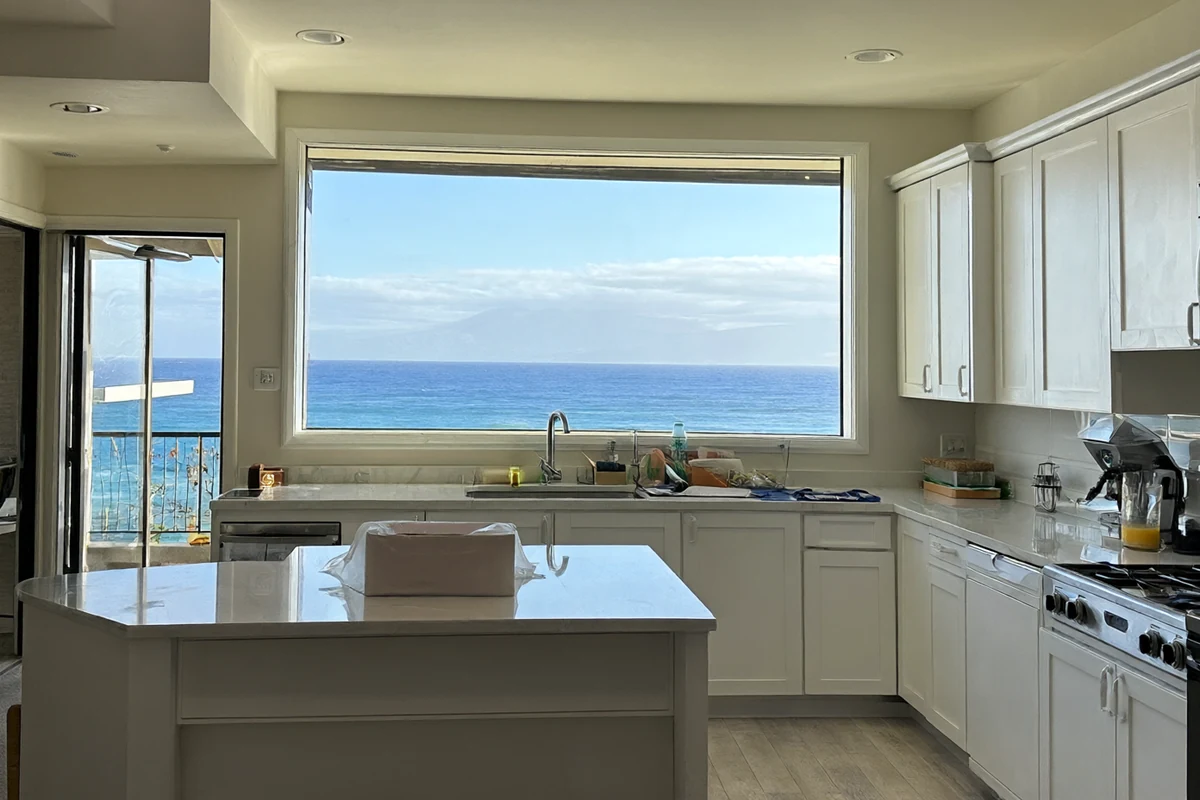
A condominium turns a holiday into something closer to ordinary life in a beautiful place. You shop for groceries, make your own breakfast, pack a picnic for the beach and eat dinner on your own balcony at sunset. Space per person is usually greater, and laundry facilities make longer stays easier.
The trade off is that you are your own concierge. You plan the outings, find the parking and handle any problems directly with the owner or management company.
Condos reward travellers who enjoy that independence and who do not mind spending an hour of the holiday on practical matters in exchange for a more spacious and better located base.
Costs compared over a week
Resort pricing bundles services and location, so the nightly rate is higher but the extras are visible. Condos often look cheaper per night, yet the real saving comes from cooking and from not paying for facilities you would not use.
Neither style wins on every trip. A short stay built around restaurants and activities usually favours a resort, while a longer stay with a car and a desire to explore usually favours a condo.
It helps to total the likely food bill for the week as well as the room. On a long stay the kitchen can quietly save more than the difference in nightly rates, while on a short stay the convenience of eating on site is often worth paying for.
| Factor | Resort | Condominium |
|---|---|---|
| Space | Standard room | Often larger, separate rooms |
| Food | Restaurants on site | Your own kitchen |
| Cost shape | Higher rate, visible extras | Lower rate, self arranged |
| Best for | Short trips, convenience | Longer stays, families |
| Location | Often beachfront | Residential, may need car |
Space, privacy and family needs
Families with young children often value a condo for the separate bedroom, the kitchen and the ability to keep to a routine. Couples on a short break may prefer the simplicity of a resort where everything is decided for them.
If you are travelling with a group, a condo also makes it easier to spend time together without sitting in a restaurant for every meal, which can be both cheaper and more relaxed.
Think about bedtimes and mornings as well. A property with separate rooms lets early risers make coffee without waking everyone else, while a single hotel room tends to set the rhythm for the whole group.
Location and access
Resorts tend to occupy the best beachfront positions, which is a genuine advantage. Condos are scattered across residential areas and may sit a short drive from the sand, in exchange for quieter streets and easier parking.
Ask about the walk to the nearest beach before booking a condo, and check whether the route is lit and safe in the evening.
Making either choice work
Whichever you choose, book early for busy periods and confirm what is included. Ask about cleaning charges, parking, late check in and any local rules that apply to short term rentals, since these differ between islands and neighbourhoods.
Finally, plan one or two meals and one activity before you leave home. A little structure makes the first day easier and leaves the rest of the trip free for whatever the islands suggest.
Try to arrive in daylight if you can. Finding the entrance, the parking and the nearest shop is far less stressful before dark, and the first view of the coast is a better introduction to the island than a driveway at midnight.
- Estimate how many meals you will eat out.
- Count the days you will actually use a pool.
- Check parking and cleaning fees before deciding.
- Ask how far the nearest swimmable beach is.
- Confirm rules for short term rentals on your island.
- Book early for holidays and school breaks.
There is no universal winner between a resort and a condominium. Decide how much of the holiday you want organised for you, compare the honest weekly cost, and pick the style that matches the way you like to travel.
Read next
Where to stay and what to see in Honolulu
A practical guide to Honolulu neighbourhoods and the sights that pair best with each base.
Hawaii for couples: romantic places, sunsets and unusual dates
Romantic places in Hawaii for couples, from sunset beaches to unusual shared experiences.
Choosing the right Hawaii hotel for your island
How to match a Hawaii hotel to the island, the season and the way you travel.