
Oceanfront views and beachfront stays in Waikiki
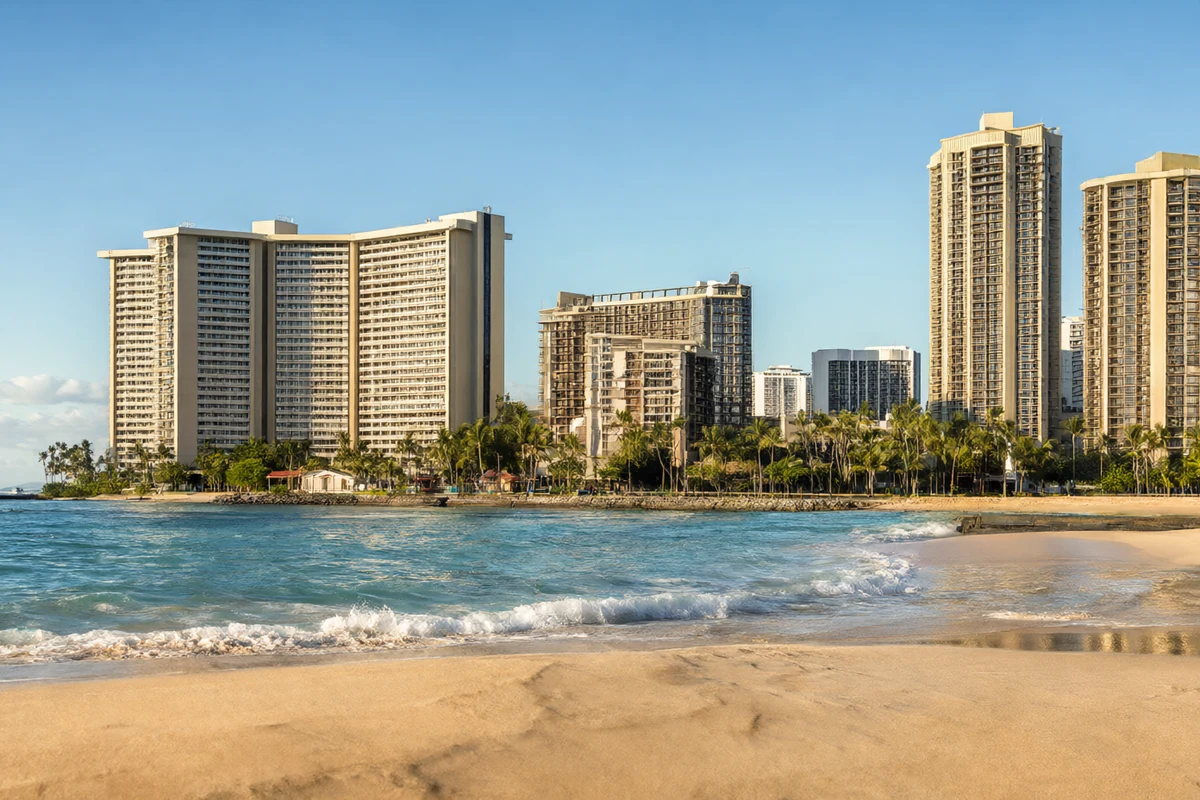
Waikiki is the most famous beachfront address in Hawaii and the easiest place on Oahu to wake up to the sound of the sea. The district is compact enough to walk, lined with hotels of every age and price, and backed by shops, restaurants and evening entertainment. Not every room advertised as oceanfront actually faces the water, however, and the difference matters. This guide explains what to look for, how the beach is divided, and how to get the most from a stay on the sand.
What oceanfront really means
Properties use several overlapping terms, and they are not interchangeable. Beachfront means the building sits directly on the sand; oceanfront usually means the room faces the water, though perhaps across a road or a promenade; ocean view simply indicates that the sea is visible from somewhere in the room.
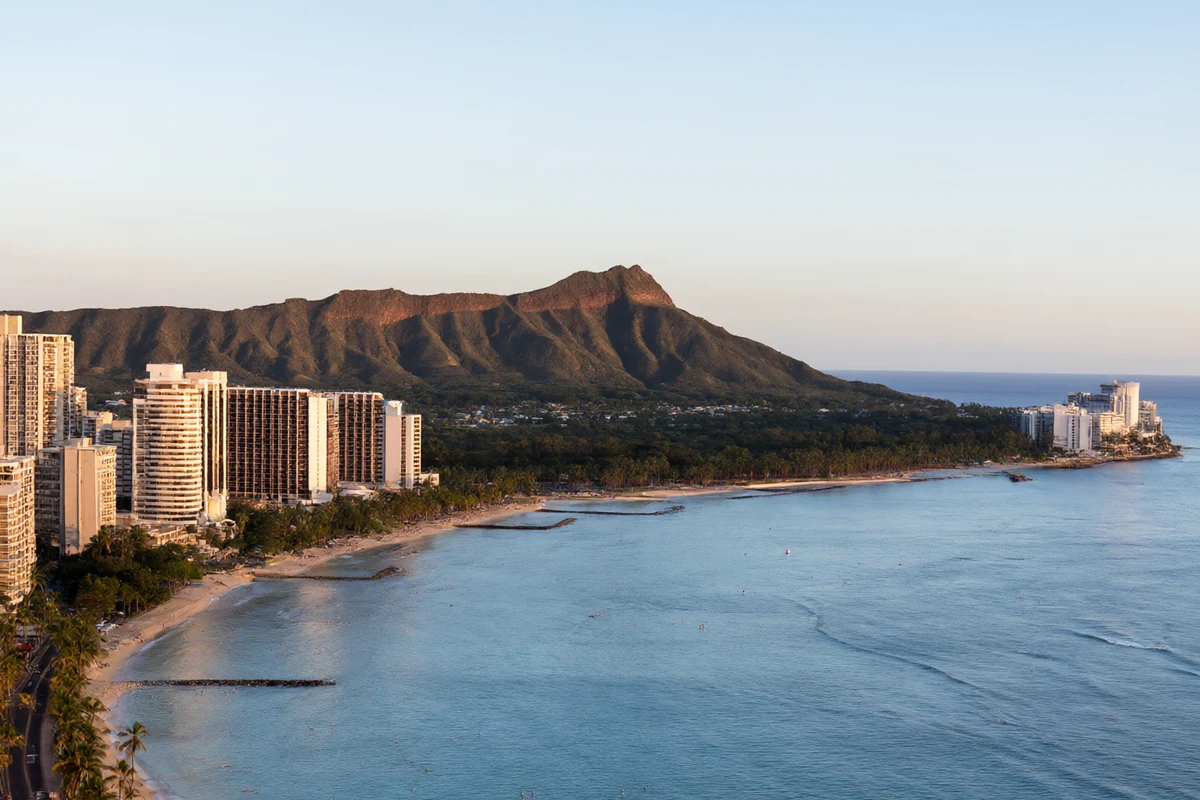
When you book, ask for the specific room category and, if it matters to you, request a high floor with an unobstructed line of sight. Corner rooms often catch a wider panorama, but they can also face the noise of the street.
It is worth checking a map before you choose, because two buildings described the same way can sit a surprising distance apart, and the quality of the view depends as much on what lies between you and the water as on the direction the window faces.
The geography of Waikiki beach
The beach runs in sections, each with its own character. The stretch near the middle is the busiest and best served by facilities, while the ends are quieter and often better for swimming. Local knowledge about where the water is calmest changes with the season.
Because the beach is made up of separate areas, two hotels a few hundred metres apart can offer quite different experiences of sand, shade and surf, and the walk between them may pass walls, roads and a marina.
It is worth understanding the tide as well. Some sections widen at low tide and narrow to almost nothing at high water, which changes where you can lay a towel and how easy it is to enter the sea with children.
Ask at your hotel which part of the beach is best for the activity you have in mind, whether that is a morning swim, a surf lesson or simply a quiet patch of shade under a tree.
Sunrise, sunset and the light
Waikiki faces roughly south, which means you get long soft light in the morning rather than a classic sunset over the sea. Photographers often walk toward the crater at dawn, when the water is calm and the beach is nearly empty.
Evenings bring their own reward: the promenade fills, the torches are lit and the sky behind the hotels turns warm as the sun drops behind the city.
| Term | Usually means | Ask before booking |
|---|---|---|
| Beachfront | Building on the sand | Which section of beach |
| Oceanfront | Room faces the sea | Any road in between |
| Ocean view | Sea visible from the room | From where, and at what height |
| Partial view | Limited or angled sightline | Exactly what blocks it |
Noise, crowds and comfort
The trade off for a beachfront address is activity. The main avenue and the promenade stay busy late into the evening, so light sleepers may prefer a higher floor or a room facing away from the street.
Ask about construction when you book. Building work moves between properties, and a room that was quiet last year may overlook a site this year.
Getting around from the beach
One advantage of staying in Waikiki is that a car is optional. Buses, shuttles and guided tours all serve the district, and many of the city's main sights are within a short ride.
If you do hire a car, confirm parking in advance, because spaces are limited and expensive. Some visitors park once and leave the car for the whole stay, using public transport for short trips.
Making a beachfront stay worthwhile
Plan at least one morning and one evening on the beach itself rather than treating it as a backdrop for photographs. Swim early, eat a late breakfast and let the day slow down.
That unhurried time beside the water is what the location is really for, and it is the part of a beachfront stay that most people remember when they get home.
If you are travelling with children, choose a calm section with a gentle entry and keep an eye on the lifeguard flags. Ask at the hotel desk each morning, since conditions can change overnight with a new swell.
- Confirm the room category, not just the view label.
- Request a high floor for a clearer line of sight.
- Check whether a road separates you from the sand.
- Swim in the morning when the water is calmest.
- Sort out parking before you arrive if you hire a car.
- Check whether a resort fee or cleaning charge is added at the end of the stay.
- Ask for a room away from the lift and the service corridor if you sleep lightly.
- Plan one unbooked morning to simply enjoy the beach.
Waikiki delivers the Hawaiian beach holiday that most people imagine, provided the room matches the description you were shown. Ask precise questions, choose the floor and section that suit you, and build the stay around time actually spent on the sand.
Read next
Where to stay and what to see in Honolulu
A practical guide to Honolulu neighbourhoods and the sights that pair best with each base.
Hawaii for couples: romantic places, sunsets and unusual dates
Romantic places in Hawaii for couples, from sunset beaches to unusual shared experiences.
Choosing the right Hawaii hotel for your island
How to match a Hawaii hotel to the island, the season and the way you travel.