
Where to stay and what to see in Honolulu
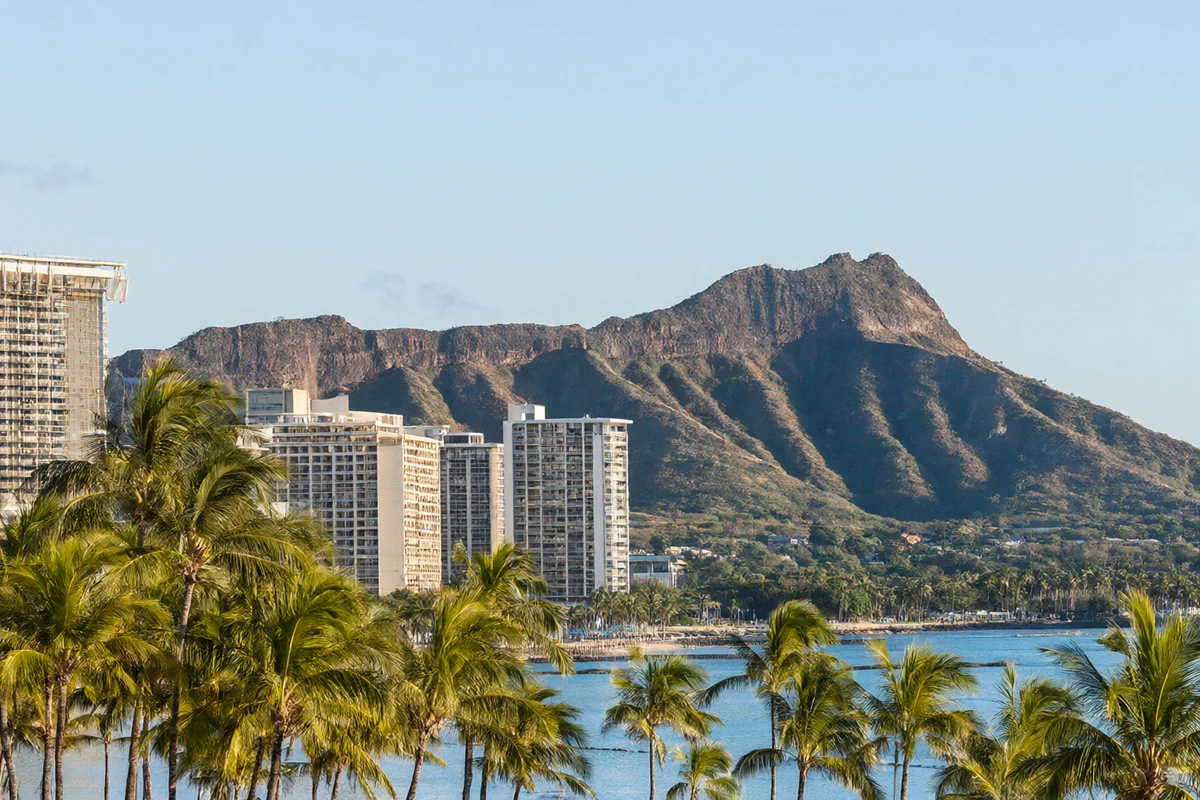
Honolulu is the busiest arrival point in Hawaii and the first stop for most visitors to the islands. The city spreads from the dense resort strip of Waikiki to quieter residential districts, a historic downtown and green mountain valleys that open behind the skyline. Where you sleep decides how much of your day is spent in traffic and how easily you reach beaches, hikes and museums. This guide looks at the main areas of Honolulu, what each one gives you, and which sights fit naturally with each base, so you can choose a part of the city that suits the holiday you have in mind.
Why your neighbourhood decides your holiday
Honolulu is not one place but a chain of districts connected by a few busy roads. The freeway and the coastal routes carry most of the traffic, and the difference between a ten minute and a forty minute journey is usually the neighbourhood you chose rather than the attraction you booked.
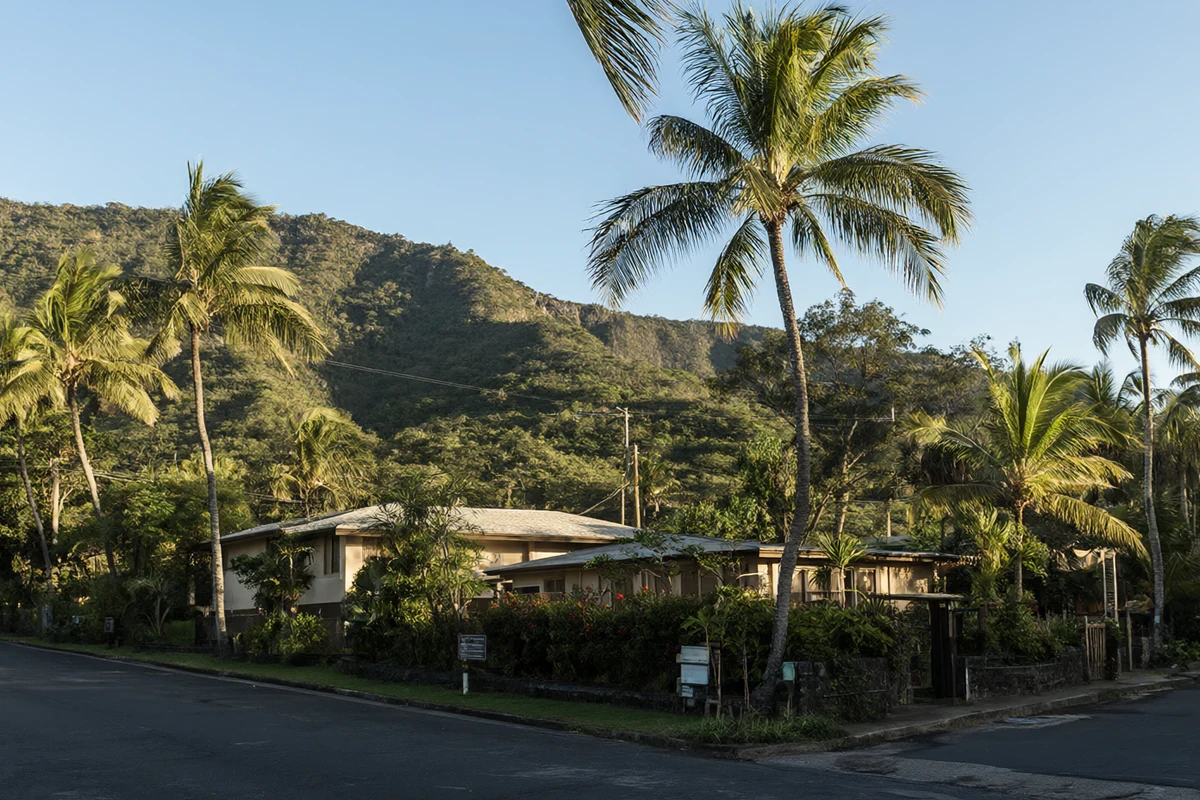
Staying close to the things you care about removes the daily negotiation about parking, timing and rush hour. A base near the beach makes mornings easy; a base near the trailheads saves a long drive; a base downtown puts history and food within walking distance.
It also changes the cost of the trip. Central resort districts charge a premium for location, while slightly inland or eastern neighbourhoods often offer more space for the same money. Weigh that saving against the extra driving you will do every day.
Waikiki: the resort core
Waikiki is the classic Hawaii postcard: a curved beach, a wide promenade along the main avenue, and hotels of every size within a few minutes of the sand. Everything a first time visitor expects is here, from surf schools and outrigger canoe rides to open air shopping and evening shows.
The trade off is density. The district is busy, parking is limited and prices reflect the location. It is, however, the easiest place to stay without a car, because buses, tour pick ups and airport shuttles all converge here.
Diamond Head sits a short drive or a long walk to the east, and the lookout over the crater is one of the city's signature views. Walk it early, before the heat and the crowds build, and take water with you.
Ala Moana and Kakaako: modern and walkable
Just west of Waikiki, the Ala Moana and Kakaako districts offer newer towers, a large open air shopping centre and a growing cluster of murals, coffee bars and small restaurants. The beach park at Ala Moana is calmer than Waikiki and popular with local families at weekends.
This area suits travellers who want a modern base with easy access to both the resort strip and downtown. It is very walkable, and the waterfront path toward Kakaako makes a pleasant morning loop before the heat arrives.
Because the district is newer, rooms are often larger and better equipped for longer stays, and the traffic is a little less punishing than in the heart of the resort strip.
| Area | Best for | Getting around | Feel |
|---|---|---|---|
| Waikiki | First visit, beach and nightlife | Walkable, buses, tours | Busy, resort |
| Ala Moana / Kakaako | Modern stays, shopping | Walkable, short drives | Contemporary |
| Downtown / Chinatown | History and food | Car or bus | Historic, quiet |
| Windward side | Scenery, local life | Car strongly advised | Green, laid back |
Downtown and Chinatown: history and food
Downtown Honolulu holds the royal and civic history of the islands, with the palace grounds, the state capitol area and old mission houses within a compact, walkable grid. Next to it, Chinatown is the city's best district for markets, noodle shops and evening restaurants.
Fewer visitors stay downtown, which means quieter streets and often better value, but you will likely want a car or a short bus ride to reach the beach. For anyone more interested in culture and food than sunbathing, it is an excellent base.
Evenings here feel different from the resort strip. The pace is slower, the bars are smaller, and you are more likely to share a table with residents than with other visitors.
What to see once you are settled
The best known sights are spread around the island rather than clustered in the city. Plan a couple of half days rather than trying to fit everything into one loop, and keep one day for the windward side where the scenery changes completely.
Build in time for the small things too: a shave ice stand, a roadside lookout, an unplanned swim. Those are usually the parts of a Honolulu trip that people remember longest.
Practical tips for booking
Book early for the high season and expect rates to rise for holiday weeks. Confirm whether a resort fee, parking charge or cleaning fee is included in the quoted price, because these extras often change the real cost of a stay.
If you plan to explore the island, a property with parking is usually worth the premium. Ask about cancellation terms before you pay, and check whether the beach in front of the hotel is swimmable at the time you travel.
Reefs and seasonal surf can make some stretches unsuitable for casual swimming, so a five minute question at check in can save an uncomfortable surprise later in the day.
- Walk the Waikiki promenade early, before the heat and the crowds arrive.
- Climb Diamond Head for the crater view and the coastline panorama.
- Spend a morning at the palace and the surrounding historic district.
- Browse the Chinatown markets for fruit, fish and prepared food.
- Drive the windward coast for the beaches and the mountain backdrops.
- Reserve a sunset dinner or a beachfront table in advance.
Honolulu rewards a little planning. Pick the neighbourhood that matches the holiday you want, keep travel times realistic, and leave space in the schedule for the views that made you book the trip in the first place.
Read next
Hawaii for couples: romantic places, sunsets and unusual dates
Romantic places in Hawaii for couples, from sunset beaches to unusual shared experiences.
Choosing the right Hawaii hotel for your island
How to match a Hawaii hotel to the island, the season and the way you travel.
Resort or condo: where to stay in Hawaii
Resort or condominium in Hawaii: costs, space, food and daily rhythms compared.