
Cultural assets and attractions in Hawaii
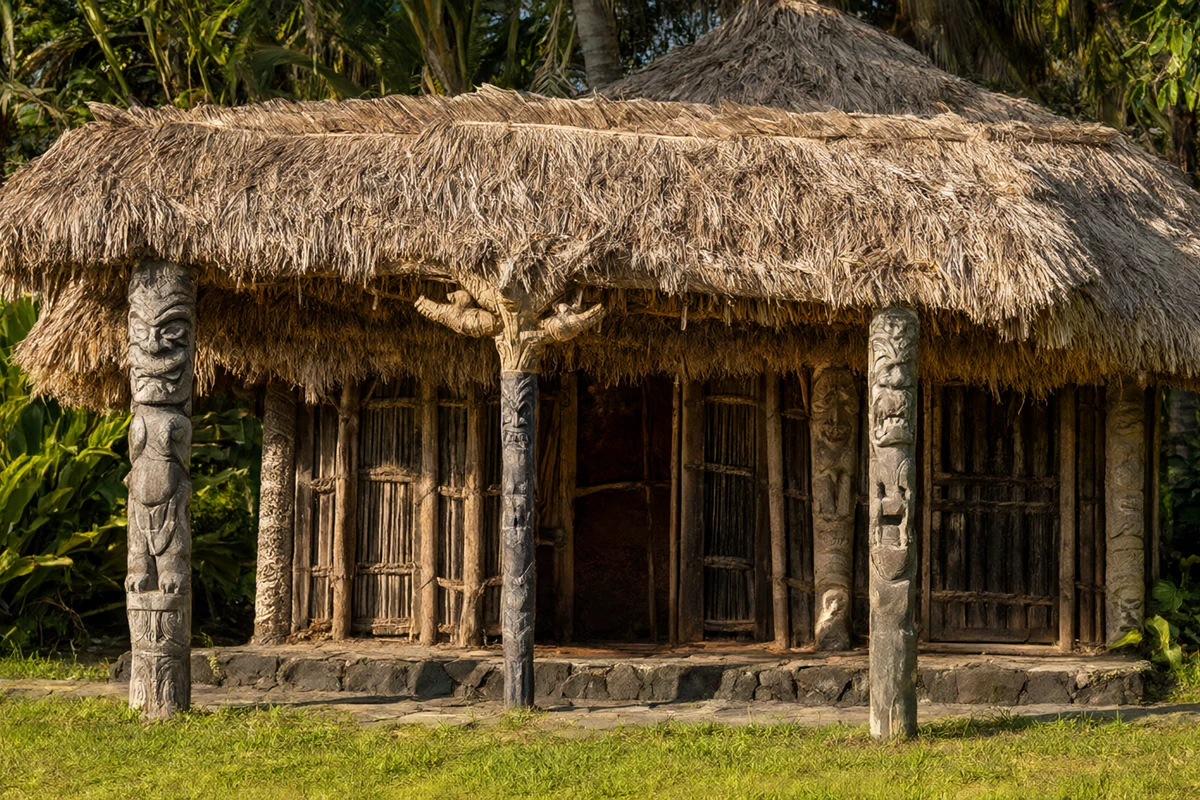
Hawaii's cultural attractions are spread across the islands rather than gathered in a single district. Palaces, mission houses, museums, petroglyph fields and living communities all tell part of the same story about a place that became a kingdom, lost its independence and then rejoined the wider world on different terms. For a visitor, a little cultural sightseeing adds context to everything else. This article sets out the main kinds of cultural site you can visit and how to approach them well.
Royal history and historic buildings
The most formal cultural sites are the royal and civic buildings, where you can walk the grounds of a palace, see the state legislature area and visit mission houses that date from the early nineteenth century.
Guided tours are worth the time at these sites, because the objects and rooms make little sense without the political story behind them.
Several buildings preserve original interiors and furnishings, which gives a much clearer picture of the period than photographs alone.
Museums and collections
Hawaii has a strong tradition of museums covering art, natural history, maritime history and the story of the islands themselves. A good museum is also the most efficient way to understand geology and culture in one visit.
Smaller collections in the outer islands often focus on plantation history, whaling, ranching or immigrant communities, and they can be more personal than the larger institutions.
Because many museums are run with limited funding, opening hours change, so check before you travel to a site.
Living culture: music, dance and craft
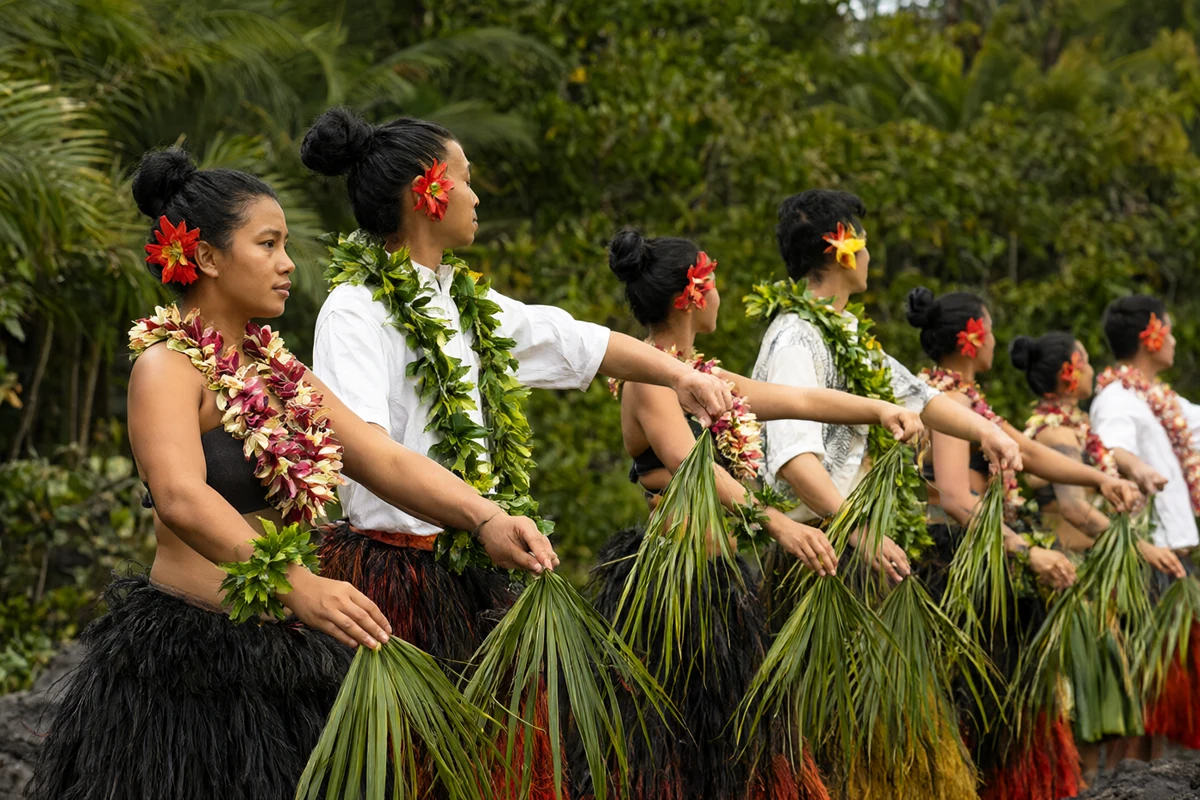
Music and dance are living traditions here. Performances range from hotel shows to community festivals, and the difference between them is significant in both atmosphere and authenticity.
Craft traditions such as weaving, quilting, carving and canoe building are still taught, and some sites allow visitors to watch or join a workshop.
Buying directly from makers supports those traditions in a way that souvenir shop purchases rarely do.
| Type of site | What you see | How to approach |
|---|---|---|
| Royal buildings | Palace and civic history | Join a guided tour |
| Museums | Art, history, natural science | Check opening hours |
| Performances | Music and dance | Prefer community events |
| Sacred sites | Rock art, heiau, fishponds | Observe all posted rules |
| Festivals | Food, craft, sport | Plan dates around them |
Archaeological and sacred sites
Petroglyph fields, fishponds, heiau and other sites are found across the islands, and many remain culturally significant rather than merely historical.
Festivals and community events
Festivals are one of the best ways to meet the culture as it is practised now. They bring together food, music, dance, sport and craft in a single place, usually with local families rather than only visitors.
Timing a trip around one of these events takes planning, but it changes the character of a holiday more than any single attraction.
Visiting respectfully
Follow posted rules, stay on trails, do not touch rock art and never remove stones or objects from a site. Where a place is sacred, treat it as you would a place of worship.
If you are unsure how to behave, ask. People are usually happy to explain, and a respectful question is far better than a confident mistake.
- Take the guided tour rather than walking the grounds alone.
- Check opening hours before travelling to a museum.
- Choose community performances over purely commercial shows.
- Do not touch rock art or remove stones from any site.
- Ask locally when you are unsure about etiquette.
- Support makers by buying craft directly from them.
It is worth leaving room in your plans for a site you did not expect. Many of the most memorable cultural experiences on the islands happen in ordinary places, from a community hall to a churchyard to a small museum run by volunteers with deep local knowledge.
A short conversation with a volunteer or a guide often explains more than three exhibit panels. Ask what changed in the last generation, and you will usually get a more honest account of the islands than any brochure provides.
Finally, consider how you spend money. Choosing local businesses and makers keeps more of the benefit on the islands, and it is one of the simplest ways for a visitor to be a positive presence rather than a passing one.
Hawaii's cultural attractions are best understood as one connected story, from royal history and plantation life to the living traditions that continue today. Approached with curiosity and care, they add depth to everything else you see on the islands.
Read next
Interesting facts you didn't know about Hawaii
Surprising and useful facts about Hawaii, from its geography to its language and food.
Hawaiian healing technique Ho'oponopono
An introduction to Ho'oponopono, the Hawaiian practice of reconciliation and forgiveness.
What makes Hawaii famous
Why Hawaii is famous: beaches, volcanoes, culture and the food of the islands.