
Features of life in Hawaii
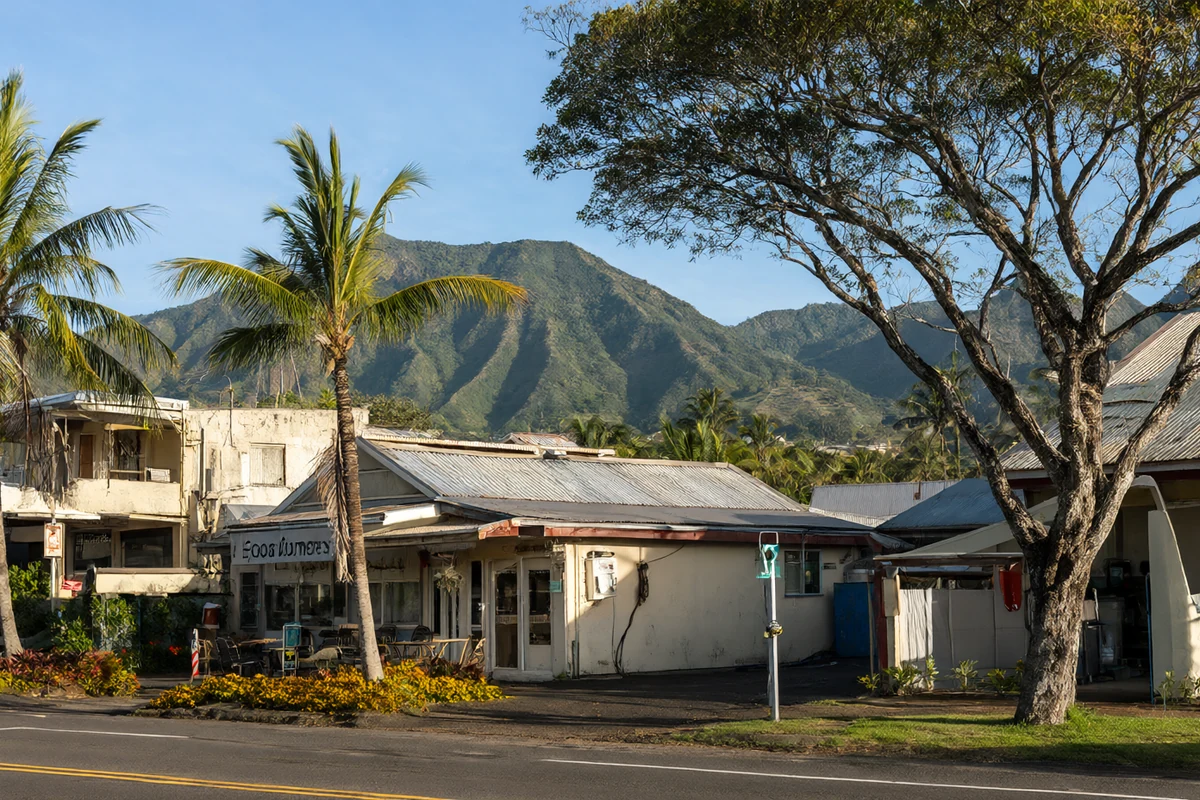
A holiday shows you the surface of a place, and Hawaii is easy to mistake for an extended resort. Life here, however, has its own rhythm and its own pressures. Island geography limits how far people commute, prices for imported goods run high, and extended family networks often carry responsibilities that visitors never see. This article describes some of the ordinary features of living in Hawaii, which is also a useful way for a traveller to understand what they are looking at.
Geography shapes everything
Living on an island means that distance is not measured only in kilometres. Mountains divide coasts, roads follow narrow corridors, and a short gap on the map can take an hour to cross when traffic builds.
Because land is limited, housing is expensive and building is constrained. New residents often discover that the view they came for is matched by rents they did not expect.
Isolation cuts both ways. It preserves a distinctive culture and slows some kinds of change, but it also means that anything imported arrives with a markup and a delay.
Climate, coasts and daily weather
Weather is described by coast rather than by season. The windward side receives most of the rain, the leeward side is drier, and the summit areas can be cold enough for a jacket while the beach is hot.
Residents plan around the trade winds and the occasional storm rather than around four seasons. A rain shower in the morning often gives way to a bright afternoon.
The ocean is part of daily life too, which is why swimming ability, water safety and respect for the surf are taught early.
Costs, work and housing
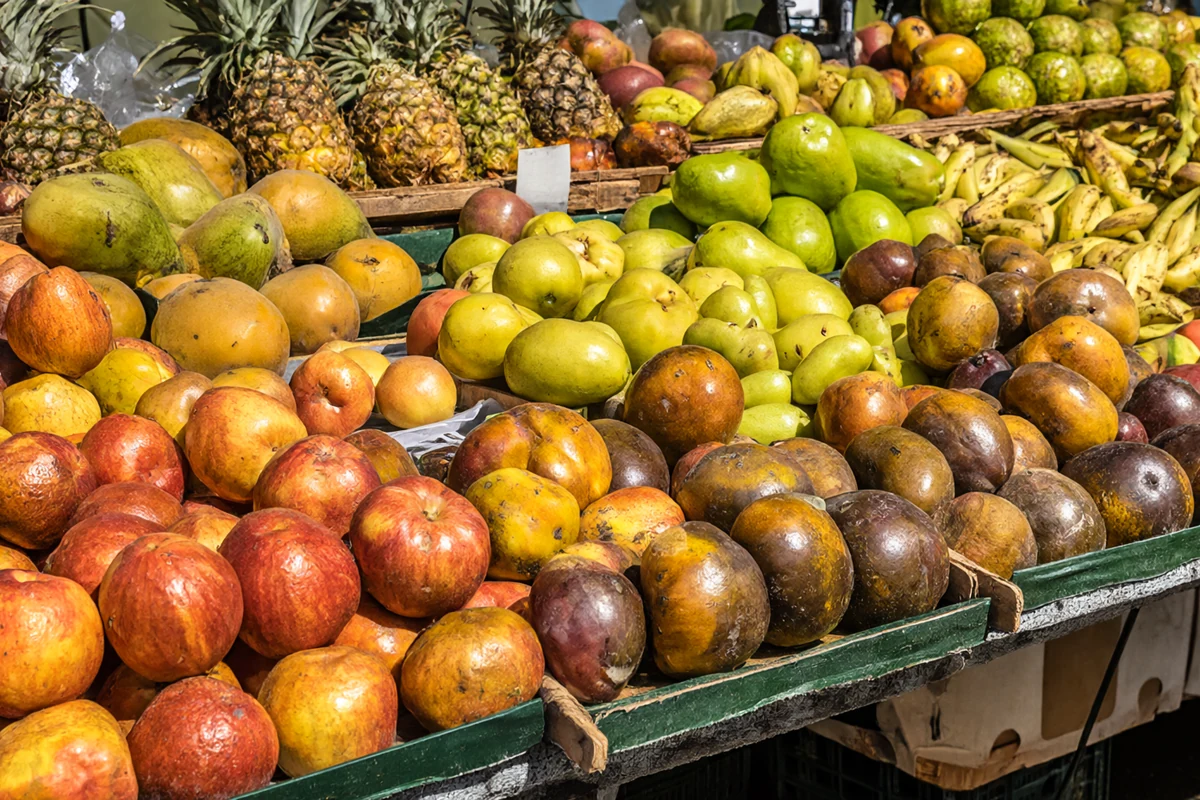
Many everyday goods cost more than they do on the mainland, and the gap is widest for anything that has to be shipped. Residents respond with local markets, bulk buying and a strong culture of sharing food.
Work is concentrated in tourism, healthcare, education, construction, the military and public services, and wages do not always keep pace with living costs.
| Feature | What it means | Effect on daily life |
|---|---|---|
| Island geography | Limited land and roads | Longer, slower journeys |
| Coast climates | Rain and sun by side | Weather planned by district |
| Imported goods | Higher prices | Local markets and sharing |
| Extended family | Strong networks | Frequent gatherings |
| Car dependence | Limited public transport | Commuting by road |
Community and family
Extended family, known here by a Hawaiian word that includes chosen relatives, plays a larger role than in many places. Gatherings are frequent, informal and built around food.
Communities are also small enough that reputation travels quickly, which encourages people to be helpful and courteous in ordinary dealings.
Transport and getting around
Public transport works well in the main city and far less well elsewhere, so most households outside the urban core depend on cars. Traffic on the main routes can be heavy at commuting times.
Inter island travel is by air and is routine for residents visiting relatives or attending appointments, though tickets are not cheap relative to mainland distances.
Respect, etiquette and the visitor
Certain habits are widely observed: remove shoes at the door, do not take anything from a sacred site, keep distance from wildlife and ask before entering private land.
Visitors who follow these expectations find that people are generous with advice and directions. The courtesies are small, but they carry real weight here.
- Plan journeys by time, not by distance on the map.
- Ask about the weather of the specific coast you visit.
- Expect imported goods to cost more than at home.
- Remove shoes at the door when invited inside.
- Leave wildlife and sacred sites completely undisturbed.
- Accept offers of local advice, and return the courtesy.
Much of what residents manage quietly also affects visitors. Water, waste, energy and road capacity are all limited on islands, and the systems that handle them are under constant pressure. Reducing what you use is not merely polite; it eases a genuine constraint.
Language matters as well. Everyday conversation mixes English and Hawaiian, and using the Hawaiian form of a place name is a small mark of respect that residents appreciate far more than a perfect accent.
If you stay long enough to make friends, you will also notice how generous people are with time. Advice, food and help arrive quickly, and the expected response is to accept it warmly and pass something back.
Life in Hawaii is shaped by isolation, geography, cost and community, and understanding those pressures makes a visit both more interesting and more considerate. The islands are a working home for the people who live here, not only a holiday setting.
Read next
Interesting facts you didn't know about Hawaii
Surprising and useful facts about Hawaii, from its geography to its language and food.
Hawaiian healing technique Ho'oponopono
An introduction to Ho'oponopono, the Hawaiian practice of reconciliation and forgiveness.
What makes Hawaii famous
Why Hawaii is famous: beaches, volcanoes, culture and the food of the islands.