
Interesting facts you didn't know about Hawaii
Hawaii is one of the most recognisable places on earth, yet much of what makes it unusual is easy to miss. The islands sit far from any other land, they were formed by a volcanic hotspot, and they carry a culture that survived colonisation and returned to public life in the twentieth century. Even visitors who spend a fortnight here often leave knowing only a fraction of the story. This article collects some of the facts that surprise people most, and explains why they still shape daily life on the islands.
An island chain in the middle of the ocean
Hawaii is the only American state made up entirely of islands, and it is among the most isolated inhabited places on the planet. The nearest continent is thousands of kilometres away, which is why the plants and animals that reached these shores arrived by wind, wave or wing.
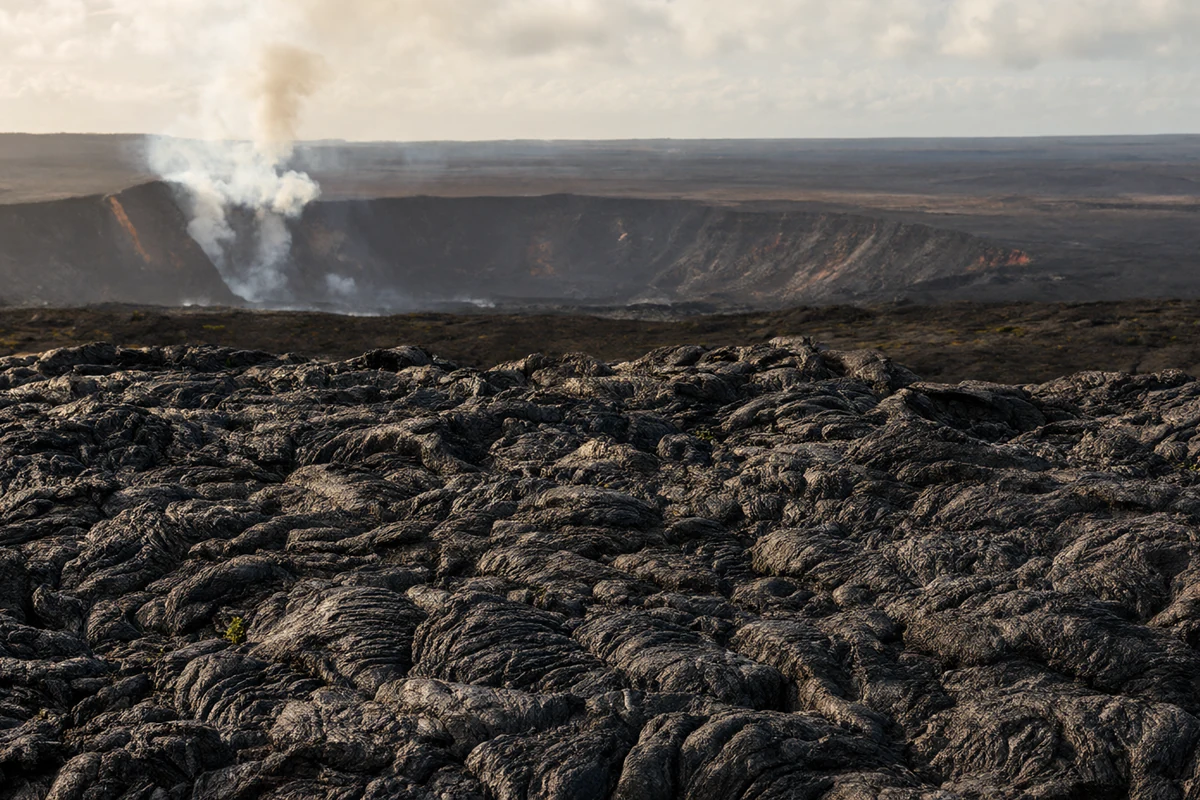
The islands were formed as the Pacific plate drifted over a volcanic hotspot, and that process continues today on the youngest island in the chain. Older islands to the north west have been eroded and partly submerged, so the archipelago is really a long record of the same geological story.
Because everything living here had to cross open ocean, the islands developed a high proportion of species found nowhere else, and those species are unusually vulnerable to change.
From kingdom to state
Hawaii was an independent kingdom with its own monarchy before the end of the nineteenth century. The overthrow of that government and later annexation remain sensitive subjects in the islands, and they explain why history is discussed here with more care than visitors sometimes expect.
Statehood followed in the middle of the twentieth century, and the decades after it brought tourism, population growth and a construction boom that changed the coastlines permanently.
Knowing this timeline makes a visit richer, because the palaces, mission houses and older neighbourhoods stop being scenery and start being evidence of a specific political past.
Language, names and pronunciation
Hawaiian and English are both official languages of the state, and the Hawaiian language has a small alphabet with fewer letters than English. Every letter is pronounced, which is why visitors are encouraged to read place names slowly rather than guessing at them.
Many everyday words in Hawaii come from Hawaiian, including the greetings and the idea of family that extends beyond blood relatives. Using them correctly is a small courtesy that residents notice.
The apostrophe-like mark in written Hawaiian is not decoration; it represents a sound, so leaving it out changes the word. Maps and signs are now more consistent about this than they were a generation ago.
| Fact | Why it matters | Where to notice it |
|---|---|---|
| Island chain | Extreme isolation | Native plants and birds |
| Volcanic origin | Land still being created | National park on the youngest island |
| Kingdom history | Recent political past | Palaces and historic districts |
| Two official languages | Hawaiian in daily use | Signs, names, conversation |
| Migrated food culture | Mixed culinary heritage | Plate lunches and markets |
| Land stewardship | Local etiquette | Trails, beaches, wildlife |
Food that tells the story of migration
Hawaii's food reflects wave after wave of migration, from Polynesian voyagers to plantation workers from Asia, Portugal and elsewhere. That is why a single plate can hold rice, a grilled meat, macaroni salad and a slice of local fruit.
Raw fish dishes, slow cooked pork, sweet shave ice and a certain canned luncheon meat all have their own histories here, and each is defended with genuine passion.
Volcanoes, weather and landscape
The islands contain some of the most active volcanoes in the world, and eruptions occasionally close roads, reshape coastlines and add new land. The national park on the youngest island is the easiest place to see the results.
Weather varies dramatically over short distances. One side of an island may be rainforest green while the other is dry and almost desert-like, and the difference can be experienced within an hour's drive.
Respect, land and the visitor
A common local idea is that the land cares for the people, and the people care for the land. It is a simple principle that explains rules about not touching wildlife, staying on trails and taking nothing from sacred places.
Visitors who follow those rules receive a warmer welcome, and the islands keep working for the people who live here. It costs nothing and matters a great deal.
- Read Hawaiian place names slowly and pronounce every letter.
- Visit the national park to see active volcanic landscapes safely.
- Notice how quickly the climate changes between coasts.
- Try a plate lunch, poke and shave ice at least once.
- Keep a respectful distance from wildlife and sacred sites.
- Ask before you assume, especially about history and land.
Hawaii rewards curiosity beyond the beach. The islands are a geological, cultural and political story all at once, and a little background knowledge turns a pleasant holiday into one you can actually explain to someone afterwards.
Read next
Hawaiian healing technique Ho'oponopono
An introduction to Ho'oponopono, the Hawaiian practice of reconciliation and forgiveness.
What makes Hawaii famous
Why Hawaii is famous: beaches, volcanoes, culture and the food of the islands.
Features of life in Hawaii
Everyday life in Hawaii: climate, costs, community, transport and local habits.