
What makes Hawaii famous
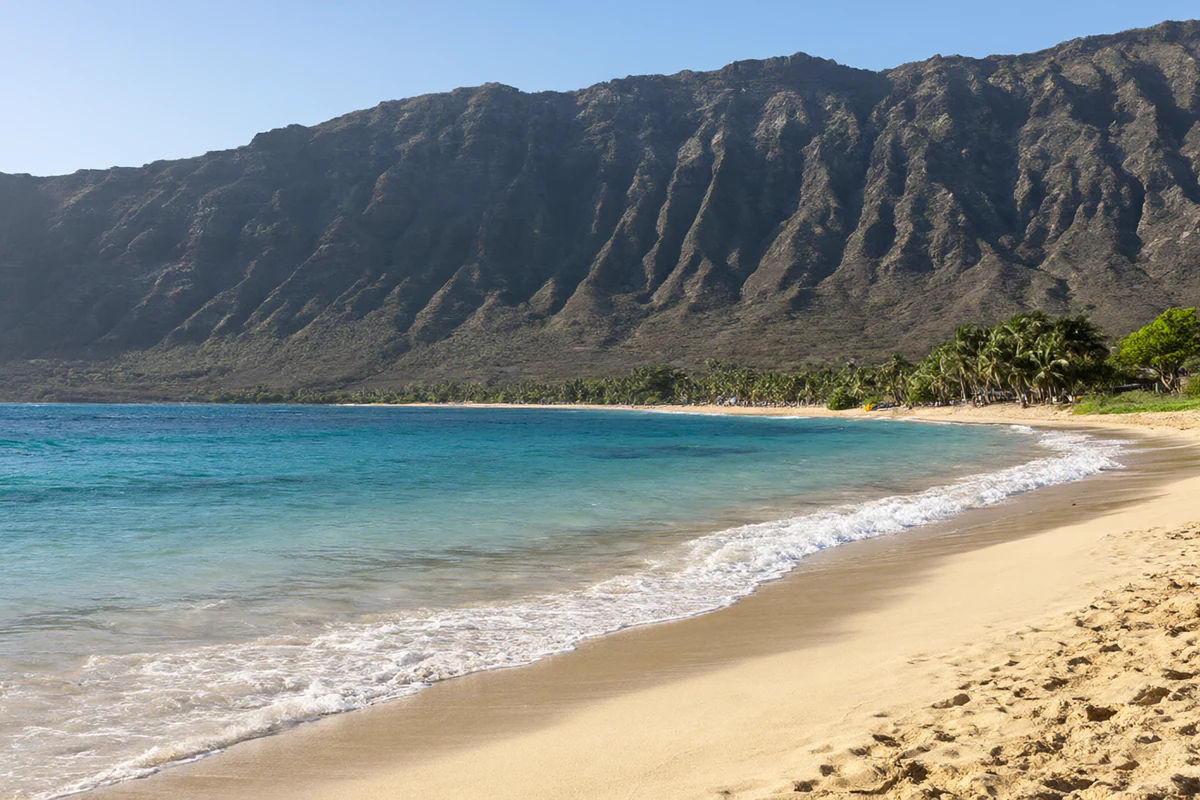
Ask a group of people why they know Hawaii and the answers will differ widely. Some will mention the beaches and the surf, others the volcanoes, and others still the music, the food or the idea of aloha. Few places carry as many separate reputations at once, and each one is built on something real. This article looks at the main reasons Hawaii is so well known, and at what a visitor actually finds when they arrive expecting the postcard.
Beaches and water
The beaches are the first thing most people picture, and they justify the reputation. Long stretches of sand, warm water for much of the year and reliable surf have made the islands a reference point for beach culture worldwide.

Different coasts suit different activities. Sheltered bays are good for swimming and snorkelling, while the more exposed shores produce the waves that made surfing famous.
Because the islands are volcanic, the sand varies too, and some beaches have unusual colours or rocky entries that require care rather than a simple run into the water.
Volcanoes and dramatic landscapes
Active volcanoes are part of daily reality here rather than a distant curiosity. The national park on the youngest island offers safe viewpoints, marked trails and clear explanations of what you are looking at.
Beyond the craters, the landscape includes rainforest, dry plains, deep valleys and cliffs that drop straight into the sea. The variety within a single island is one of the things visitors comment on most.
Culture and the idea of aloha
The word aloha is more than a greeting in the islands. It carries ideas about warmth, respect and the way people treat one another, and locals notice when visitors use it thoughtfully.
Hawaiian language, music and dance are living traditions rather than tourist performances, and they have been revived and strengthened over recent decades.
That revival is part of why the culture feels present rather than staged, and it is a good reason to learn a little before you come.
| Reason | What it really offers | Best seen |
|---|---|---|
| Beaches | Swimming, snorkelling, surf | Sheltered bays in the morning |
| Volcanoes | Active geology, viewpoints | National park on the youngest island |
| Culture | Living language and music | Hula and community events |
| Food | Mixed, generous cooking | Markets and roadside stands |
| Sport | Surf and ocean racing | North shore beaches |
Food, markets and everyday life
The food is another reason for the islands' fame. A blend of Polynesian, Asian, Portuguese and American cooking produces dishes that are simple, filling and difficult to find elsewhere in the same form.
Markets sell tropical fruit that many visitors have never tasted fresh, and roadside stands turn local ingredients into snacks and cold treats.
Sport, film and popular imagination
Surfing, outrigger canoe racing, triathlon and open water swimming all have strong roots here, and images of the islands have appeared in films and television for generations.
That exposure built expectations that are not always met. Hawaii is a real place with traffic, jobs, housing pressures and ordinary problems, not only a holiday backdrop.
What visitors actually find
People usually find the scenery exceeds the photographs while the crowds exceed their expectations. Planning around early mornings and non-famous locations solves most of that problem.
Those who travel a little further and slower tend to describe the trip quite differently from those who stay only in the resort districts, and they usually leave with a better understanding of the islands.
- Swim early, when the water is calm and the beach is quiet.
- Visit the volcano park with proper footwear and water.
- Learn a few Hawaiian words and use them correctly.
- Buy fruit you have never tasted and ask how to eat it.
- Travel beyond the resort districts at least once.
- Expect real life alongside the scenery, and enjoy it.
For a first visit, it helps to pick one island and go deeper rather than trying to sample all of them. Travelling between islands costs a day each time, and the memories that last tend to come from a single place explored properly rather than from a rushed list of highlights.
It is also worth asking what you want the trip to feel like. Adventure, rest, culture and food each point to different islands, different seasons and different neighbourhoods, and the answer changes the sort of holiday you should book rather than the destinations alone.
Whatever you choose, arrive with a little curiosity about the place itself. The visitors who read about the islands before they come almost always describe a richer trip than those who arrived expecting only sunshine and sand.
Hawaii is famous for good reasons: exceptional beaches, genuine volcanic drama, a living culture and food that reflects its history. The islands give most to visitors who look past the postcard and spend time in the ordinary places as well.
Read next
Interesting facts you didn't know about Hawaii
Surprising and useful facts about Hawaii, from its geography to its language and food.
Hawaiian healing technique Ho'oponopono
An introduction to Ho'oponopono, the Hawaiian practice of reconciliation and forgiveness.
Features of life in Hawaii
Everyday life in Hawaii: climate, costs, community, transport and local habits.