Hawaii has a rare way of making romance feel effortless. The islands do not rely on one single postcard image; they offer many different moods for couples who want more than a standard beach holiday. One day can begin above the clouds on a volcanic summit and end with bare feet in warm sand. Another can move slowly through a quiet botanical garden, a small-town café, a coastal road and a sunset that seems to change color every few minutes.
For couples, the best part of Hawaii is not only its beauty, but its rhythm. The islands encourage people to slow down without becoming bored. There are beaches for long conversations, trails for shared silence, ocean views that make even a simple picnic feel special, and unusual date ideas that turn a trip into a collection of private memories. The most rewarding route is not to rush through every famous sight, but to choose places that match the relationship: peaceful, adventurous, playful, luxurious or deeply connected to nature.
Choosing the right island for romance
Each Hawaiian island has its own romantic character, and choosing well matters more than trying to see everything in one journey. Oahu is often the easiest starting point because it combines famous beaches, restaurants, cultural sites, nightlife and scenic lookouts. It works especially well for couples who want comfort, energy and variety. A day in Oahu can include a morning swim at Waikīkī, a quiet walk near the eastern coast, dinner in Honolulu and a dramatic sunset from a beach or viewpoint without feeling logistically complicated.
Maui is often associated with honeymoons for good reason. It feels polished without losing its natural power. Couples come here for resort stays, the Road to Hāna, beaches with soft evening light, and the unforgettable experience of Haleakalā. The island suits partners who want a blend of comfort and nature: a beautiful hotel, good food, beach time, and one or two adventures that feel genuinely memorable. Maui can be romantic in a classic sense, but it also rewards couples who wake early, drive slowly and leave space for surprises.
Kauai has a softer, greener, more intimate feel. It is a strong choice for couples who prefer landscapes over nightlife and do not mind a little rain if it comes with waterfalls, cliffs and gardens. The north shore, Hanalei Bay and the dramatic Nā Pali Coast make Kauai feel cinematic, but the island’s romance is not only visual. It is in the quiet roads, the sound of chickens in small towns, the mist over the mountains and the feeling that nature is always close.
The island of Hawaii, often called the Big Island, is the best choice for couples who want contrast. It is less about a single beach-resort image and more about scale: black lava fields, coffee farms, volcano landscapes, high-elevation stargazing, waterfalls and beaches that vary dramatically from one coast to another. It suits couples who like road trips, geology, wide skies and unusual experiences. A romantic day here can feel raw and elemental, especially around Hawaiʻi Volcanoes National Park, where the landscape reminds visitors that the islands are still being shaped.
Lanai and Molokai offer a quieter side of Hawaii, though they require more planning and may not suit every first-time visitor. Lanai can feel exclusive and remote, with luxury stays and calm landscapes. Molokai has a deeply local, low-key atmosphere and is not built around mass tourism. Couples looking for simplicity and respect for place may find these islands meaningful, but they are better approached with patience and realistic expectations.
The best island for a couple is not the one that looks most impressive online. It is the one that fits the pace both people want. A relationship that thrives on movement may love splitting time between Oahu and the Big Island. A couple looking for rest may be happier with one island and fewer plans. Hawaii becomes far more romantic when the itinerary leaves room for lingering, getting slightly lost, returning to the same beach twice and choosing dinner based on the sunset rather than the clock.
Romantic beaches and quiet coastal moments
Beaches are the obvious heart of a romantic Hawaii trip, but the most memorable ones are not always the most famous. Waikīkī can be beautiful at sunset, especially for couples who enjoy a lively scene, music drifting from hotels, surfers in the distance and city lights beginning to glow behind the palms. It is not secluded, yet it has a classic charm that can feel joyful rather than crowded when approached with the right expectations. A relaxed evening walk along the shore, followed by a simple dinner nearby, can be more romantic than an overplanned luxury experience.
For a calmer Oahu mood, Lanikai and Kailua on the windward side bring soft sand, turquoise water and a gentler pace. The view toward the Mokulua islands gives the coast a painterly quality, especially in the morning. These beaches are better for couples who like early starts, swimming, kayaking or simply sitting with coffee before the day becomes busy. Parking and local neighborhood rules should be respected carefully, because the beauty of these places depends partly on the fact that they are lived-in communities, not just scenery.
Maui has several beaches that work beautifully for couples. Wailea is polished and easy, with resort paths, calm stretches of sand and a sense of comfort that suits anniversary trips or honeymoons. Makena offers a broader, more powerful coastal feeling, with open space and strong visual drama. On the west side, Kaʻanapali and Kapalua can be excellent for couples who want beach time close to restaurants and hotels. The key is to think about the kind of beach date that feels right: a quiet swim, a long walk, snorkeling, a picnic, or simply watching the sky deepen after sunset.
Kauai’s beaches often feel more poetic. Hanalei Bay is one of the most romantic places in Hawaii because it combines mountains, water, clouds and a wide crescent of sand in one view. It can feel peaceful even when other people are around because the landscape is so spacious. Polihale, on the west side, has a remote and wild atmosphere, though access and conditions require caution and preparation. Couples should not treat every beautiful beach as an easy stop; some places demand a suitable vehicle, daylight, water, patience and respect for changing conditions.
On the Big Island, beaches feel more varied and unexpected. Punaluʻu Black Sand Beach offers a striking, almost otherworldly setting, while Hapuna Beach gives couples a more classic white-sand experience. The contrast between black sand, lava rock, golden coast and deep blue water makes the island especially interesting for couples who enjoy photography or dramatic landscapes. Rather than chasing only the “best” beach, it is worth choosing several different coastal moods.
A simple beach date becomes stronger when it has a small ritual. Couples can bring fresh fruit from a local market, choose a sunset spot early enough to avoid rushing, or return to one beach at different times of day to watch how the light changes. The Hawaiian coast does not need much decoration. A towel, reef-safe habits, enough water, and the willingness to put phones away for part of the evening can turn a common stop into the emotional center of the trip.
Sunset places that feel unforgettable
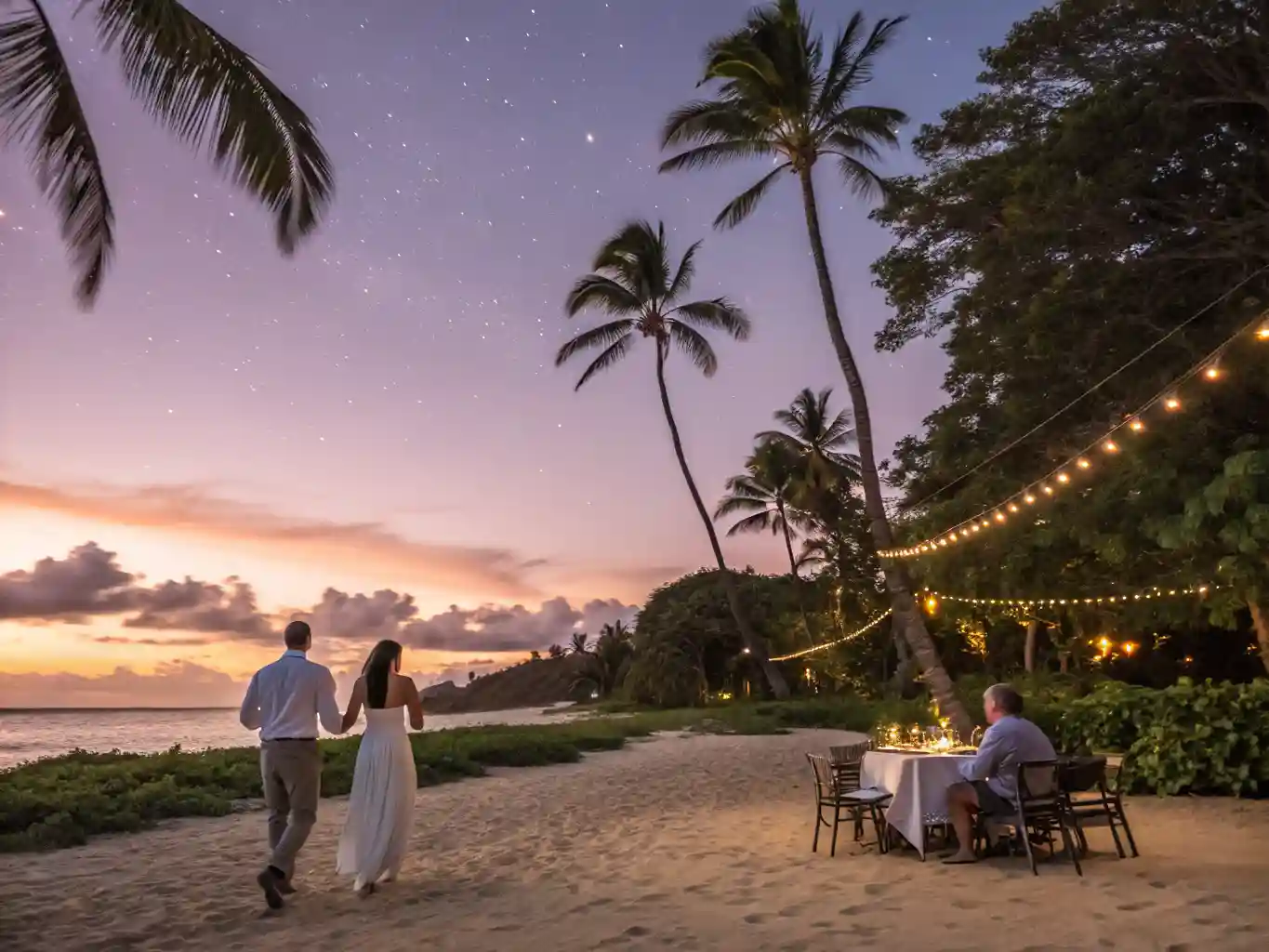
Sunsets in Hawaii are not only about the moment the sun touches the horizon. The real magic often comes before and after: the gold on the water, the pink line over the mountains, the sudden quiet among strangers watching the same sky, and the blue hour that follows when the island seems to exhale. For couples, sunset is the easiest romantic tradition to build into every day, but the experience changes dramatically depending on where they watch it.
On Maui, Haleakalā is one of the most powerful sunset experiences in the islands. Many travelers think first of sunrise, which is famous and requires advance planning, but sunset can be just as moving and often feels less pressured. The drive climbs through changing landscapes until the summit area opens into a world that feels far above ordinary life. Couples should bring warm layers, because the temperature can feel surprisingly cold compared with the beach. Arriving early is wise, not only for parking and safety, but for the slow pleasure of watching the light move across the crater.
Wailea and Kāʻanapali offer a softer Maui sunset, where the romance is less about drama and more about ease. The evening can begin with a swim, continue with a walk along the coastal path and end with dinner close to the water. This kind of sunset suits couples who do not want to drive far after dark. It also works well for a first or last night on the island, when a gentle plan feels better than an ambitious one.
On Oahu, Tantalus Lookout gives couples a view over Honolulu, Diamond Head and the ocean, creating a different kind of romance from the beach. It is a city-and-sea sunset, with lights appearing below as the sky fades. For couples staying in Honolulu, it can be a memorable date before dinner. Sunset Beach on the North Shore offers a more open, ocean-centered experience, especially outside periods of dangerous surf. The name is not subtle, but the place earns it when conditions are right.
Kauai’s Hanalei Bay is beautiful at almost any time, but sunset can make the mountains and water feel deeply intimate. The scene changes with clouds, rain and mist, so couples should not be discouraged by imperfect weather. Sometimes the most romantic sunset is not a clear orange ball dropping into the sea, but a layered sky with moving cloud and soft light on the ridges. Poipu, on the south shore, can be a more reliable option when the north is rainy, with beaches, restaurants and resorts close enough to keep the evening comfortable.
On the Big Island, sunset pairs especially well with high places and open horizons. The Kona coast has many west-facing spots where the sky glows over the water, while higher elevations can lead into extraordinary stargazing after dark. Couples should be realistic about driving distances because the island is large. A romantic sunset loses its charm if it turns into a long, tiring night drive without preparation.
The best sunset plan is often simple, but it should still be thoughtful. Hawaii’s light can make any evening beautiful, yet comfort and timing shape the memory. Arrive before the peak color, bring a light layer if elevation or wind may be involved, check access and parking, and avoid standing too close to surf or cliff edges for a photograph. Romance should feel alive, not careless.
A couple planning their evenings can use the mood of each island to choose the right sunset rather than repeating the same beach routine every night.
| Island | Romantic sunset spot | Best for couples who want | Practical note |
|---|---|---|---|
| Oahu | Tantalus Lookout or Waikīkī Beach | City views, easy dining and a lively evening | Traffic can affect timing, so leave earlier than feels necessary. |
| Maui | Haleakalā summit or Wailea Beach | Big scenery, soft resort evenings or a memorable mountain sunset | Summit visits require warm clothing and careful driving after dark. |
| Kauai | Hanalei Bay or Poipu Beach | Mountain views, quiet beach walks and a slower pace | Weather shifts quickly, so keep the plan flexible. |
| Island of Hawaii | Kona coast or higher-elevation viewpoints | Wide horizons, stargazing and dramatic landscapes | Distances are longer than many visitors expect. |
| Lanai | Hulopoʻe Bay | Privacy, calm water and a peaceful luxury mood | Services are limited compared with larger islands. |
This kind of planning keeps romance natural rather than rigid. Couples do not need to chase every famous view; they need evenings that fit the day they have actually lived. After a long hike, the best sunset may be the nearest beach. After a lazy resort day, a scenic drive may feel exciting. The islands reward couples who balance beauty with ease.
Unusual date ideas beyond the beach
The beach may be the first image that comes to mind, but Hawaii becomes more interesting when couples build in dates that could not happen anywhere else. These experiences do not have to be extreme or expensive. The best unusual dates often combine a sense of place with a small shared challenge: waking before dawn, walking through a landscape that feels ancient, learning something local, or seeing the ocean from a new angle.
A sunrise or sunset visit to Haleakalā can feel like a date at the edge of the world. It is not a casual stop, because the altitude, temperature and drive require planning, but that effort is part of what makes it memorable. Couples who usually spend evenings in restaurants may find something unexpectedly intimate in standing together in silence while clouds move below them. It is a reminder that romance does not always need candles; sometimes it needs space, cold air and a sky that makes conversation unnecessary.
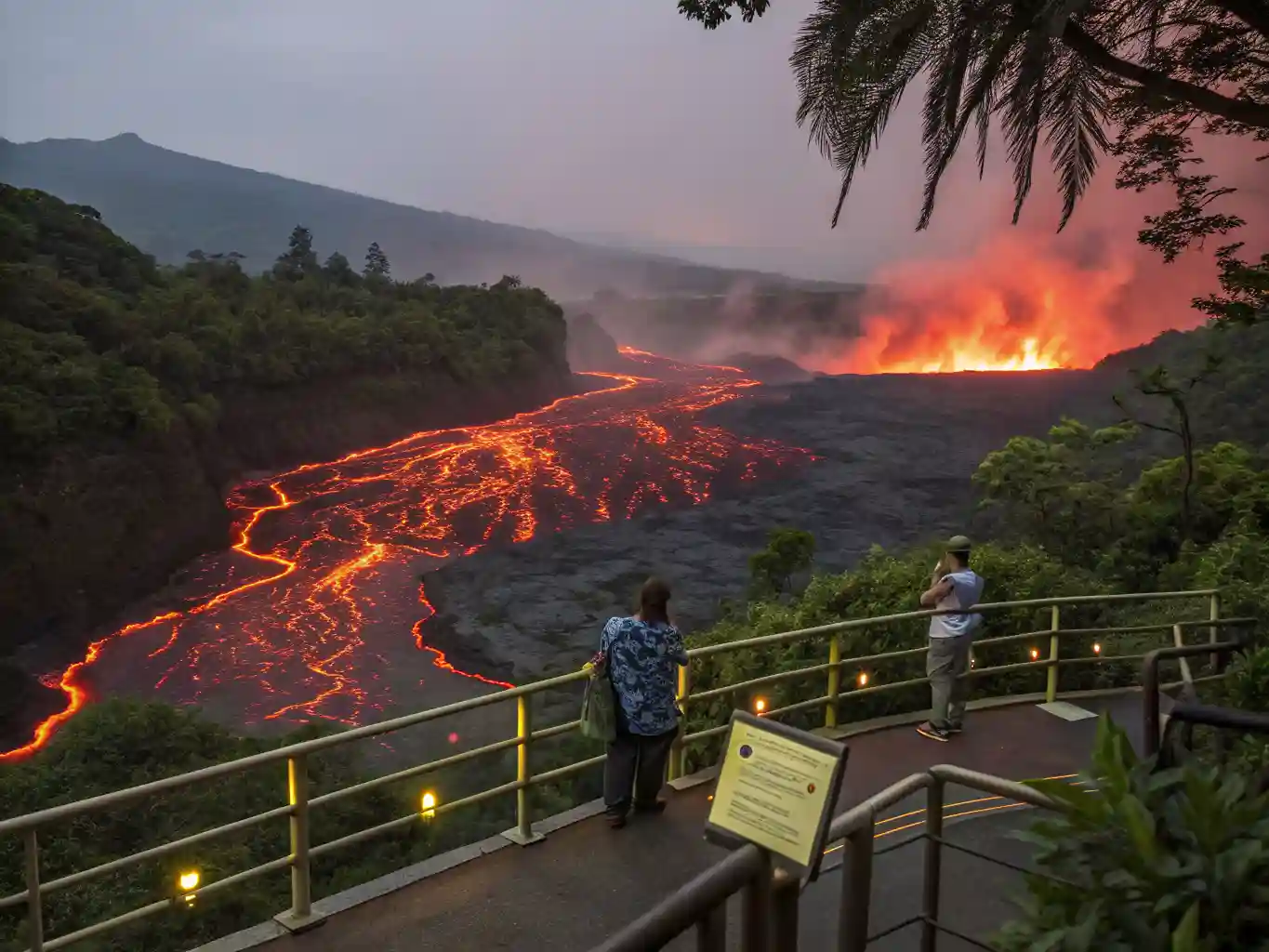
On the Big Island, Hawaiʻi Volcanoes National Park offers a completely different kind of romantic experience. It is not soft or traditionally pretty in every place, but it is powerful. Walking near volcanic landscapes, seeing steam vents, driving through changing terrain and learning how the islands are formed can make a couple feel small in the best possible way. Conditions around volcanic activity can change, so safety information should be checked before visiting. The park deserves attention and respect, not just a quick photo stop.
Kauai is ideal for couples who want a date shaped by cliffs and ocean. A Nā Pali Coast boat tour, when weather and sea conditions allow, can be unforgettable. The coastline is dramatic from photographs, but seeing it from the water gives it scale: folds of green cliffs, hidden beaches, sea caves and light moving across the ridges. For couples prone to seasickness, a calmer alternative may be a lookout, a coastal walk or a helicopter tour with a reputable operator, though each option has its own cost and comfort level.
Food can also become an unusual date when it moves beyond a standard restaurant dinner. Couples can visit a farmers market, choose fruit they do not usually eat, buy local coffee, and build a casual breakfast on a beach or balcony. On the Big Island, coffee farms add a slower, more sensory element to a romantic itinerary. On Maui and Oahu, food trucks and small local spots can make lunch feel more spontaneous than a reservation-heavy trip. The point is not to treat food as a checklist, but to let taste become part of the memory.
Couples who enjoy learning together can look for lei-making classes, hula performances presented with cultural care, botanical gardens, ukulele lessons, farm visits or guided nature walks. Experiences connected to Hawaiian culture should be approached with humility. They are not props for a romantic fantasy; they are living traditions. A respectful couple listens, asks thoughtful questions and avoids turning sacred or meaningful practices into costume-like entertainment.
Some of the most memorable dates are simple ideas with a local twist:
- Watch sunrise with hot coffee, then return to the hotel for a slow second breakfast.
- Choose one scenic road and stop only when both people genuinely want to, rather than chasing every viewpoint.
- Take a beginner surf lesson together and accept that falling is part of the fun.
- Book a couples massage after a hiking day, not at the beginning of a packed schedule.
- Spend one evening without a restaurant reservation and build dinner from a market, bakery and beach picnic.
- Visit a garden after rain, when the colors are richer and the air feels fresh.
- Plan a stargazing night with warm clothes, snacks and no rush back to nightlife.
These dates work because they create a story. A perfect table at a famous restaurant can be lovely, but couples often remember the stranger moments more vividly: laughing after a failed surf attempt, eating pineapple in the car while rain hits the windshield, or realizing that a cloudy sunset has become more beautiful than the clear one they imagined.
How to make a couples itinerary feel effortless
A romantic Hawaii trip can become stressful when the itinerary tries to prove too much. The islands look compact on a map, but roads, weather, parking, crowds and changing ocean conditions shape every day. Couples should build plans around energy, not only distance. A route that looks easy in a travel app may feel tiring after jet lag, heat, a swim, a hike and a late dinner.
The strongest approach is to choose one main experience per day and let everything else support it. If the day is built around Haleakalā, the rest of the schedule should be gentle. If the plan is the Road to Hāna, dinner should not depend on returning at an exact time in formal clothes. If the goal is a Nā Pali boat tour, the couple should avoid stacking major activities before and after it. Hawaii rewards spacious planning because the best moments often appear between scheduled stops.
Accommodation location matters for romance more than many couples expect. A beautiful hotel can lose some of its charm if every dinner or beach visit requires a long drive. On Oahu, staying in or near Waikīkī makes dining and transportation easier, while quieter areas offer more calm but less convenience. On Maui, Wailea feels different from Lahaina, Kāʻanapali or Upcountry. On Kauai, the north and south shores can have different weather and different moods. On the Big Island, Kona and Hilo feel like different travel styles altogether.
Couples should also talk honestly about pace before the trip. One person may imagine sunrise hikes and snorkeling; the other may imagine sleeping late and reading by the pool. Hawaii can hold both desires, but not if every day becomes a negotiation in the car. A good romantic itinerary leaves room for separate preferences without making either person feel ignored. One adventurous morning can be balanced by an unplanned afternoon. One elegant dinner can be balanced by a low-key food truck night.
Weather should be treated as part of the islands, not as a failure of the plan. Rain can be brief, local and beautiful. Wind may change beach choices. Surf can make one coast unsafe while another remains calm. Couples who keep flexible alternatives usually have a better trip than those who cling to a fixed schedule. A rainy hour can become a coffee stop, a garden visit, a spa appointment or a slow drive through a greener landscape.
Budget also shapes the mood. Hawaii can be expensive, but romance does not have to depend on the highest-priced experiences. A luxury resort, helicopter tour or private dinner can be wonderful for couples who value them, yet some of the most powerful moments are free or inexpensive: sunset, early morning swims, scenic overlooks, quiet trails, farmers markets and long coastal walks. The wisest couples decide where to spend generously and where to keep things simple.
A well-balanced couples itinerary might alternate between comfort and discovery. A beach day, then a mountain or volcano day. A restaurant evening, then a picnic. A famous sight, then a quieter local town. This rhythm prevents the trip from feeling either too lazy or too exhausting. Romance grows when both people feel present, rested and open to the place.
Respect, safety and the deeper side of romance
Romance in Hawaii is closely tied to respect. The islands are not only a beautiful destination; they are home to communities, sacred places, fragile ecosystems and cultural traditions that deserve care. Couples who understand this often have a richer trip because they are not just consuming scenery. They are paying attention.
Respect begins with land and ocean safety. Beaches can change quickly, and calm-looking water may hide currents, reef, shorebreak or sudden depth. Couples should read signs, listen to lifeguards, avoid turning their backs on the ocean, and skip risky photos near cliffs or powerful waves. A romantic moment is never worth ignoring local warnings. The same is true for hikes, volcanic areas and high-elevation viewpoints. Staying on marked paths protects both visitors and the landscape.
Reef-safe behavior matters as well. Couples should avoid touching coral, standing on reef, chasing marine life or crowding turtles and monk seals. Seeing wildlife can be magical, but distance is part of the experience. The ocean feels more romantic when it is treated as a living place rather than a backdrop.
Cultural respect is just as important. Hawaiian words, stories, dances, chants and sacred sites carry meaning. Visitors do not need to become experts before arriving, but they should bring curiosity and humility. Learning a few place names, understanding that not every beautiful site is appropriate for casual behavior, and supporting local businesses can make a trip feel more connected. Romance becomes deeper when it includes gratitude for where the couple is, not only pleasure in what the place gives them.
Photography deserves a little thought too. Hawaii is extremely photogenic, and couples naturally want beautiful images. Still, the pressure to capture everything can weaken the experience. Some moments should be photographed; others should be lived. A good habit is to take a few pictures early, then put the phone away during the best light, the meal, the walk or the conversation. The most meaningful memory may be the one that is not interrupted by posing.
Couples can also choose more responsible forms of romance by avoiding overcrowded sensitive spots, booking with reputable operators, respecting private property and supporting experiences that value education, safety and local knowledge. A guided tour can be more meaningful than doing everything alone when it helps visitors understand the land and culture with greater care.
The deeper side of romance in Hawaii is the feeling of being changed by the place together. It is not only the dramatic sunset or the perfect beach. It is the shared realization that beauty can be quiet, that nature is stronger than schedules, and that the best travel memories often come from attention rather than performance.
Final thoughts
Hawaii is one of the world’s great destinations for couples because it offers many versions of romance. It can be luxurious, adventurous, peaceful, playful or deeply reflective. The same trip can include a resort sunset, a volcanic landscape, a rain-washed garden, a boat ride beneath cliffs and a simple breakfast with ocean air coming through the window.
The best couples’ journey through Hawaii is not built from a rigid list of famous places. It is shaped by mood, timing, respect and the willingness to slow down. Choose the island that fits the relationship, plan a few unforgettable experiences, leave space for ordinary moments, and let the islands do what they do best: turn light, water, wind and silence into memories that feel personal.