
A guide to Hawaii Volcanoes National Park
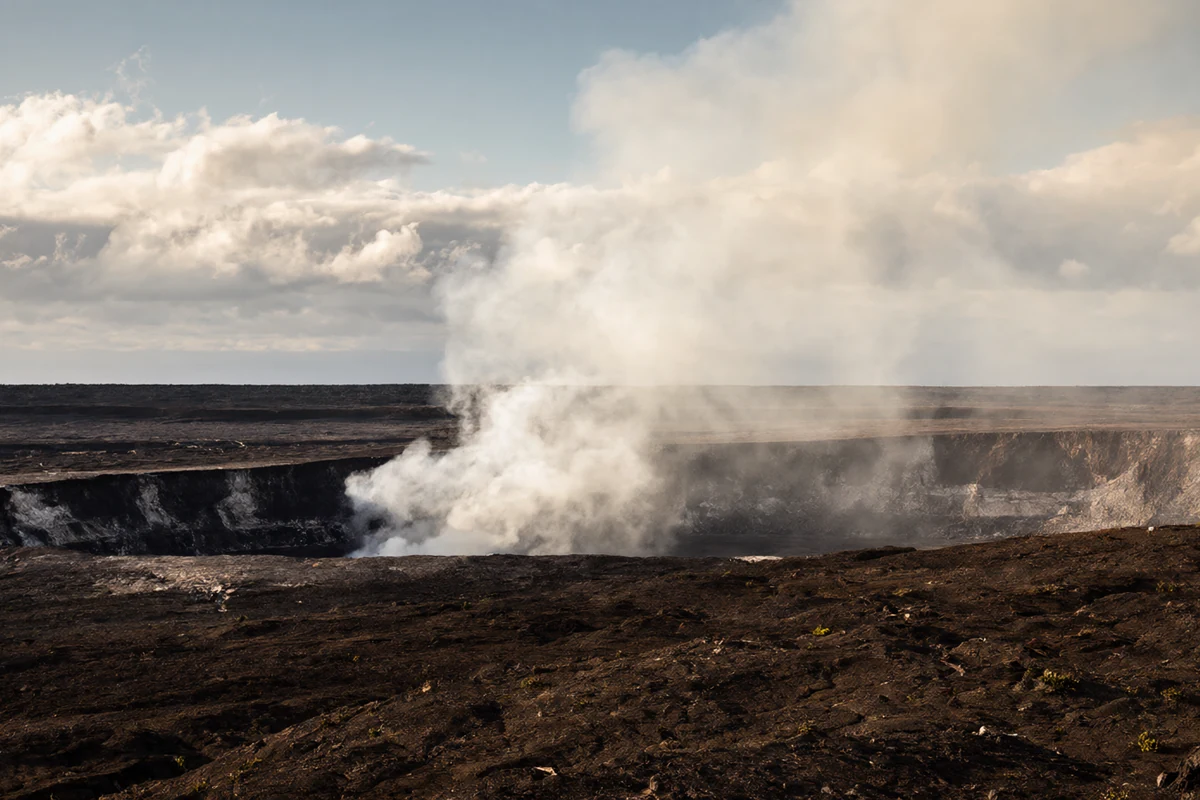
Hawaii Volcanoes National Park protects two of the most active volcanoes on earth, Kilauea and Mauna Loa, and it is one of the few places where you can stand on a landscape that is still being written. The park is huge, the weather changes quickly, and the best sights are spread along a long road, so a little planning goes a long way. This guide explains what to see, how to move around, and how to stay safe in a place shaped by fire.
What makes the park special
The park sits on the southern tip of the Big Island, where the island is still growing. Kilauea is one of the most active volcanoes in the world, and its eruptions have repeatedly reshaped the summit and the coastline within living memory.
Because the ground is young, the scenery is raw rather than gentle. You walk across hardened lava fields, look into steaming craters and pass through rainforest that has crept back over older flows. It is a landscape of contrasts, where black rock meets green fern and cold mist.
The park is also a place of deep cultural meaning. For many Hawaiians the summit area is sacred, associated with the goddess Pele. Visitors are asked to treat the land, the offerings they may see and the silence of the place with respect.
Driving the Crater Rim and Chain of Craters
The main road, Crater Rim Drive, loops around the summit caldera and offers several short walks to viewpoints, steam vents and the edge of the crater itself. Many of these stops take only fifteen or twenty minutes and together they fill an easy half day.
Chain of Craters Road runs downhill toward the sea through a series of older and newer flows. The road descends for many kilometres to the coast, where it ends where lava once crossed it. The drive is long, so allow time and carry water, as there are no services along the way.
At the coast you can see sea arches, cliffs and, in places, the marks of eruptions that reached the ocean. Conditions and closures change with volcanic activity, so check the park's current alerts before you commit to the longer drives.
Lava tubes, craters and steam vents
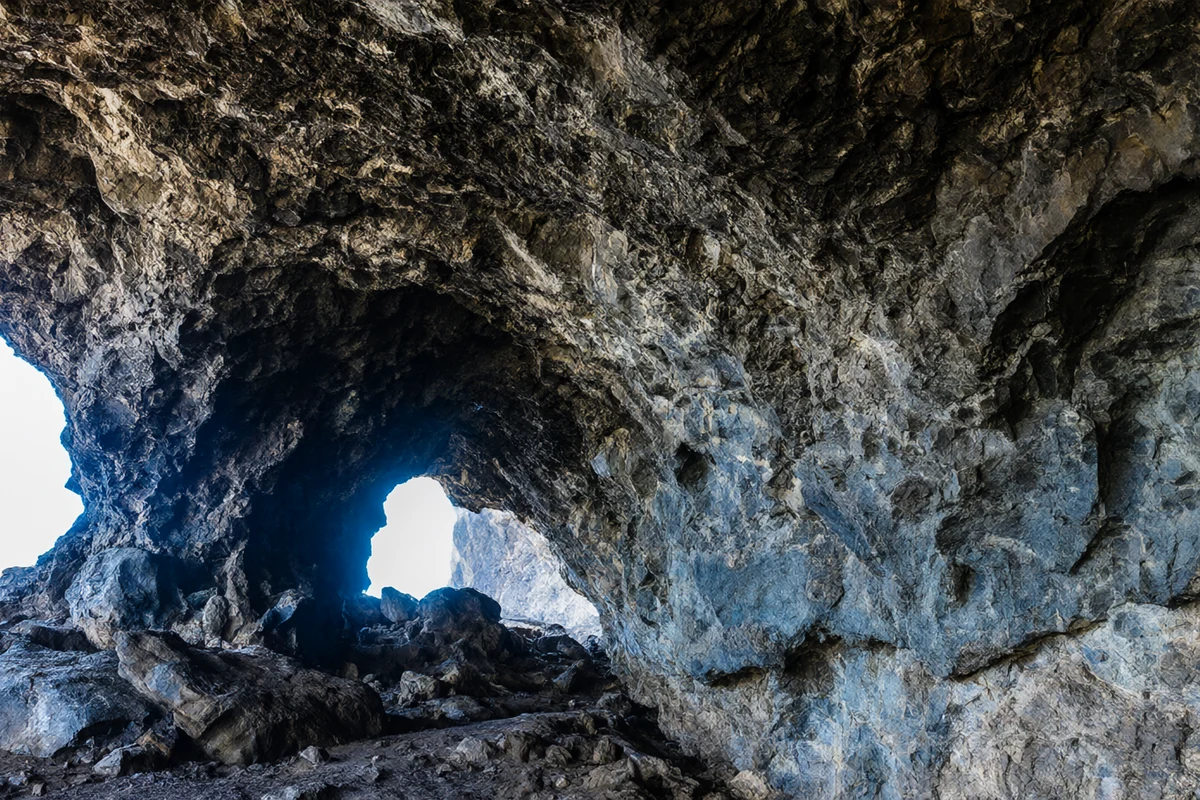
One of the easiest wonders to visit is a lava tube, a natural tunnel left behind when the surface of a lava flow cooled while the molten centre kept moving. Walking through it feels like stepping into a cave, and the temperature drops sharply once you are inside.
Steam vents along the crater rim show where rainwater meets hot rock below the surface. They are safe to view from the marked areas, but the ground near them can be thin and unstable, so stay on the trail and behind the barriers at all times.
For a longer hike, the trails across the caldera and through the rainforest reward those who set off early. Distances are longer than they look on a map, and the altitude and heat can tire you faster than expected, so pace yourself and turn back if the weather closes in.
| Sight | What it is | Time needed | Note |
|---|---|---|---|
| Summit caldera | Main crater and overlooks | Half a day | Steam vents, easy walks |
| Lava tube | Natural tunnel in a flow | 30 minutes | Cool, dark, uneven floor |
| Chain of Craters Road | Long drive to the sea | 2 to 3 hours | No services, carry water |
| Coastal arches | Cliffs and sea arches | 1 hour | Closures change often |
| Rainforest trails | Hikes through old flows | Half day or more | Start early, watch weather |
Weather, altitude and what to pack
The summit area sits well above sea level and can be cool, windy and wet even when the coast is warm and sunny. Visitors are often surprised by how cold it feels, so bring a jacket, long trousers and closed shoes rather than beach clothes.
Rain is common and can arrive without much warning, while volcanic gases are more noticeable when the wind drops. People with breathing difficulties should take extra care and follow any park advice about affected areas on the day of their visit.
Fuel, food and water are limited inside the park, so fill up in the nearby town before you arrive. A torch is useful for the lava tube, and a hat and sun protection matter whenever the clouds clear and the sun comes out over the open lava.
Viewing eruptions responsibly
When Kilauea is erupting, the park may offer safe viewing areas where visitors can see glowing lava or a plume from a distance. These viewpoints change with the eruption, and rangers will direct visitors to the places that are currently open and safe.
It is never acceptable to cross closed barriers, walk on fresh flows or approach active vents. The crust over moving lava can be thin, the ground can collapse, and the gases can be harmful. The best views are always from the marked overlooks.
If you hope to see an eruption, accept that nature sets the schedule. Some visitors see nothing but mist; others are lucky enough to watch a fountain of lava at dusk. Either way the park is worth the trip for its scale and its story.
Planning your day
Arrive early, when the light is soft and the car parks are still empty, and start with the summit stops before driving down to the coast. This order keeps you on the higher ground in the cooler part of the day and leaves the long descent for the afternoon.
Allow at least a full day, and more if you plan to hike. Check the park alerts the evening before and again in the morning, because closures and viewing areas can change overnight. A little flexibility is the key to a good visit.
- Check the park alerts before you travel, as closures change with volcanic activity.
- Bring a jacket and closed shoes, even if the coast is warm and sunny.
- Fill the fuel tank and carry water, as services inside the park are limited.
- Stay on marked trails and behind every barrier at all times.
- Never walk on fresh lava or approach an active vent.
- Treat the summit area as sacred and leave offerings undisturbed.
Hawaii Volcanoes National Park is not a place you rush. Give it a full day, respect the warnings, and you will come away with a sense of how young and how powerful these islands really are.
Read next
Best beaches and swimming spots on Oahu
Where to swim, snorkel and watch the sunset, from Waikiki to the windward and north shores.
Snorkelling and diving in Hawaii
Reefs, turtles and volcanic seascapes, plus how to choose a safe spot and gear.
Hiking trails and lookouts in Hawaii
From crater rims to rainforest waterfalls, the island walks worth your morning.