
Hiking trails and lookouts in Hawaii
Hawaii is a hiker's destination hiding in plain sight, known for its beaches but built from volcanic mountains, deep valleys and rainforest ridges. The trails range from short paved walks to a lookout to full day climbs up steep volcanic slopes, and many of the best reward only a few hours of effort. This guide covers the classic walks, the lookouts that need no hiking at all, and the safety basics for this terrain.
Easy walks with big views
Not every good walk needs to be hard. Several short trails lead to crater rims, coastal overlooks and old lava fields that can be covered in an hour, and these are ideal for families or for a day when the weather is unsure.
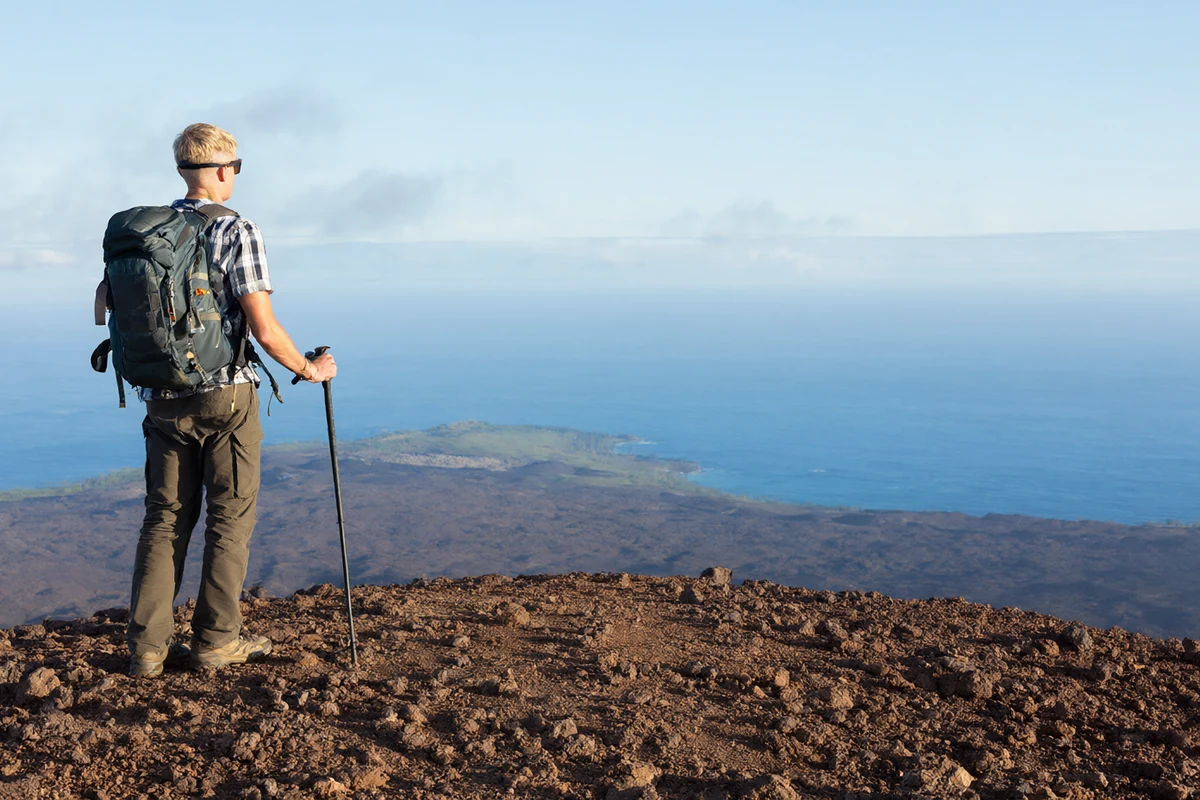
A morning at a summit viewpoint often gives the clearest skies, before the clouds build over the mountains. Bring a layer for the wind and a little water, because even a short walk at altitude can feel colder and thirstier than expected.
Some of the most photographed lookouts are reached by car alone, with a short walk from the car park. These spots are perfect at sunset, though the drive back down winding roads is best done before full dark.
Rainforest and waterfall trails
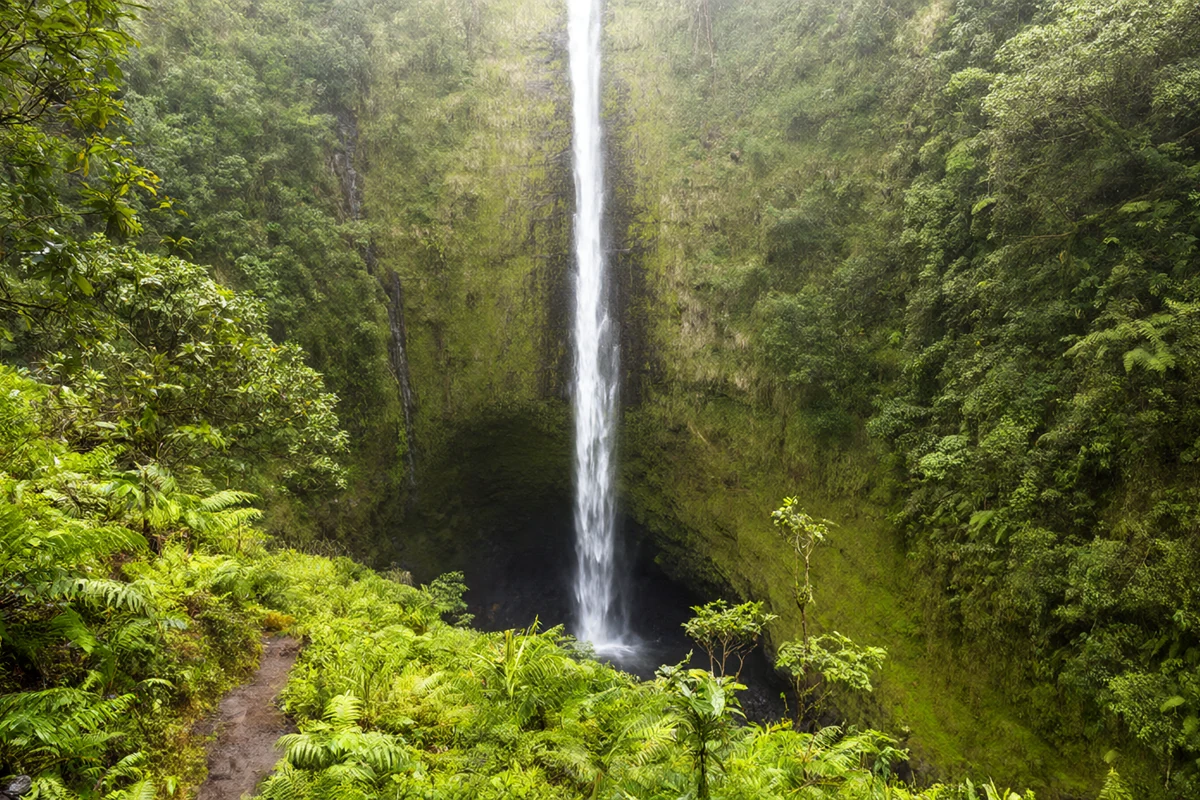
The wetter slopes of the islands carry lush rainforest and, after rain, ribbons of water falling over cliffs. Trails to these falls are often muddy and slick, so sturdy shoes and a little caution matter more than speed.
Paths thread between bamboo groves, tree ferns and streams, and the air feels cool after the heat of the coast. Because it rains often here, a light rain jacket earns its place in your bag, and a spare pair of shoes is a small luxury back at the car.
Water levels can rise suddenly after heavy rain, and flash flooding is a genuine risk in narrow valleys. If the stream is running hard or the sky upstream is dark, turn back rather than press on to the falls.
The classic crater and ridge climbs
The signature hike on Oahu climbs to the rim of a volcanic crater for a panorama over the coast and city below. It is short but steep, with stairs and uneven ground, and it fills early, so an early start makes the whole experience better.
Ridge trails offer a different challenge, climbing steadily along knife edge paths with long views on both sides. These routes are exposed to sun and wind and demand more fitness and balance than the distances suggest.
On the Big Island and Maui, longer trails cross old lava fields and climb high peaks, some of them near the tree line where the weather turns quickly. These are rewarding but serious walks that need planning, water and a realistic idea of your own ability.
| Trail | Difficulty | Time | Highlights |
|---|---|---|---|
| Crater rim walk | Easy | 1 hour | Summit views, history |
| Coastal overlook | Easy | 30 minutes | Sea cliffs, sunsets |
| Waterfall trail | Moderate | 2 hours | Rainforest, falls |
| Volcanic ridge | Hard | Half day | Exposed ridges, panoramas |
| High peak trail | Hard | Full day | Altitude, old flows |
Safety on Hawaiian trails
The main hazards are heat, mud and sheer drops. Trails can be narrow with glassy rock and loose scree, so move slowly where the surface is poor and keep your hands free where you might need them for balance.
Never rely on a phone for navigation, as coverage disappears in many valleys and forests. Tell someone where you are going and when you expect to return, and carry more water than the walk appears to demand.
Respect closures and private land. Some trails cross sensitive cultural sites or working farmland, and signs are there for a reason. If a path is chained off, choose another route rather than stepping around the barrier.
Lookouts without the hike
For those who prefer not to walk far, the islands offer dramatic viewpoints close to the road. Coastal lookouts, volcanic craters, valleys and waterfalls can all be seen from platforms and car parks, often with just a short stroll.
Arriving at dawn or late afternoon gives the finest light and the thinnest crowds. Midday tour traffic can fill the smaller lookouts, so build a little flexibility into any day that depends on a specific viewpoint.
What to carry
The essentials are simple: water, sun protection, a light rain layer, sturdy footwear and a small snack. A basic first aid kit and a torch are worth having for longer routes, and a dry bag keeps valuables safe when the trail turns wet.
Pack out everything you bring in. These trails are treasured by residents as well as visitors, and keeping them clean is part of enjoying them well. Leave the plants, rocks and views exactly as you found them.
- Start early to beat the heat, the clouds and the crowds.
- Wear sturdy shoes for mud and loose rock, and bring a rain layer.
- Carry more water than the walk seems to need, and tell someone your plan.
- Turn back if a stream runs high or the weather closes in upstream.
- Respect closures, barriers and all cultural or private land.
- Pack out everything you bring, and leave the trail as you found it.
Hawaii's trails show you a side of the islands that the beaches cannot. Pick a walk that matches your fitness, start early, and the views from the top will more than repay the effort it took to reach them.
Read next
Best beaches and swimming spots on Oahu
Where to swim, snorkel and watch the sunset, from Waikiki to the windward and north shores.
A guide to Hawaii Volcanoes National Park
Kilauea, craters, lava tubes and how to plan a safe visit to the Big Island park.
Snorkelling and diving in Hawaii
Reefs, turtles and volcanic seascapes, plus how to choose a safe spot and gear.