
Snorkelling and diving in Hawaii
The sea around Hawaii is as varied as the islands themselves. Sheltered bays hold gentle reefs full of fish, while offshore walls, caverns and lava formations draw divers from around the world. Because the water is warm for much of the year and visibility is often excellent, snorkelling and diving are among the most rewarding things you can do on a visit. This guide covers the main kinds of site, the gear that suits each one, and the habits that keep you safe.
Why Hawaiian waters are special
Hawaii sits far from any continent, so its marine life evolved in isolation. A high proportion of the fish and corals found on these reefs live nowhere else, which makes even a shallow snorkel feel like a visit to another world.
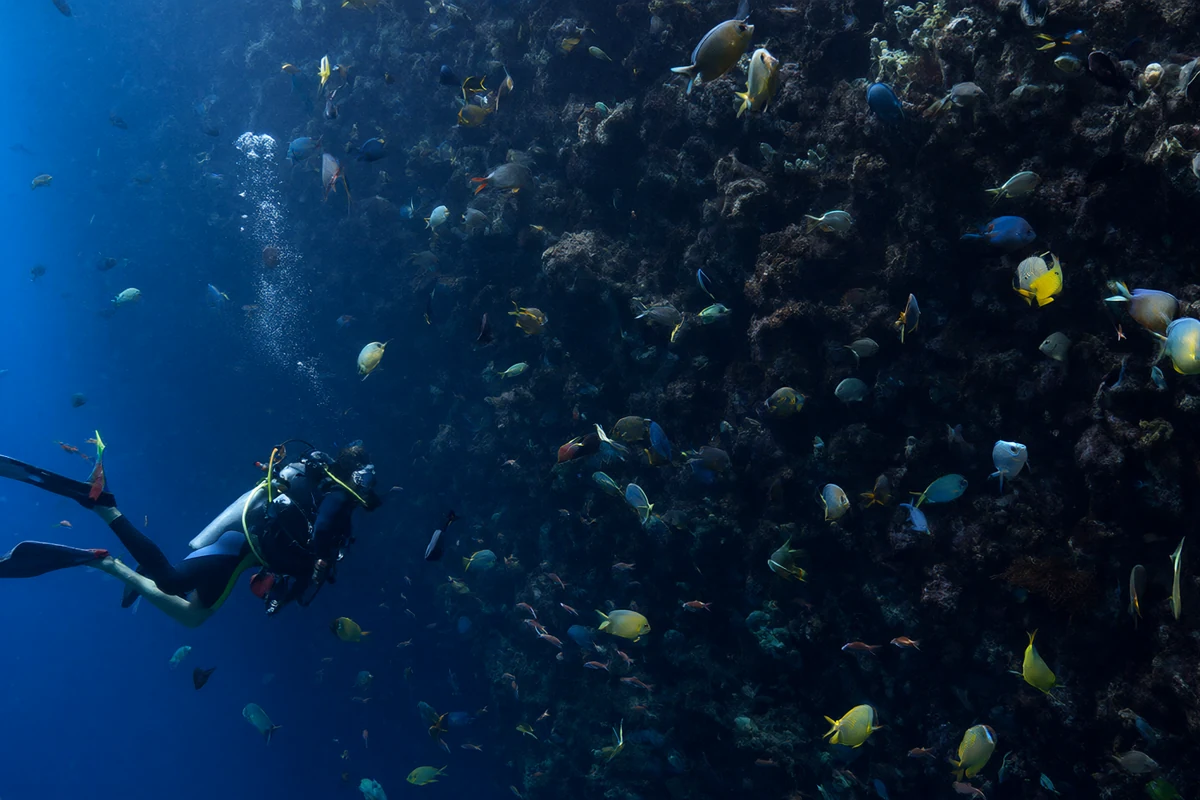
The islands are volcanic, and that shapes the underwater landscape. Instead of the flat reefs of many tropical destinations, you find lava fingers, arches, caverns and steep drop offs, all colonised by coral and swarming with fish.
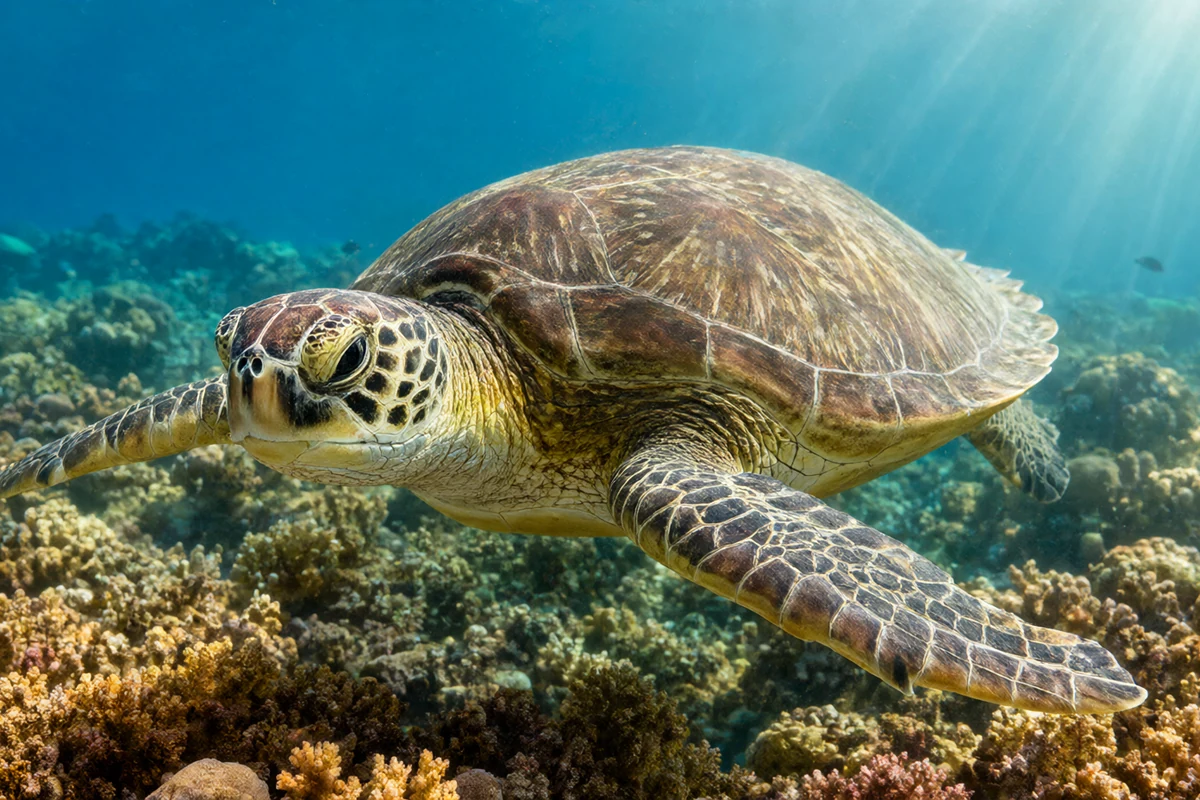
Green sea turtles are common on many reefs and are a highlight for snorkellers. They are protected, and the rule is simple: keep your distance, never chase or touch them, and let them come and go as they please.
The best snorkelling bays
The calm, protected bays on the west and south coasts are the easiest places to start. Their reefs are shallow, the water is usually clear, and the entry is often from a sandy beach rather than rocks, which suits beginners and families.
Some bays are marine reserves with limited entry and conservation rules. These are the richest sites, precisely because they are protected, and the restrictions keep crowds low. Check opening days and arrival rules before you plan a morning there.
For stronger swimmers, the rocky points between the main beaches open up into deeper water where the reef is livelier. These spots are best in calm conditions at high tide, and they reward anyone willing to swim a little further from the sand.
Diving the walls, caverns and wrecks
Experienced divers come to Hawaii for its dramatic underwater terrain. Vertical walls drop into deep water, lava tubes form swim through caverns, and a handful of wrecks and artificial reefs add history and structure to the dive sites.
Many of the best dives are reached by boat, which allows access to offshore pinnacles and sites beyond the reach of shore divers. Local operators run both guided trips and certification courses, and conditions are generally manageable for those with a reasonable level of experience.
Night dives are popular for a different reason: the reef comes alive after dark with creatures that hide by day. If you have never dived at night, a guided introduction in familiar, sheltered water is the sensible way to try it.
| Site type | Best for | Access | Note |
|---|---|---|---|
| Sheltered bay | Beginners, families | From the beach | Calm, shallow reef |
| Marine reserve | Rich marine life | Limited, timed entry | Rules protect the reef |
| Rocky point | Stronger swimmers | Short swim out | Best at high tide |
| Offshore wall | Experienced divers | By boat | Guided trips advised |
| Lava cavern | Certified divers | By boat or shore | Never enter without a guide |
Choosing gear and a good operator
For snorkelling, a well fitting mask and fins make more difference than any other piece of kit. A mask that leaks will ruin a session, so test the seal before you swim. Many visitors find that a rash guard is more comfortable than sunscreen in the water.
If you dive, choose an operator with a clear safety record, small groups and proper equipment. Ask about the ratio of guides to divers, the depth and conditions planned for the day, and whether the boat has oxygen and a first aid plan on board.
Renting gear is easy on all the main islands, but if you are spending several days in the water it can be worth bringing your own mask, snorkel and fins. They pack small and remove any doubt about fit.
Safety and reef etiquette
The sea can change quickly, and even calm looking water can carry a current. Swim with a buddy, watch the surface conditions, and stay within your limits rather than trying to keep up with someone more experienced.
Never stand on coral or swim through a tight passage where you cannot see the surface. Coral is fragile and slow growing, and a single careless fin kick can damage decades of growth. Keep a little height above the reef and move slowly.
Sunscreen, even the reef safe kind, should go on well before you enter the water, and a long sleeved top is a better option for long sessions. Take nothing from the sea, and leave only bubbles behind.
When to go
Water temperatures stay pleasant for most of the year, which means diving and snorkelling are possible in every season. The calmest seas for the south and west coasts tend to fall in the summer months, when the swell is smallest.
Whatever the season, mornings usually offer the clearest water and the lightest winds. An early start also beats the tour buses to the most popular bays, which fills them by mid morning on fine days.
- Test your mask seal before you swim, and rent good fins if you do not own them.
- Swim with a buddy and stay within your own limits at all times.
- Keep a little height above the reef and never stand on coral.
- Give turtles and other wildlife plenty of space and never touch them.
- Check the day's conditions and arrive early for the clearest water.
- Take nothing from the sea and leave no rubbish behind.
Snorkelling and diving turn a Hawaii holiday into something richer. Start with an easy bay, respect the rules that protect the reef, and the underwater islands will give you views you will remember long after you dry off.
Read next
Best beaches and swimming spots on Oahu
Where to swim, snorkel and watch the sunset, from Waikiki to the windward and north shores.
A guide to Hawaii Volcanoes National Park
Kilauea, craters, lava tubes and how to plan a safe visit to the Big Island park.
Hiking trails and lookouts in Hawaii
From crater rims to rainforest waterfalls, the island walks worth your morning.