
Best beaches and swimming spots on Oahu
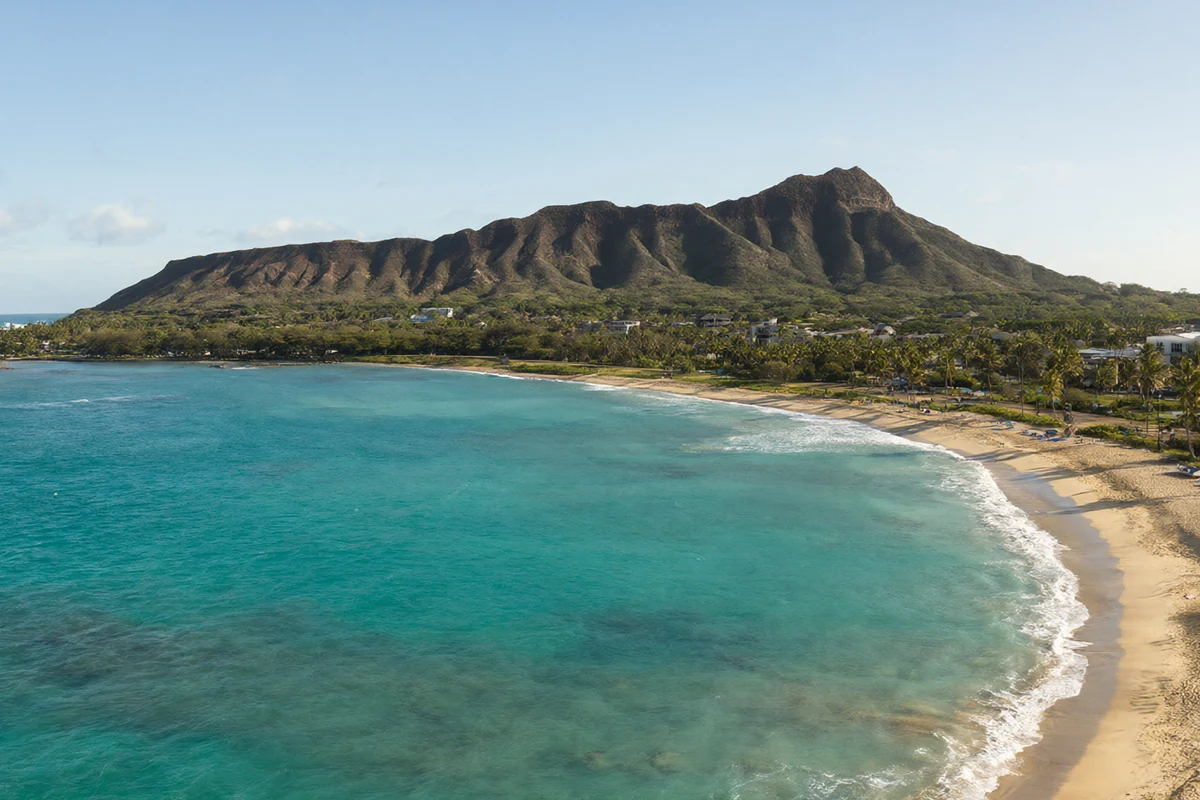
Oahu fits an extraordinary range of coastline into a single island. Within an hour of the hotels you can move from the sheltered, resort backed sands of Waikiki to the powerful winter surf of the north shore and the calm, reef protected bays of the windward side. The trick is to match the beach to the season, the tide and your own comfort in the water. This guide looks at the best known stretches of sand, what each one is good for, and how to enjoy them safely.
Waikiki and the south shore
Waikiki Beach is the most convenient place to swim on the island. A shallow reef offshore softens the incoming swell, so the water is usually gentle enough for children and for first time visitors. The beach runs for well over a kilometre, and the calmest sections tend to be toward the Diamond Head end, where the reef sits further out.
Because the sand is so central, expect crowds, especially in the late morning. Early risers get glassy water, space to swim and a clear view back toward Diamond Head. Outrigger canoes and surf schools launch from the middle of the bay, so keep an eye out for craft crossing the swimming zone.
Just east of Waikiki, the small coves around the base of Diamond Head are quieter and popular with local families. Parking is limited, so an early arrival or a walk along the coastal path is the easiest way to reach them. The beach park at Ala Moana, further west, is another calm option with shade and lawns.
Hanauma Bay and the snorkelling coves
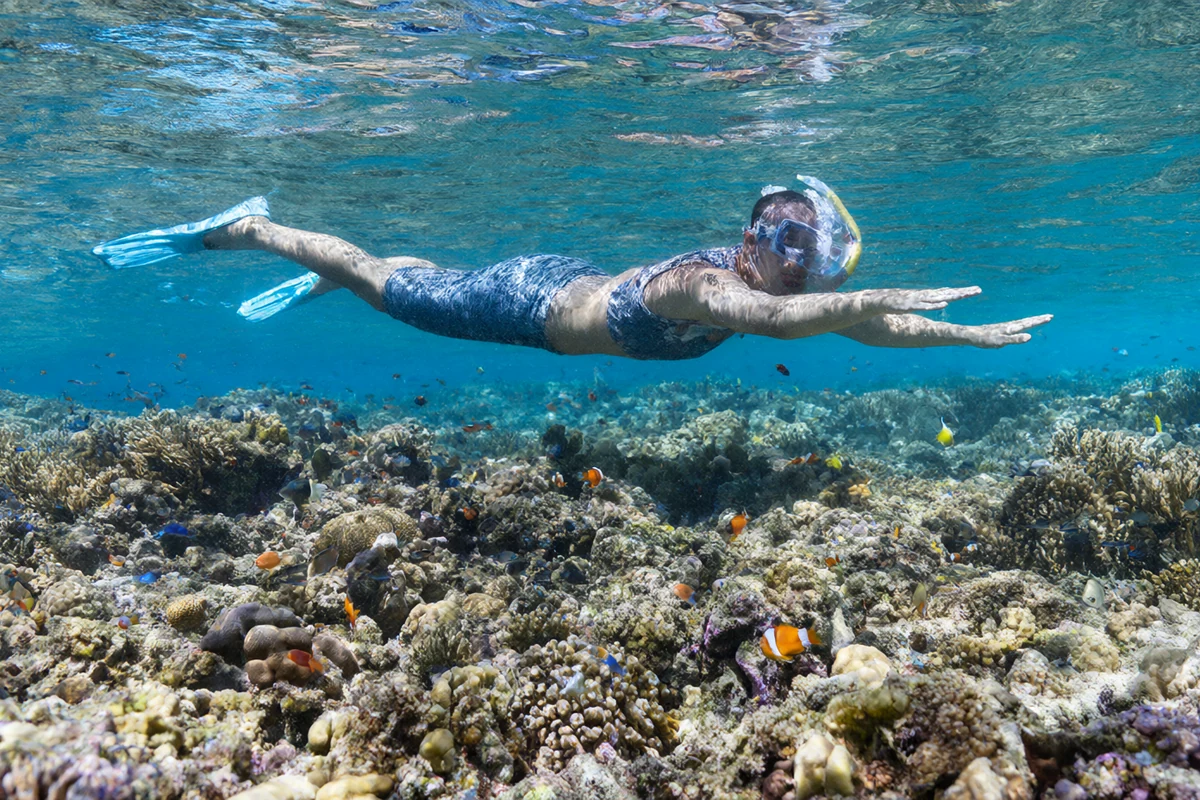
Hanauma Bay is the island's best known snorkelling spot and a protected marine reserve. The water inside the bay is shallow and clear, and the reef shelters it from the open ocean, which makes it a good choice for beginners and for anyone who wants to see fish without a long swim.
Entry is limited and timed to protect the reef, and the park closes on certain days, so check the current schedule before you set out. Visitors watch a short conservation film before heading down to the sand, and a shuttle runs between the car park and the beach for those who prefer not to walk.
Away from the bay, several small coves along the south and west coasts offer simpler access without the queues. These spots are best at high tide and in calm weather, because their entries are rocky and can be slippery underfoot. Reef shoes make a real difference here.
The windward coast: Kailua and Lanikai
The windward side of Oahu is greener and wetter than the south, and its beaches reflect that. Kailua Beach Park is a long curve of soft sand with water that is often calmer than the north shore, framed by two small offshore islands that make natural targets for a short paddle.
Neighbouring Lanikai is the postcard beach of the windward coast, with pale sand and water in shades of turquoise. There is no lifeguard on duty at all times and almost no shade, so bring water and sun protection. Kayak and stand up paddle board rentals are available close by.
Trade winds blow here through most afternoons, which is good news for sailors and windsurfers but can make paddling harder for beginners. Mornings are usually the calmest window, and the light is at its best before the clouds build over the mountains behind the bay.
| Beach | Best for | Water | Worth knowing |
|---|---|---|---|
| Waikiki | First swims, families | Gentle, reef protected | Central, busy, easy access |
| Hanauma Bay | Snorkelling beginners | Clear, shallow | Timed entry, closed some days |
| Kailua / Lanikai | Kayaking, calm days | Usually calm | Little shade, windy afternoons |
| Sunset Beach | Watching winter surf | Dangerous in swell | Experts only in winter |
| Waimea Bay | Summer snorkelling | Calm in summer | Transforms between seasons |
Sunset Beach and the north shore
The north shore is famous for big winter surf, and the beaches there are spectacular to watch even when they are far too dangerous to enter. Sunset Beach, Ehukai and Waimea Bay all host world class waves between roughly November and February, drawing crowds and competitions.
During those months the shore break and rip currents are powerful and the water is only for expert surfers. Signs and lifeguards warn visitors when conditions are unsafe, and it is wise to take the warnings seriously rather than judge the sea by how it looks from the sand.
In summer the same beaches transform. The swell drops, the water turns calm and clear, and the rocky reefs offshore become excellent snorkelling grounds. Waimea Bay in particular is a completely different place in July than it is in January.
Swimming safely in Hawaiian waters
Hawaii's ocean deserves respect at any time of year. Currents can be strong, the shore break can knock an adult off their feet, and the drop from shallow reef to deep water can be sudden. Swim near a lifeguard when one is on duty, and never turn your back on the sea.
Rip currents are the main danger for swimmers. If you are caught in one, stay calm, do not fight straight back to shore, and swim parallel to the beach until you leave the current, then angle back in. Lifeguards post daily condition boards, and checking them takes only a moment.
When to go and what to bring
The south and windward beaches are at their best in summer, when the water is calm and the days are long. The north shore comes into its own in the same months for swimming, even as winter is the season for watching the surf from a safe distance.
Wherever you go, carry more water than you think you need, wear reef safe sun protection, and bring a light layer for the windward side, where showers arrive quickly and pass just as fast. A pair of reef shoes and a dry bag will cover most days on the coast.
- Check the lifeguard condition board before you enter the water.
- Swim in the morning when the sea is calmest and the beaches are quiet.
- Bring reef shoes for rocky entries and a dry bag for valuables.
- Never swim alone, and keep children within arm's reach.
- Watch for rip currents and swim parallel to shore if caught in one.
- Leave the reef and wildlife untouched, and take all rubbish away.
Oahu's beaches are the reason most people come, and a little judgement turns a good day into a great one. Match the beach to the season, respect the ocean, and leave time for the quiet coves as well as the famous names.
Read next
A guide to Hawaii Volcanoes National Park
Kilauea, craters, lava tubes and how to plan a safe visit to the Big Island park.
Snorkelling and diving in Hawaii
Reefs, turtles and volcanic seascapes, plus how to choose a safe spot and gear.
Hiking trails and lookouts in Hawaii
From crater rims to rainforest waterfalls, the island walks worth your morning.