
Driving the road to Hana and its waterfalls
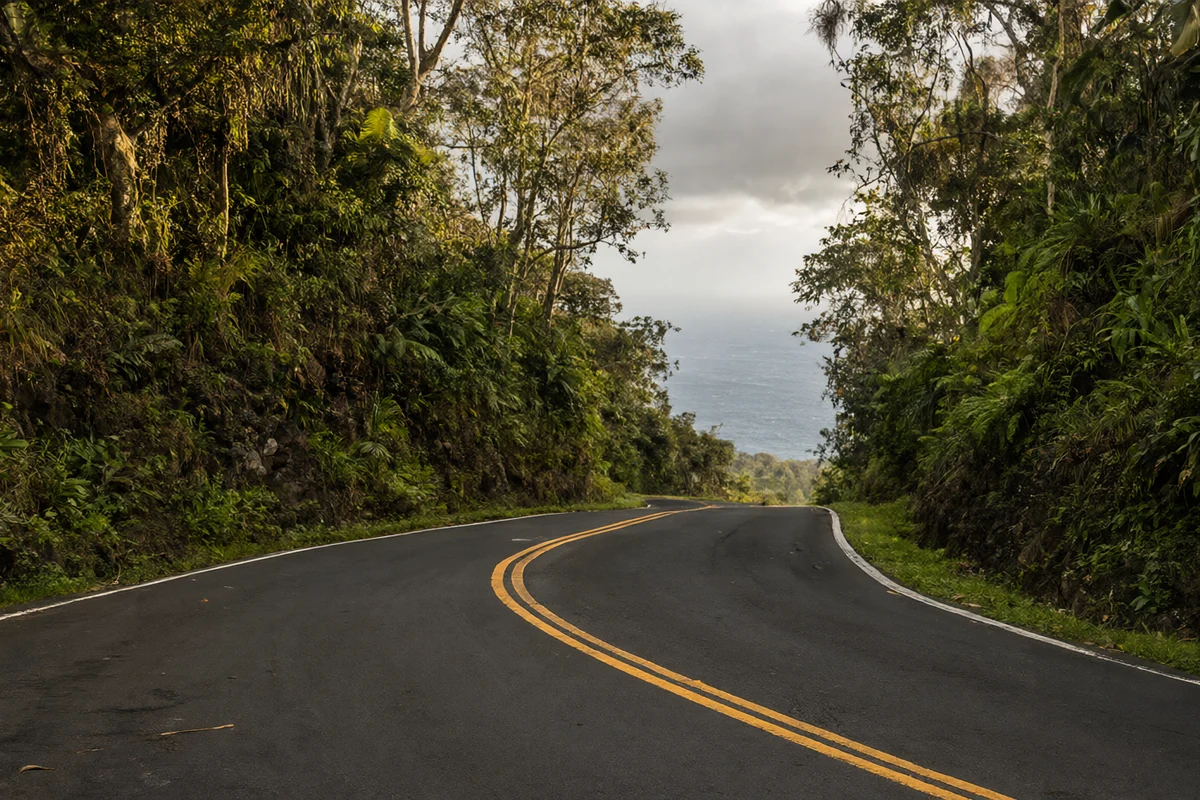
The road to Hana is one of the world's great coastal drives, a narrow ribbon of tarmac that winds through rainforest along the windward coast of Maui. It is not a road to rush. The pleasure lies in the stops along the way: waterfalls, black sand beaches, botanical gardens and roadside stands selling fresh fruit. This guide explains how to plan the drive, what to see, and how to do it safely and respectfully.
Understanding the route
The highway runs for dozens of kilometres around the base of a huge volcano, crossing hundreds of one lane bridges and countless curves. The distance on the map is modest, but the driving is slow, and a full day is needed to do it well.
Some drivers continue all the way around the far side of the island, but that stretch is rougher, more remote and best left to confident drivers in suitable vehicles. For most visitors, the classic out and back route to Hana and a little beyond is plenty.
Fuel, food and water are scarce once you leave the last town, so set off with a full tank and supplies. There are few places to turn around quickly, and a breakdown on a one lane bridge section is an unwelcome complication.
Waterfalls and gardens along the way
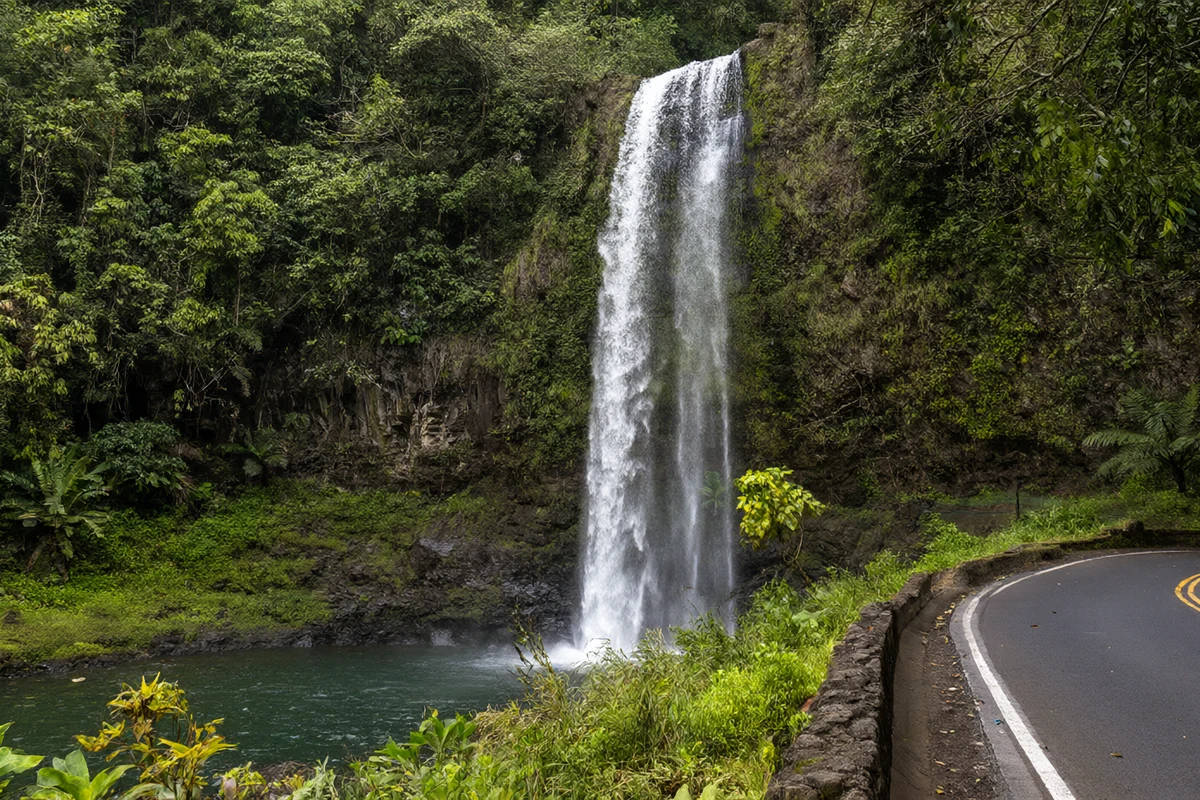
The windward slopes are wet, and rain feeds a string of falls that drop beside the road. Some are visible from a layby, while others need a short walk through the forest. After heavy rain they run thick and brown; in dry spells they thin to a trickle.
Several botanical gardens sit along the route, offering a gentle walk among tropical plants, heliconia and towering palms. They make excellent breaks from the driving and are especially good for families who need to stretch their legs.
Roadside stands sell banana bread, coconuts, shave ice and fruit picked that morning. Supporting these small local businesses is one of the pleasures of the drive, and the food is often better than anything in a resort restaurant.
Beaches, lookouts and the town of Hana
The coast offers black sand beaches, lava rock coves and a famous stretch where grey sand meets a rugged shoreline. Swimming here demands care, as the surf and currents can be strong, but the scenery alone justifies the stops.
The town of Hana itself is small and quiet, with a laid back character that feels far from the resorts. A short drive beyond it leads to a pool and a beach that many consider the highlight of the whole journey.
Lookouts along the way frame dramatic sea cliffs and valleys, and a few of them are worth a deliberate pause. Pull over only in marked areas, and never stop on a bridge or a blind curve.
| Stop type | Best for | Time | Note |
|---|---|---|---|
| Waterfall | Photography | 20 to 40 minutes | Strongest after rain |
| Botanical garden | Families, gentle walks | 1 hour | Good break from driving |
| Black sand beach | Scenery, short stop | 30 minutes | Strong surf, take care |
| Roadside stand | Food and fruit | 15 minutes | Support local sellers |
| Hana town | Rest, supplies | 1 to 2 hours | Limited services beyond |
Driving safely
The road demands full attention. It is narrow, often single lane on bridges, and local drivers know it well and will want to get past. Use the turnouts to let faster traffic by, and keep your speed low around every blind bend.
Motion sickness is common on this route, so those prone to it should sit in the front and take breaks. Driving back in the dark is tiring and risky on these curves, so plan to finish the return before dusk if you possibly can.
Be patient with other visitors too. Everyone is stopping for photographs, and a little calm at a busy turnout keeps the whole day pleasant for everybody on the road.
Respecting the land and the community
Many of the stops along the route sit on or near private land, and some sites are culturally important to local families. Park only where it is clearly allowed, and never trespass to reach a waterfall or a viewpoint.
Leave no trace. Take your rubbish with you, keep out of closed areas, and treat the residents and their property with the same courtesy you would expect at home. The road is a working community route, not only a tourist attraction.
When to go and how long to allow
An early start is essential. Leaving before dawn lets you reach the best stops before the tour vans and gives you time and daylight for the return journey.
Allow a full day, and do not overload the itinerary. Choose a handful of stops that matter to you, accept that you cannot see everything, and enjoy the drive itself as much as the destinations along it.
- Leave early and aim to finish the return drive before dark.
- Start with a full tank and bring food and water for the whole day.
- Use turnouts to let faster local traffic pass safely.
- Park only where it is clearly allowed and never on a bridge or curve.
- Choose a few stops that matter rather than trying to see everything.
- Respect private land, cultural sites and the local community.
The road to Hana rewards patience above speed. Plan an early start, choose your stops with care, and the drive itself, with its rainforest, falls and quiet coast, will become the highlight of your time on Maui.
Read next
Best beaches and swimming spots on Oahu
Where to swim, snorkel and watch the sunset, from Waikiki to the windward and north shores.
A guide to Hawaii Volcanoes National Park
Kilauea, craters, lava tubes and how to plan a safe visit to the Big Island park.
Snorkelling and diving in Hawaii
Reefs, turtles and volcanic seascapes, plus how to choose a safe spot and gear.